Texas redistricting case turns ugly as judge dissents 15 times
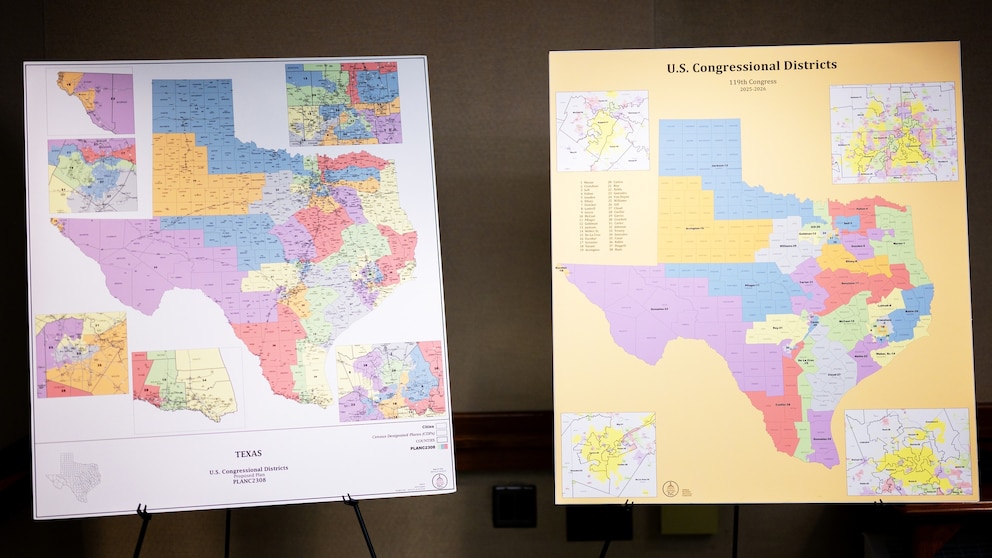

When a federal court Tuesday dropped its bombshell 160-page decision invalidating Texas Republicans' mid-decade redistricting effort as blatant racial gerrymandering, there was one big missing piece of the puzzle: a dissent.
It turns out Trump-appointed Judge Jeffrey V. Brown, who authored the majority opinion, didn't allow dissenting Judge Jerry E. Smith, a Reagan appointee, much time to respond in writing, releasing the ruling before the counterpoint was finished, as is customary.
"Fasten your seatbelts. It's going to be a bumpy night!" Smith wrote bluntly in a statement released late Wednesday.
What followed was a remarkable statement of sharp personal criticism and vigorous legal argument, notable both for its tone and rationale, which could potentially influence members of the Supreme Court who will ultimately decide the fate of Texas' 2025 map.
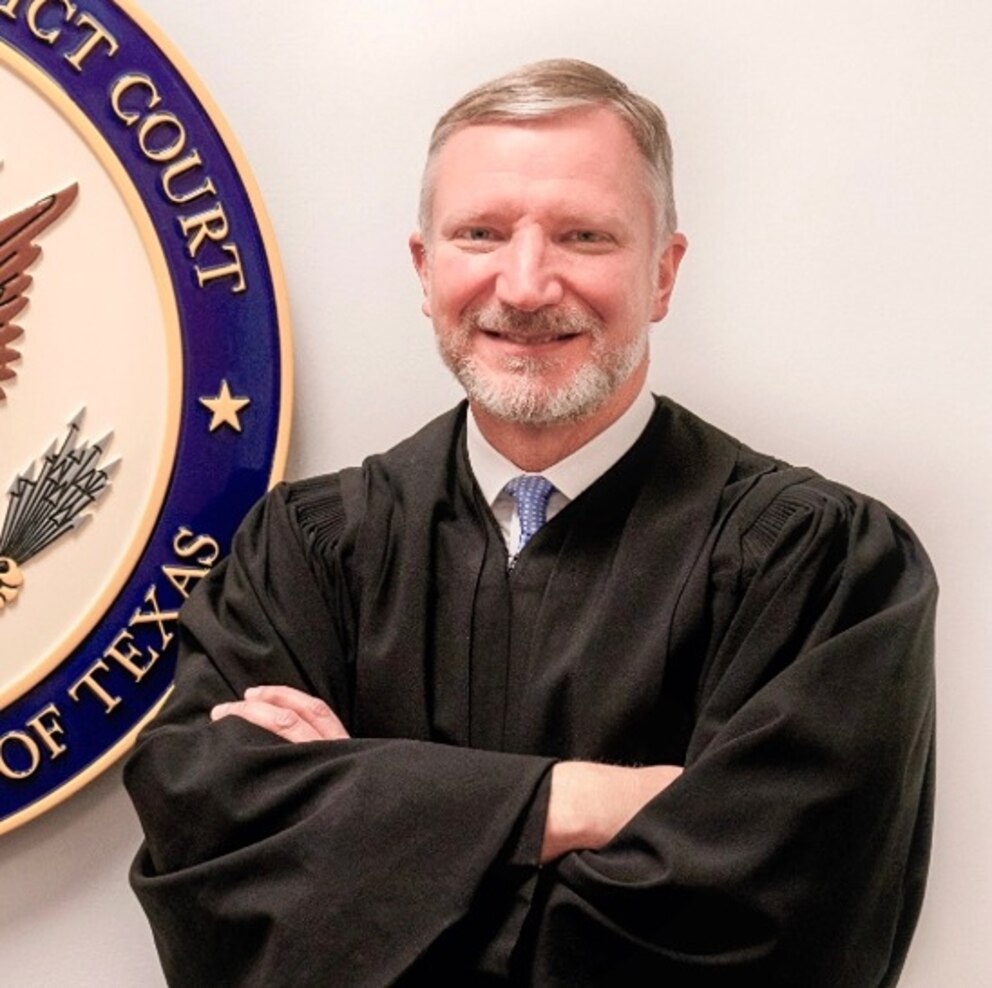
Smith, a member of the federal bench for more than 37 years, repeated the phrase "I dissent" 15 times over 100 pages.
He accused Brown of "pernicious judicial misbehavior" -- the "most outrageous conduct by a judge that I have ever encountered" -- for not waiting to consider his dissent before going public with the ruling.
Brown's opinion, joined by Judge David Guaderrama, an Obama appointee, and released Tuesday afternoon, blocked Texas from deploying a new congressional map for the 2026 midterm elections, concluding "substantial evidence show that Texas racially gerrymandered the map."
The decision roiled a nationwide redistricting arms race initiated by President Donald Trump as part of a bid to retain Republican control of the narrowly divided House of Representatives. Texas Gov. Greg Abbott has said he will appeal.
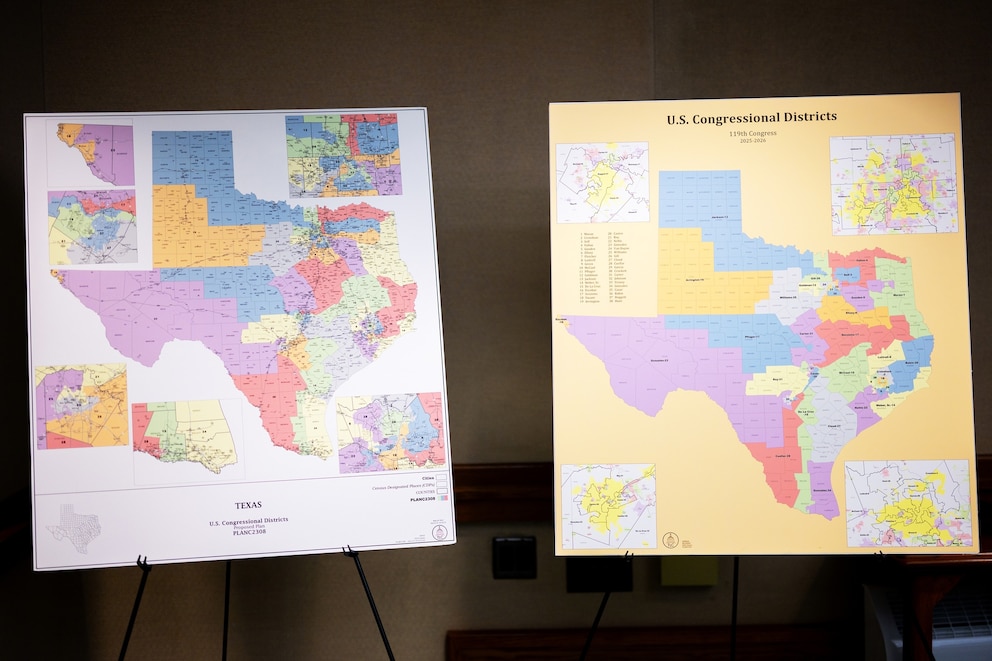
Brown concluded that the entire redrawing effort -- which typically only happens once every decade -- was undertaken primarily in response to an explicit Trump Justice Department request "based entirely on the racial makeup" of four Democrat-held districts.
Federal law and Supreme Court precedent prohibit race as a predominant factor when drawing maps that either intentionally disenfranchise minority voters or otherwise effectively dilute their influence.
The judge further reasoned that his opinion had to be released expeditiously -- even before the dissent was finished -- because of the urgent need for state officials to have certainty about the outcome in order to prepare for election season.
Smith accused Brown of doing the bidding of liberal billionaire activist George Soros and Democratic California Gov. Gavin Newsom. "If there were a Nobel Prize for fiction, Judge Brown's opinion would be a prime candidate," Smith wrote.
"If this were a law school exam, the opinion would deserve an 'F,'" he said later in an unusually harsh rebuke.
Smith defended Texas' mid-decade redrawn map as a purely partisan and entirely legal exercise.
"The most obvious reason for mid-cycle redistricting, of course, is partisan gain," not deliberate racial animus, Smith wrote. He noted the Supreme Court has said courts must stay away from interfering with the political exercise of map-drawing.
Smith concluded his dissent with a remarkable bullet-point list of what he calls "misleading, deceptive, or false statements" that Brown made in the opinion -- a highly unusual move in the buttoned-up world of judicial decorum.
Texas has not yet formally filed its appeal with the Supreme Court but is expected to do so quickly and will likely draw upon Smith's dissent.