How Texas redistricting is stirring up potential election chaos

The ongoing legal fight over Texas' congressional districts has created new challenges for candidates trying to run for office next year: which maps -- and districts -- should they be using?
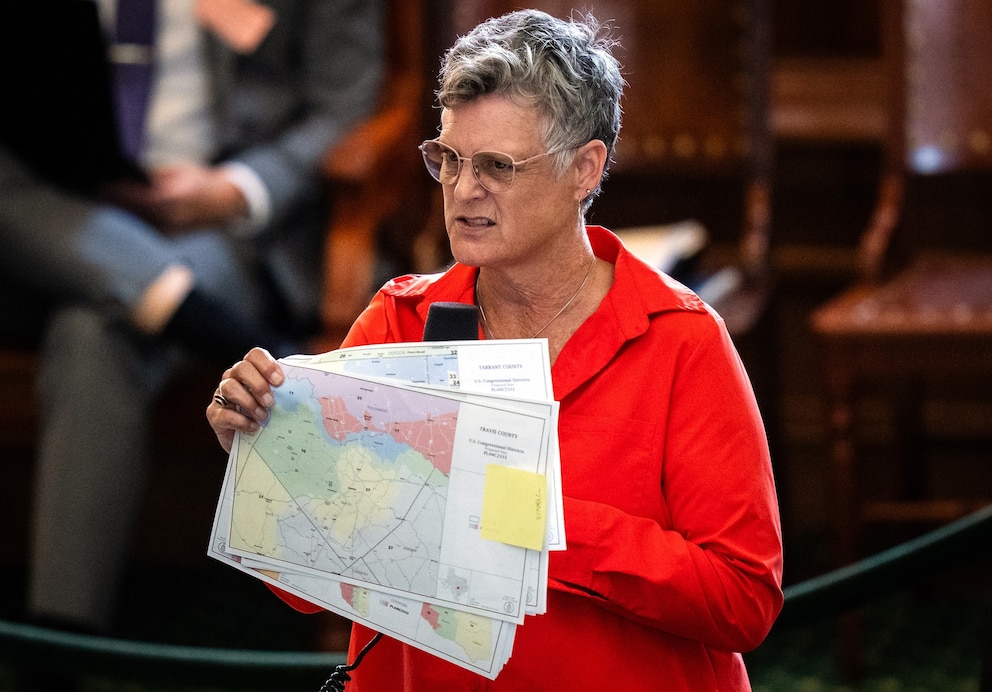
Texas State Sen. Sarah Eckhardt, for instance, told ABC News she's still trying to figure out the firm boundaries of the district she hopes to win.
"It would be preferable to know what the boundaries of the district were," said Eckhard, a Democrat who feels that "the pressure in Texas is particularly intense."
Eckhardt is running for retiring GOP Rep. Michael McCaul's seat in Texas' Austin-area 10th district, an area drawn only slightly less red in the new map, and has held off on officially submitting paperwork due to the map whiplash.
Candidates are awaiting a U.S. Supreme Court decision about what maps will be in play for 2026 -- one drawn over the summer by Texas Republicans after direction from President Donald Trump, or the other, drawn by Texas Republicans during the normal redistricting rounds in 2021.
But prospective candidates are running out of time, with less than a week until the state's filing deadline: Dec. 8.
This comes as the Texas delegation is seeing a large amount of turnover -- six of the 40 have announced they do not plan to seek re-election.
Some of that pressure Eckhardt mentioned can be seen within the U.S. congressional delegation, who, via the GOP-favored maps, were drawn into more competitive versions of their home districts.
A few, drawn out of their districts altogether, face the prospect of running against a fellow Democratic colleague in a new boundary, or potentially retire. That included Democrat Rep. Greg Casar, whose home district, TX-35, was rejiggered from a comfortably blue district to a red leaning one and moved away from Austin.
If the maps changed, Casar planned to run in the Austin-centered TX-37 -- where a fellow Democrat, Rep. Lloyd Doggett, currently serves. Doggett announced he would not run for re-election unless the old maps returned.
That seemed possible last month after a federal appeals court said "substantial evidence" indicated the state's new map was an illegal racial gerrymander. It cited a DOJ memo that explicitly referenced a race-predominant rationale, the majority opinion written by Trump-appointed District Court Judge Jeffrey Brown.
"To borrow from Mark Twain, the reports of my death, politically, are greatly exaggerated. This federal court order means that I have a renewed opportunity to continue serving the only town I have ever called home, as democracy faces greater challenges than at any point in my lifetime," Doggett said in a statement after federal courts reinstated the old boundaries.
Casar then vowed to run in his old district, if the lower court's opinion stood, freeing Doggett from an incumbent-on-incumbent primary.
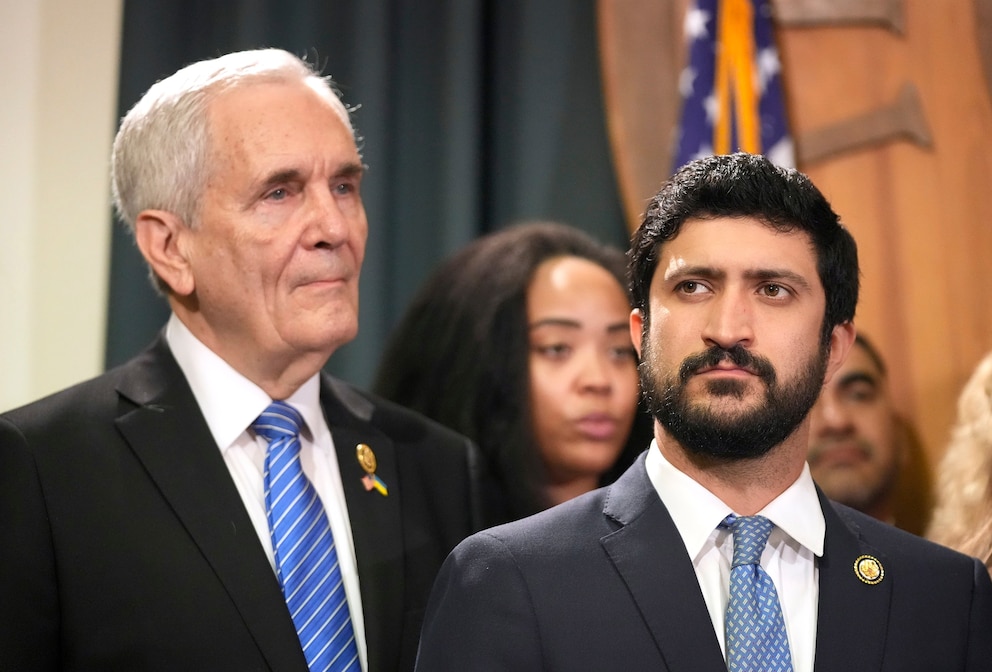
But Doggett's good fortune was short-lived, and it's unclear if he'll once again decide to bow out, as members hold their breath for further edicts from the Supreme Court. A spokesperson for his office declined to comment.
Texas' initial redistricting saga launched a national tete-a-tete, inspiring other states to redraw their own maps. California's efforts, galvanized by Democratic Gov. Gavin Newsom, passed with flying colors last November.
This is reportedly pushing GOP Rep. Darrel Issa, whose district was made less red, to consider fleeing the Golden State and running for a House seat in Texas. Issa would potentially run for the seat held by Democratic Rep. Julie Johnson, according to D.C.-centric news outlet Punchbowl.
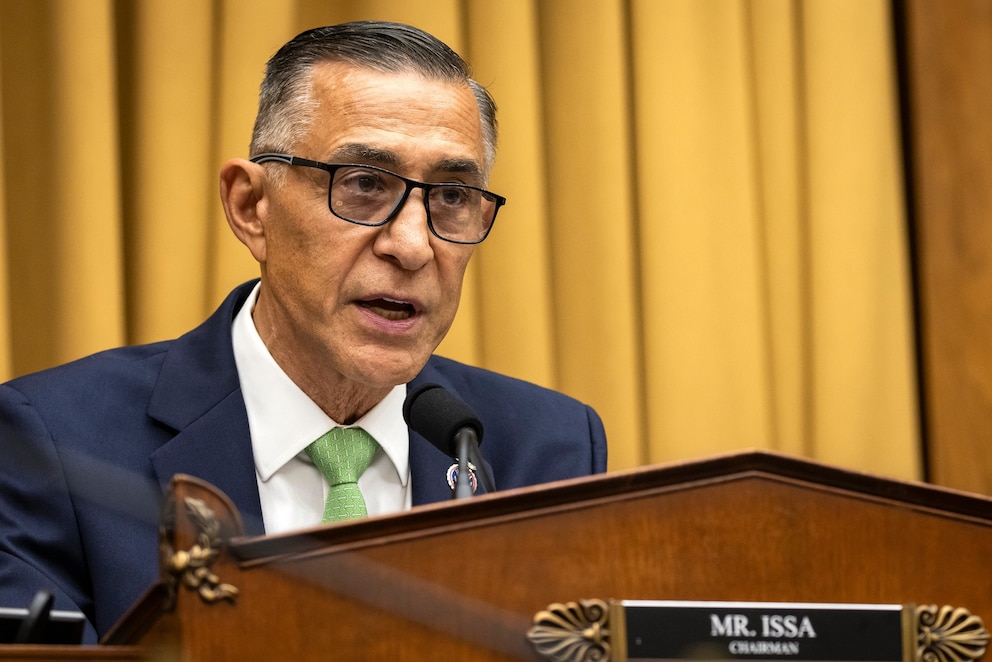
Issa's office declined to confirm details or intentions of moving, but recommended that people "stay tuned."
Eckhardt, one of two Texas legislature members running for Congress (the other, state Rep. James Talarico, is running for U.S. Senate), said the lack of clarity has confused every step of the process for officials like county party bosses and clerks. However, she noted that she finds the more lasting impact to be with voters, whom she argued are being led into "intentional chaos" and becoming frustrated, and ultimately, distrustful of elections.
"There is a tremendous amount of confusion about who is in which district," Eckhardt said. "This is difficult for candidates, but where it's really, really difficult -- and this, I believe, is the actual intention -- it's really difficult for voters."
Democrats say the blame lies with Republicans for introducing rare mid-decade redistricting this summer as a sort of political broadside. However, Joshua Blank, research director of the Texas Politics Project at the University of Texas Austin, suggested that Democrats' quorum-break over the summer, which delayed movement of the bill proposing new congressional maps, is a partial factor for the current uncertainty.
"While in no way stopping passage of the maps, the delay pushed litigation, and implementation, much closer to Monday's candidate filing deadline," Blank told ABC News.
He noted that the filing deadline and primary elections could be delayed if necessary.
"I think it's a little early for most voters to be paying much attention to these potentially shifting lines, and the attention of legislators, and potential challengers, indicates that they'll likely figure out what's in their best interest -- regardless of what map ultimately gets used," he said.