• Video
  • Shop
  • Culture
  • Family
  • Wellness
  • Food
  • Living
  • Style
  • Travel
  • News
  • Book Club
  • Newsletter
  • Privacy Policy
  • Your US State Privacy Rights
  • Children's Online Privacy Policy
  • Interest-Based Ads
  • Terms of Use
  • Do Not Sell My Info
  • Contact Us
  • © 2026 ABC News
  • News

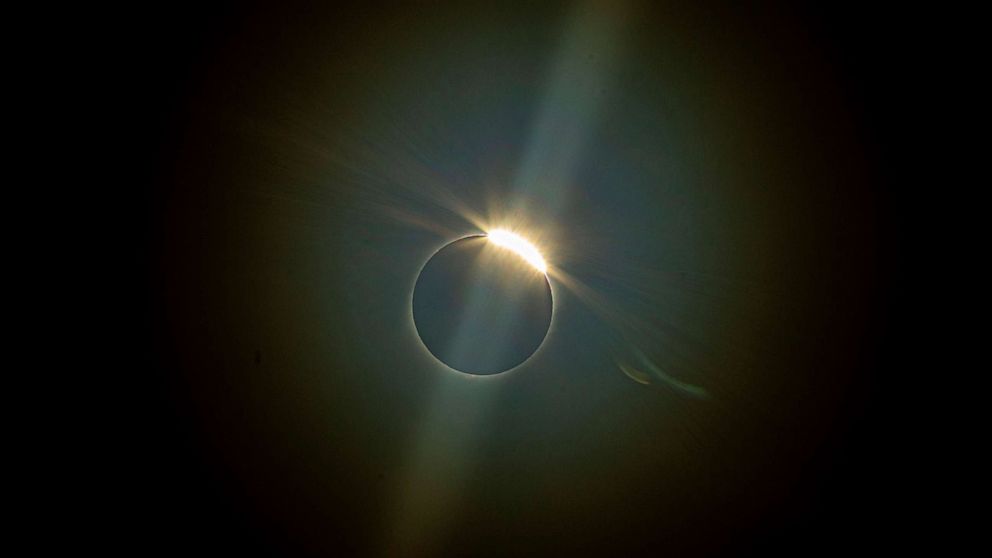
A total solar eclipse seen over South America
2:53
WABC
Total solar eclipse over parts of Chile, Argentina
Esteban Felix/AP
ByLUCIE MCCORMICK
July 02, 2019, 6:07 PM

Coronel Baigorria, Argentina -- Nearly two years after the "Great American Eclipse" of 2017, crowds were wowed by another total solar eclipse as it appeared over Argentina on Tuesday.
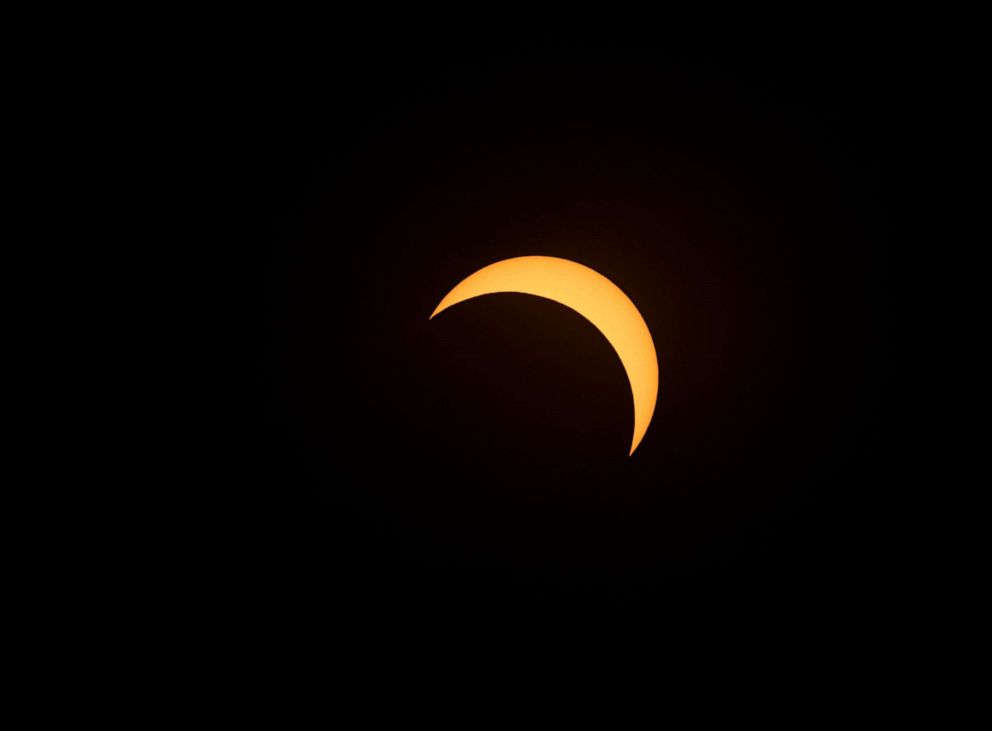
Solar eclipse as seen from the La Silla European Southern Observatory (ESO) in La Higuera, Coquimbo Region, Chile, July 2, 2019.
Martin Bernetti/AFP/Getty Images

Lined up along a field in Espinillo, a parish in northern Argentina, dozens of spectators, adorned in solar glasses and sipping on maté tea, stood with telescopes.

Jessica Banks, a Waldorf kindergarten teacher from Portland, Oregon, was among them, and said she had also observed the North American eclipse in 2017.

“I feel like once you experience that kind of feeling, you want to experience it as many times as you can,” she said.

Related Articles

(MORE: A total solar eclipse is passing over South America: What to know)

The eclipse began in the late afternoon, local time, and went on for more than two minutes.
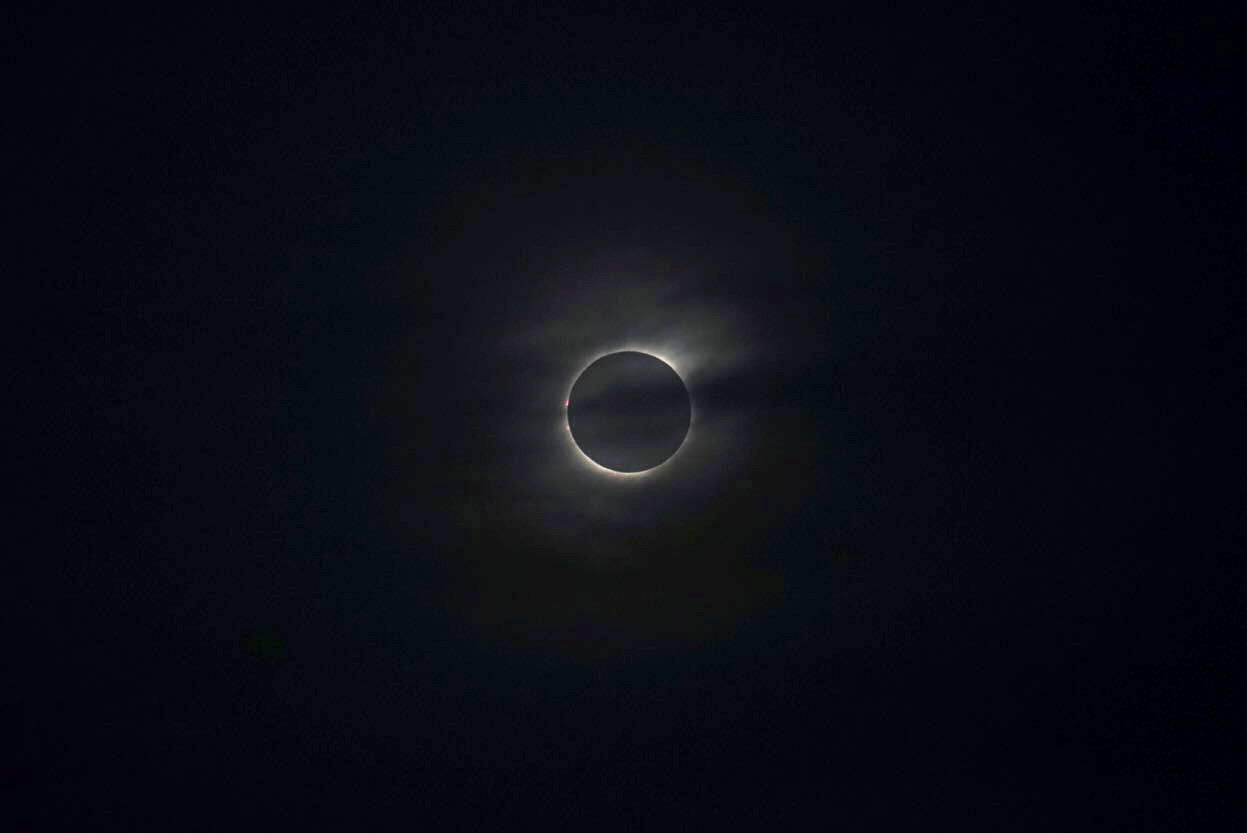
Behind a thin sheet of clouds, the eclipse reaches totality, July 2, 2019, in Cordoba, Argentina.
Lucie McCormick/ABC News

While the area of greatest visibility, or longest duration, occurred over the South Pacific, the total eclipse was also visible from various places in Chile and Argentina.
Related Articles

(MORE: Video: Catch the only total lunar eclipse this year)

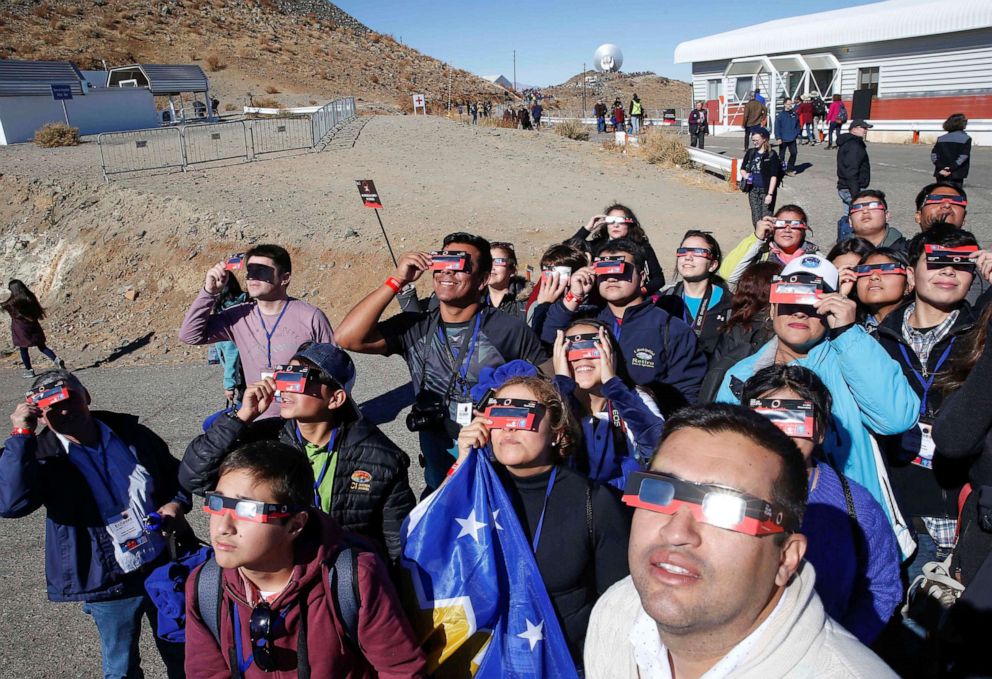
People test their special solar glasses before the solar eclipse in La Silla European Southern Observatory at Coquimbo, Chile, July 2, 2019.
Rodrigo Garrido/Reuters

During a total eclipse, the moon completely obscures the sun, and a ring appears in the sky. Total solar eclipses only occur every 12 to 18 months with varying visibility.


Up Next in News—

Rip current risk at onset of Memorial Day Weekend: How to stay safe

May 22, 2026

What to know about 'Lulu's Law' requiring emergency shark attack notifications

May 21, 2026

Father, daughter speak after Lyft driver is accused of using AI-generated image for damage claim

May 20, 2026

Police officer speaks out after rescuing choking toddler in incident caught on camera

May 20, 2026

Shop GMA Favorites

ABC will receive a commission for purchases made through these links.

Sponsored Content by Taboola

The latest lifestyle and entertainment news and inspiration for how to live your best life - all from Good Morning America.
  • Contests
  • Terms of Use
  • Privacy Policy
  • Do Not Sell My Info
  • Children’s Online Privacy Policy
  • Advertise with us
  • Your US State Privacy Rights
  • Interest-Based Ads
  • About Nielsen Measurement
  • Press
  • Feedback
  • Shop FAQs
  • ABC News
  • ABC
  • All Videos
  • All Topics
  • Sitemap

© 2026 ABC News
  • Privacy Policy— 
  • Your US State Privacy Rights— 
  • Children's Online Privacy Policy— 
  • Interest-Based Ads— 
  • Terms of Use— 
  • Do Not Sell My Info— 
  • Contact Us— 

© 2026 ABC News