Trump administration cuts refugee admissions to record low, gives priority to white South Africans
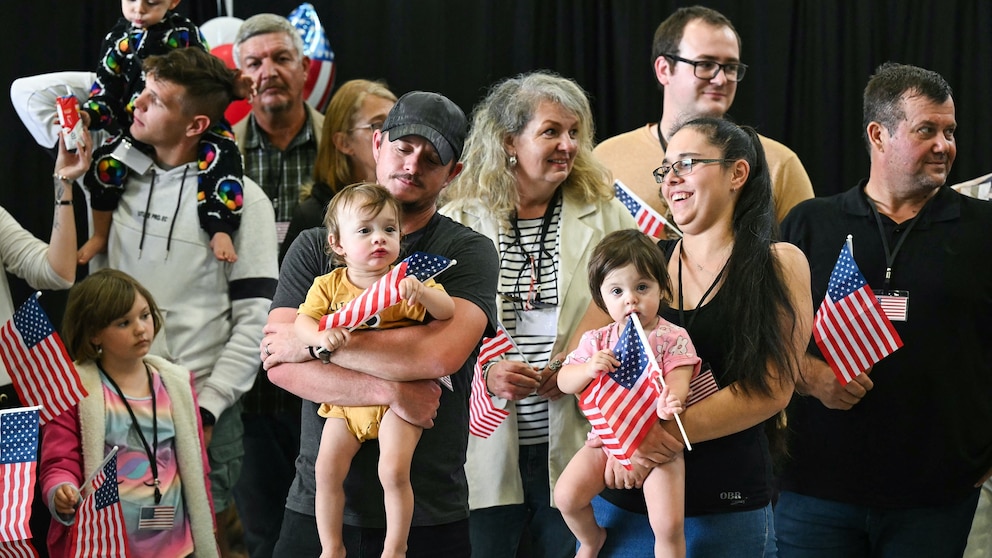
The Trump administration is slashing refugee admissions down to 7,500 -- a record low level -- in the upcoming year, reserving the bulk of the slots for white Afrikaners from South Africa and other victims of what it says is "illegal or unjust discrimination."
The new ceiling of 7,500 refugees is a drastic decrease from the cap of 125,000 set by the Biden administration last year.
The new limit halts thousands of people from around the world from entering the U.S. as a means to escape war, famine, poverty, and violence, and refocuses the refugee program to support mostly white South Africans.
The Trump administration published its presidential memo in the Federal Register on Thursday and said the move to slash refugee admittance for fiscal year 2026 is "justified by humanitarian concerns or is otherwise in the national interest."
"The admissions numbers shall primarily be allocated among Afrikaners from South Africa pursuant to Executive Order 14204, and other victims of illegal or unjust discrimination in their respective homelands," the memo states.
On his first day in office this year, President Donald Trump signed an executive order effectively killing the refugee resettlement program, leaving thousands of refugees who had already undergone rigorous security vetting by the U.S. government stranded abroad. Many had sold their belongings, vacated housing, and quit jobs in anticipation of travel just days or weeks away that was abruptly halted.
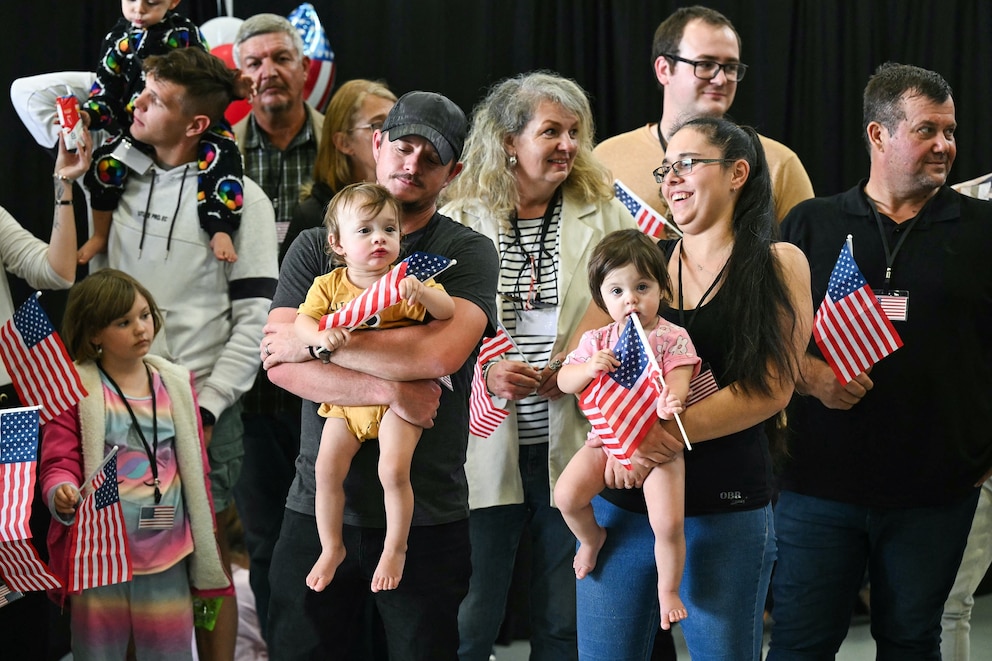
In February, Trump signed an executive order contending that the South African government enacted a law permitting the "seizure of agricultural property from ethnic minority Afrikaners without compensation," demonstrating a "shocking disregard for the rights of its citizens."
The order stated that the U.S. will not provide aid or assistance to the nation, and that the U.S. will "promote the resettlement of Afrikaner refugees escaping government-sponsored race-based discrimination, including racially discriminatory property confiscation."
Elon Musk, a South African native, had been vocal about the plight of South African landowners when serving as a top adviser to the president earlier this year, amplifying claims of "white genocide." The South African government, including President Cyril Ramaphosa, vehemently denied any persecution, including at a contentious Oval Office meeting with Trump in May.
A flight carrying 59 refugees from South Africa landed in the U.S. in May, with the Republican administration acknowledging that the expedited process for white South Africans to seek refuge in the United States had to do with "racial persecution."
Global Refuge, one of the nation’s largest refugee resettlement organizations, expressed grave concern over the new limit, and said the cuts are a "profound break from decades of bipartisan policy guided by humanitarian need, not ideology or identity."
"This decision doesn’t just lower the refugee admissions ceiling. It lowers our moral standing," said Krish O’Mara Vignarajah, president and C.E.O. of Global Refuge. "For more than four decades, the U.S. refugee program has been a lifeline for families fleeing war, persecution, and repression. At a time of crisis in countries ranging from Afghanistan to Venezuela to Sudan and beyond, concentrating the vast majority of admissions on one group undermines the program’s purpose as well as its credibility."
"We’re hearing from Afghan women’s rights activists, Venezuelan political dissidents, Congolese families, persecuted Christians, and other religious minorities, all of whom now fear there is no room left for them in a system they trusted," Vignarajah added. "What refugee families need most is a pathway to protection that is consistent, principled, and grounded in the promise that every life matters equally, not just the few who fit a favored profile."