Trump administration moves to narrow the scope of the Endangered Species Act: What that means

A proposal from the Trump administration to revise the Endangered Species Act could have critical impacts on the most vulnerable animals, plants and habitats throughout the U.S., according to environmental advocates.
Earlier this week, the U.S. Department of the Interior outlined several rules within the ESA that it plans to roll back.
Included in the proposed revisions are changes to the listing of protected species and critical habitat (50 CFR part 424), which would be based on the "best scientific and commercial data available," according to the Interior Department.
This would make economics a factor in what was previously science-based decision-making, Susan Holmes, executive director of the Endangered Species Coalition, told ABC News.
"For example, if the Trump administration determined that the economic harm to a golf course would be greater than protections for the Florida panther, then they could make that determination," she said. "It would essentially potentially put money over the science."
The Interior Department has also proposed changes to the 4(d) provision, which casts a blanket protection over threatened species, which presumptively prohibits killing or harming them unless federal agencies outline species-specific alternatives. The revision would require species-specific rules tailored to each threatened species instead.
"Overturning the 4(d) rule would remove protections for threatened species, make it more difficult to list species in need, reduce habitat conservation and open loopholes to undermine protections for imperiled species," animal welfare group Humane World for Animals said.
The conservation group Defenders of Wildlife said it would also deprive newly listed species from "automatically receiving protections from killing, trapping, and other forms of prohibited 'take.'"
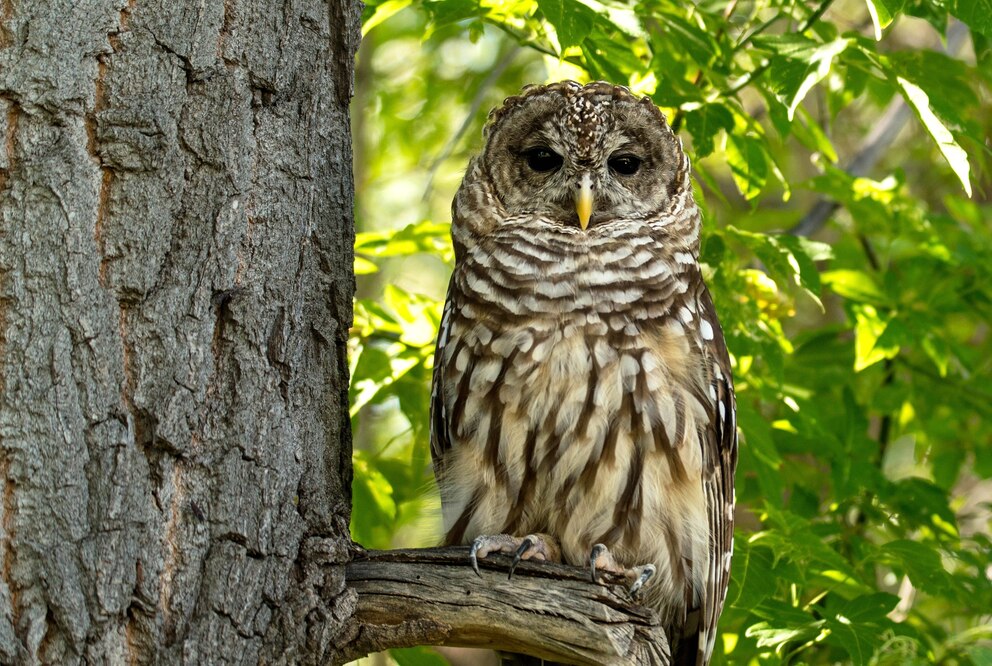
This could impact species now proposed for listing, such as the Florida manatee, California spotted owl, Greater sage grouse and Monarch butterfly.
"The rule provides an important safety net for vulnerable wildlife, giving species time to recover their populations before they become critically endangered," Kitty Block, president and CEO of Humane World for Animals, said in a statement.
The Interior Department said the change "aligns service policy with the National Marine Fisheries Service's longstanding species-specific approach."
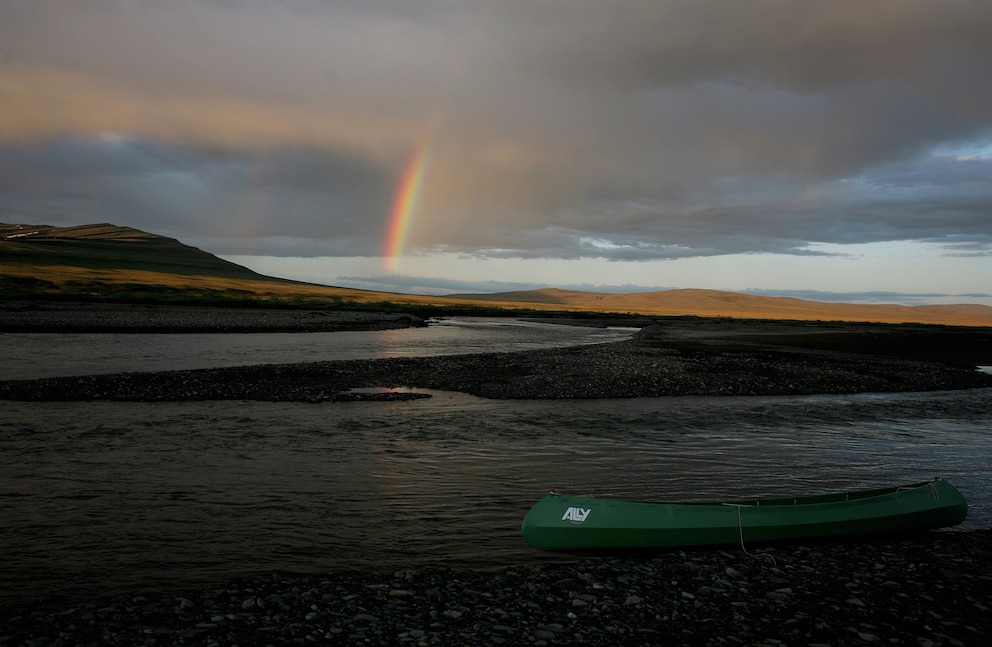
The Trump administration is also proposing to restrict the amount of habitats that are protected under the ESA (50 CFR part 17). The rule would narrow the definition of "critical habitat" to exclude currently unoccupied but historic habitat.
According to the Interior Department, the revised framework provides "transparency and predictability for landowners and project proponents."
"Habitat is the number one reason why species go extinct," Holmes -- from the Endangered Species Coalition -- said. "We know, to protect a species, we have to protect the habitat where they live, where they breed, they feed."
The move reaffirms the federal government's commitment to "science-based conservation that works hand in hand with America's energy, agricultural and infrastructure priorities," Fish and Wildlife Service Director Brian Nesvik said in a statement.
"By restoring clarity and predictability, we are giving the regulated community confidence while keeping our focus on recovery outcomes, not paperwork," Nesvik said.
Changes on a rule on interagency cooperation (50 CFR part 402) would make it easier for federal agencies to greenlight projects such as mining, drilling, logging and overdevelopment without fully assessing the impact on threatened and endangered species or their habitats, according to Defenders of Wildlife.
The Endangered Species Coalition's Holmes told ABC News that "there would be less compliance, less consultation between the federal agencies."
The proposal seeks to return to the 2019 consultation framework by reinstating definitions of "effects of the action" and "environmental baseline," according to the Interior Department.
Since the Endangered Species Act was passed in 1973, it has saved 99% of listed species from extinction since its inception, a study published in 2019 found. It has since become one of the nation's bedrock environmental laws.

Wildlife and environmental advocates condemned the proposed revisions.
Revisions to these rules would "drastically weaken protection for endangered species," Holmes said.
"These devastating proposals disregard proven science and risk reversing decades of bipartisan progress to protect our shared national heritage and the wildlife that make America so special," Andrew Bowman, president and CEO at Defenders of Wildlife, said in a statement.
The Humane World for Animals described the move as "yet another attack on wildlife" by the Trump administration.
"The proposal to repeal this rule is completely reckless," Block said. "Even if they are listed as 'threatened' under the ESA, species could become extinct without its protections."
Environment advocates also accused the Trump administration of failing to "read the room" in terms of how Americans feel about protecting nature.
Polling data published in June 2025 found that four out of five Americans support the ESA, according to the International Fund for Animal Welfare.
The polling also found that 81% of Americans say they are concerned about the environment, including the welfare of animals and including nature, and that 70% factor the value of nature into government decision-making.
In addition, 84% of those polled believe the U.S. should focus on preventing endangered species from becoming extinct, and 78% support the goals of the ESA.
"Trump's attacks on the Endangered Species Act seriously misread the room. Most people are not going to allow the sacrifice of our natural world to a bunch of billionaires and corporate interests," Kristen Boyles, an attorney with environmental law group Earthjustice, said in a statement.

The attempt to alter the ESA follows other attacks against wildlife by the Trump administration this year, including proposals to rescind the Roadless Rule and Public Lands Rule, according to the environmental organization Sierra Club.
If the proposed rules were to come into effect, they would benefit industry and developers, the advocates said.
"The Trump administration is stopping at nothing in its quest to put corporate polluters over people, wildlife and the environment," Sierra Club Executive Director Loren Blackford said in a statement. "After failing in their latest attempt to sell off our public lands, they now want to enable the wholesale destruction of wildlife habitat for a short-term boost in polluters' bottom lines."
In a statement to ABC News, the White House said the proposed rules will streamline protections under the ESA.
"President Trump is cutting red tape across the administration -- including at the Department of Interior, where he is making it easier to delist recovered species and focus protections where they are truly needed," White House Deputy Press Secretary Anna Kelly told ABC News in an emailed statement. "Joe Biden expanded bureaucracy and sowed confusion, but President Trump and Secretary Burgum are returning power to Americans by eliminating regulatory barriers and respecting private property while maintaining core conservation goals."
A 30-day period of public comment is in place following the Interior Department's proposal.