Trump announces major changes for Bears Ears, Grand Staircase monuments
— -- President Donald Trump announced today that two national monuments in Utah will be drastically reduced in size, despite the objections of Native American groups who want the land to remain protected.
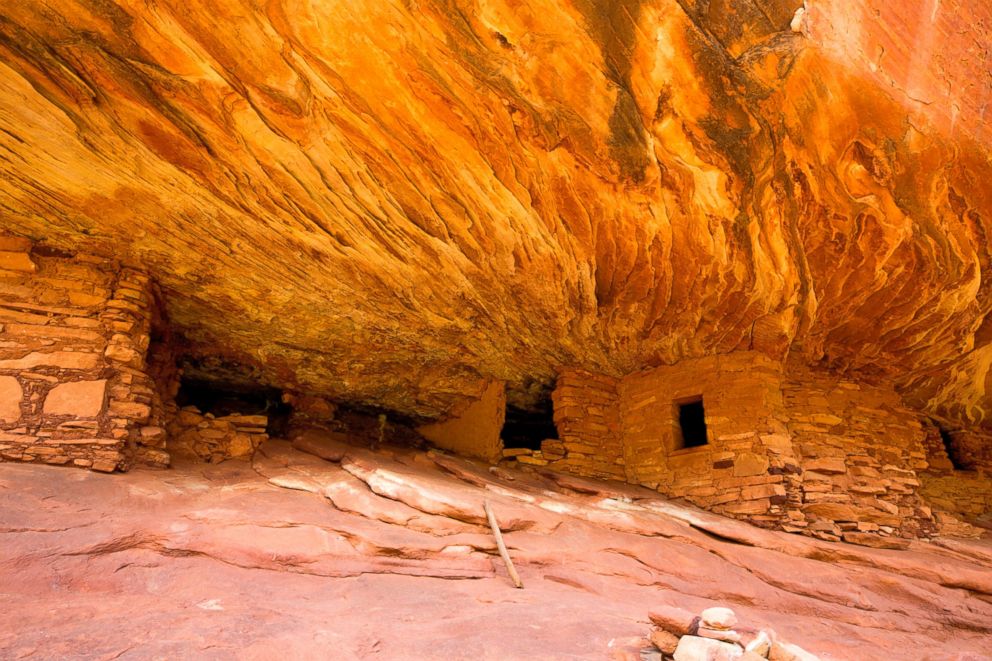
The Bears Ears National Monument will be reduced by more than 80 percent, to 230,000 acres from the current 1.3 million acres. The Grand Staircase-Escalante National Monument will also be reduced to about 1 million acres from 1.9 million acres.
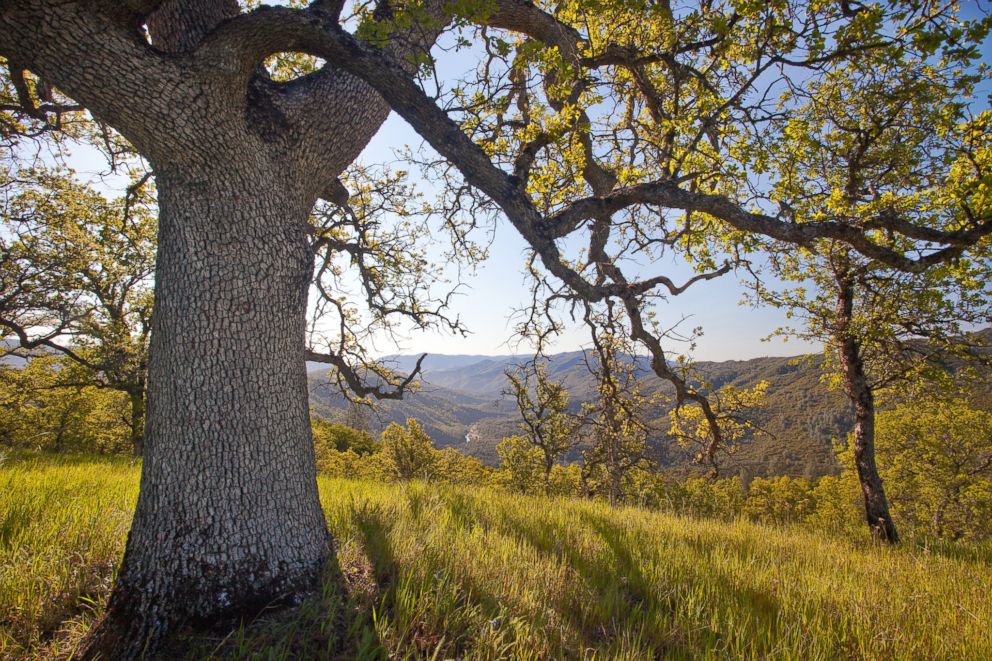
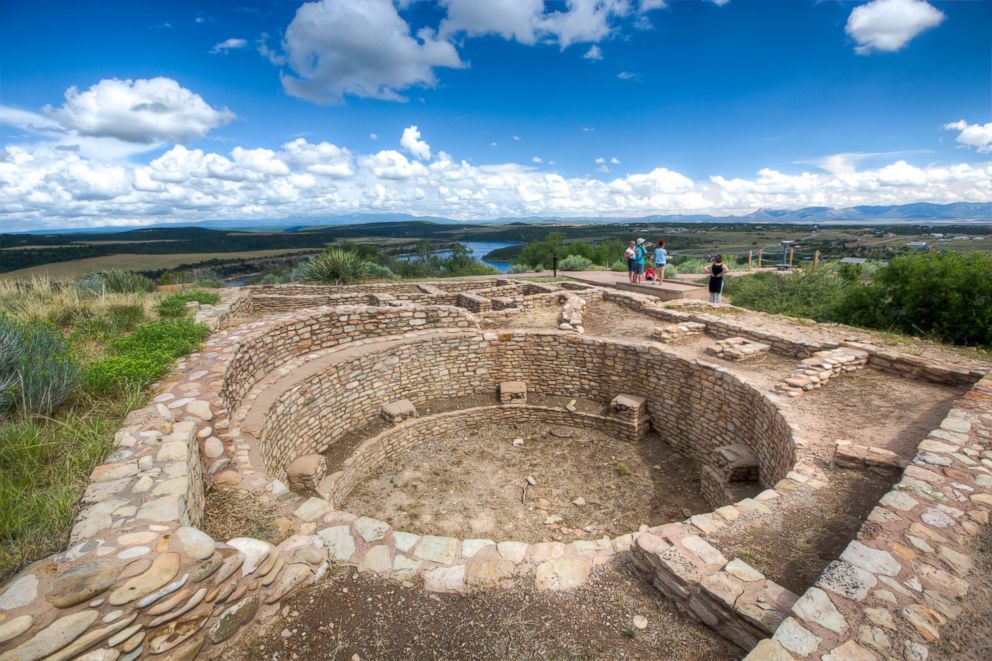
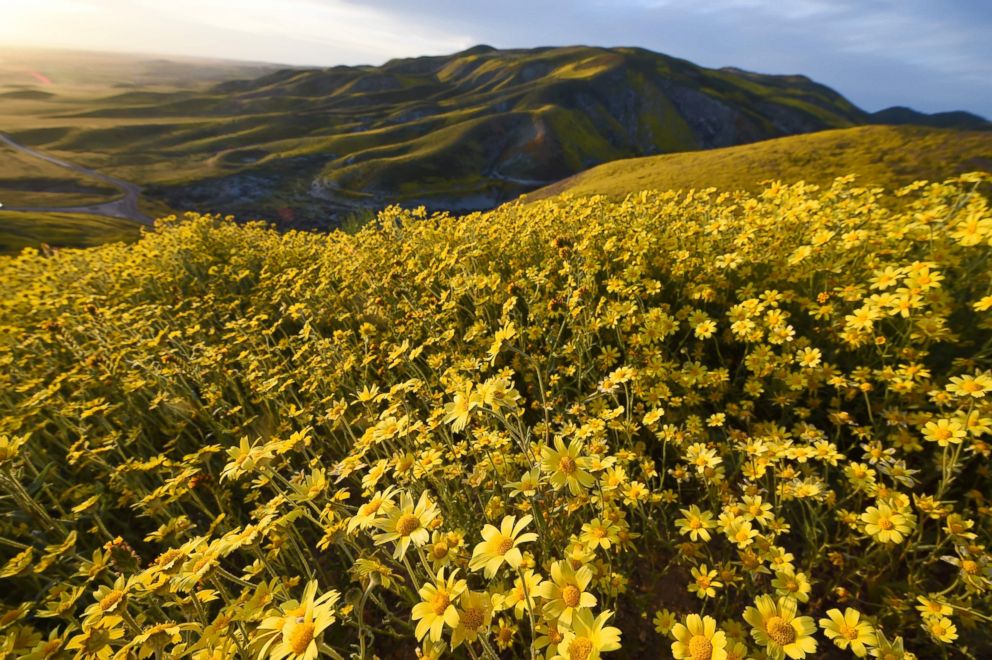
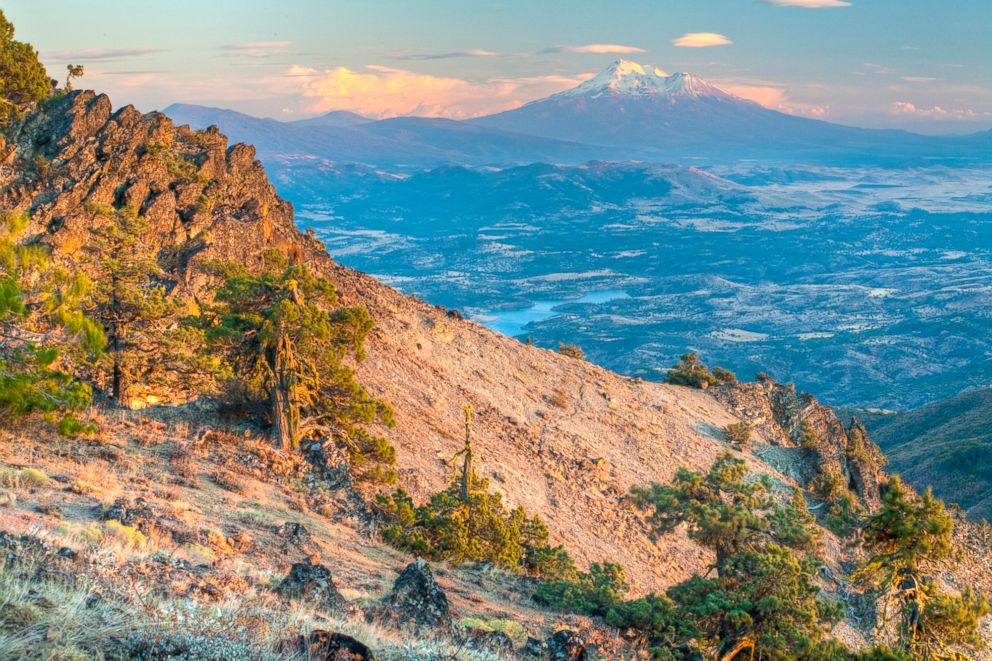
27 national monuments that went under review in 2017
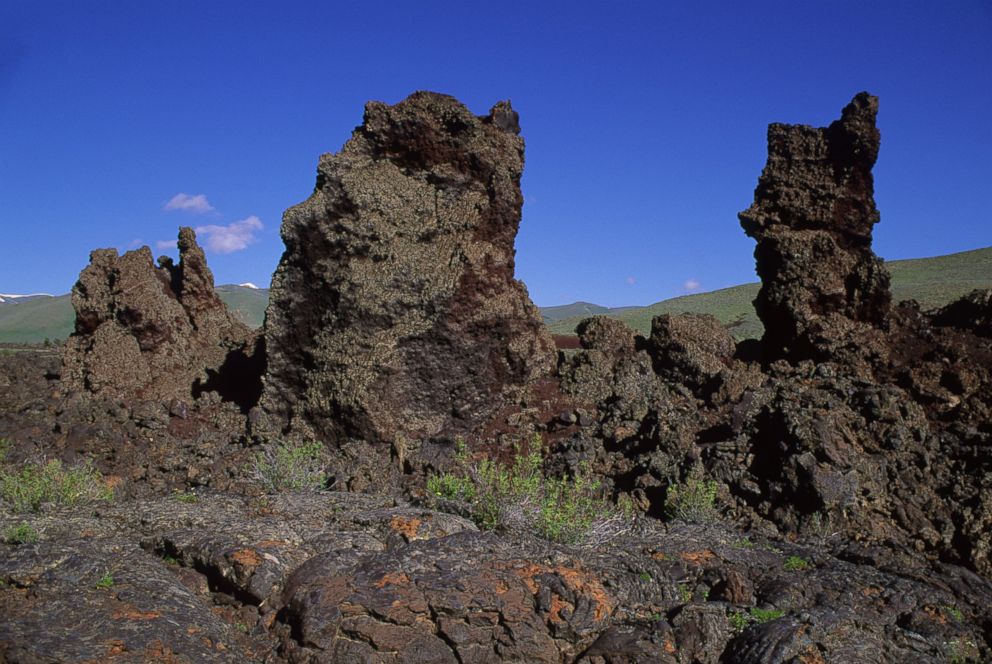
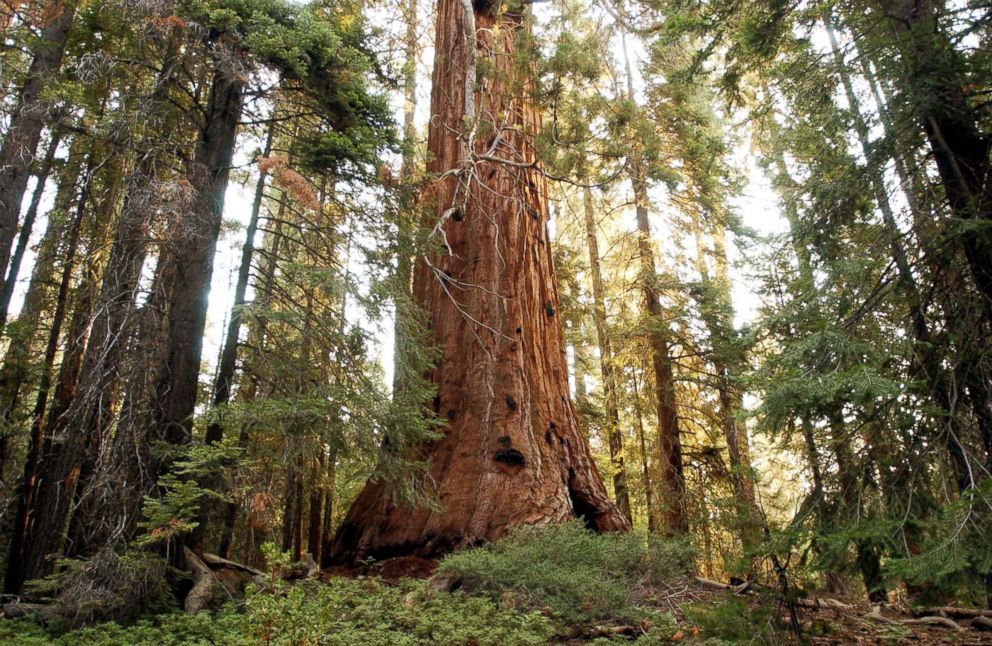
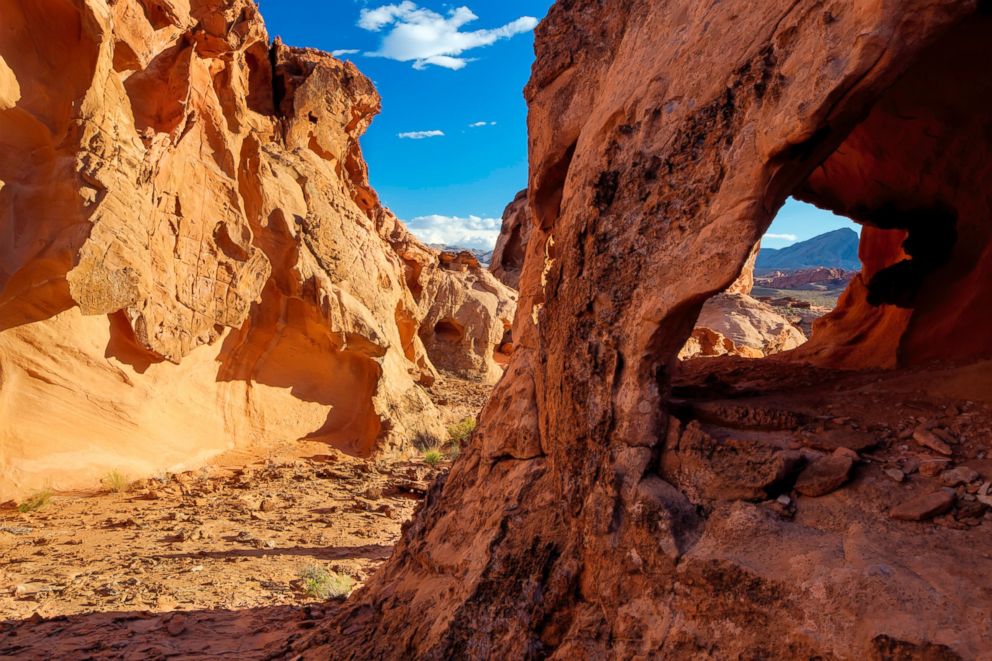
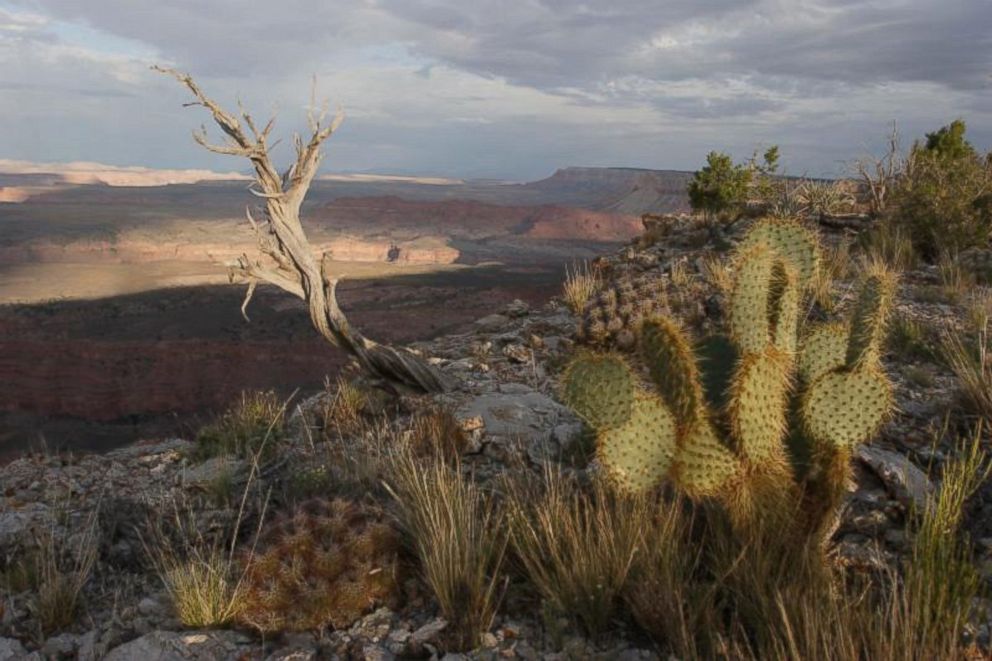
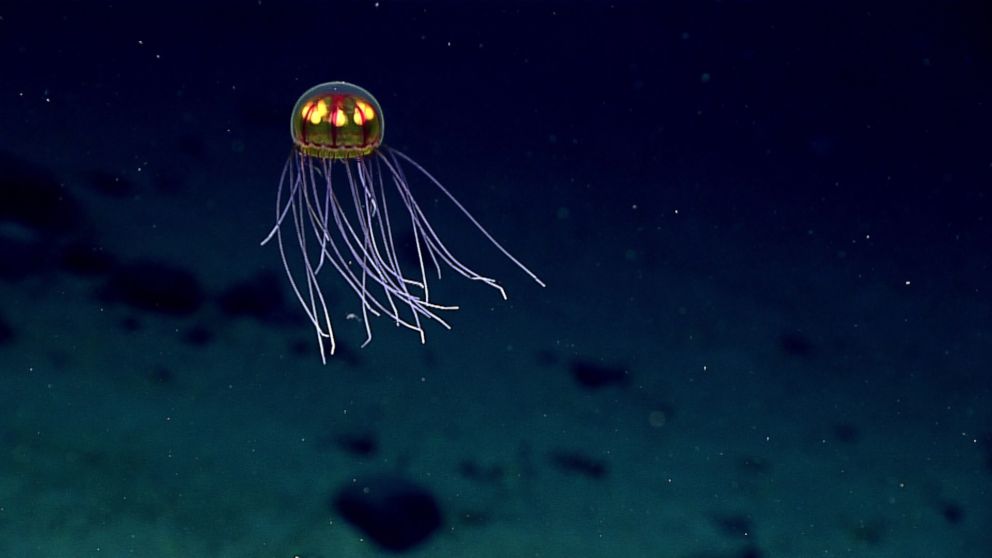
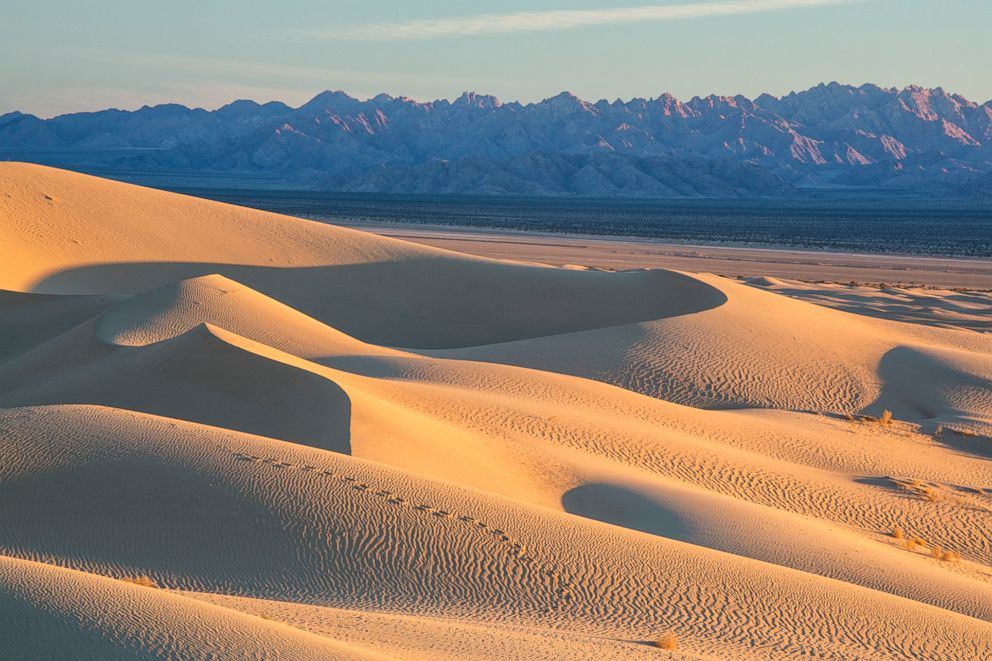
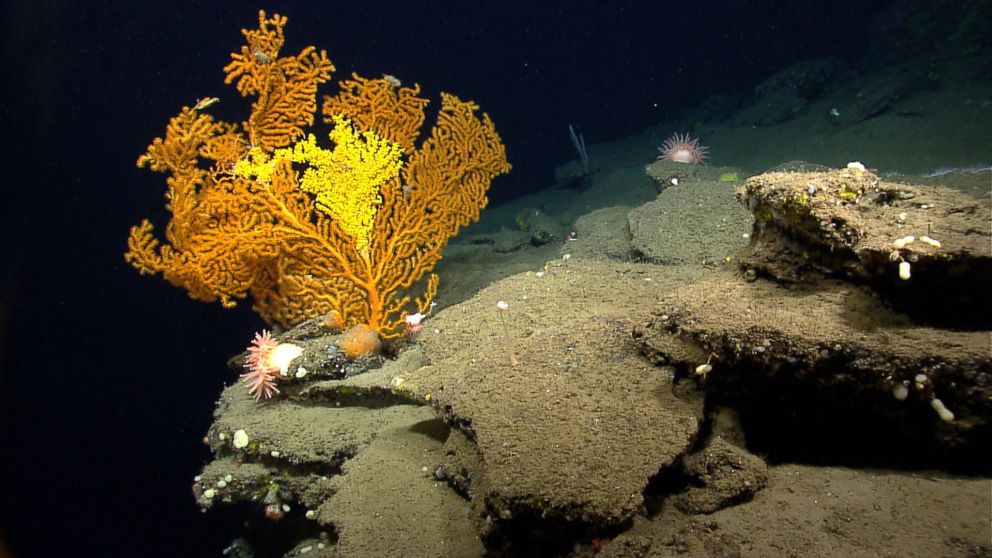
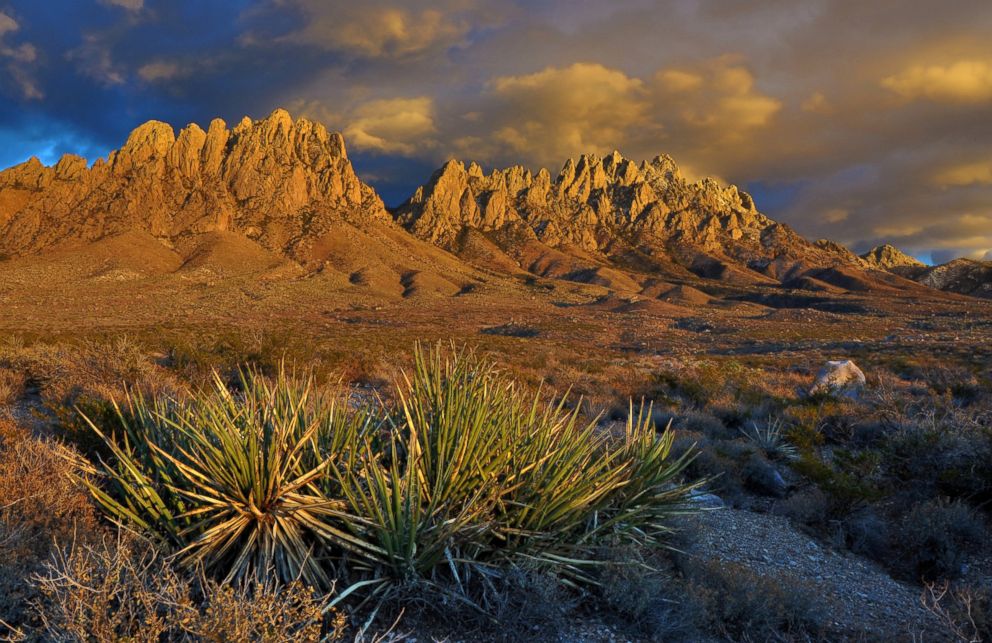
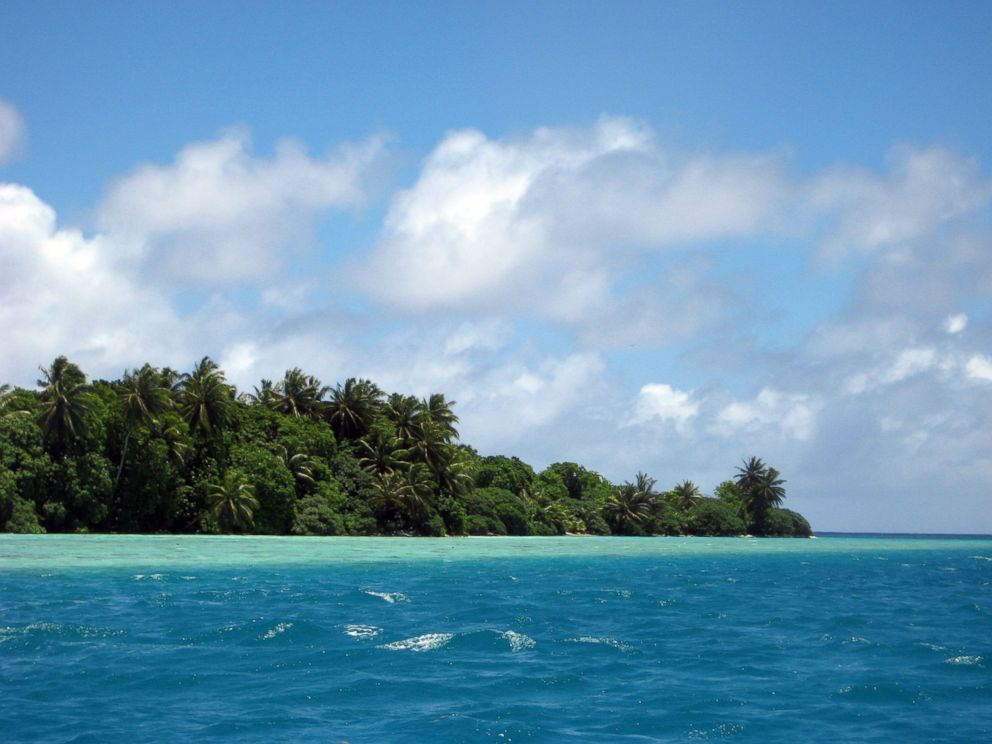
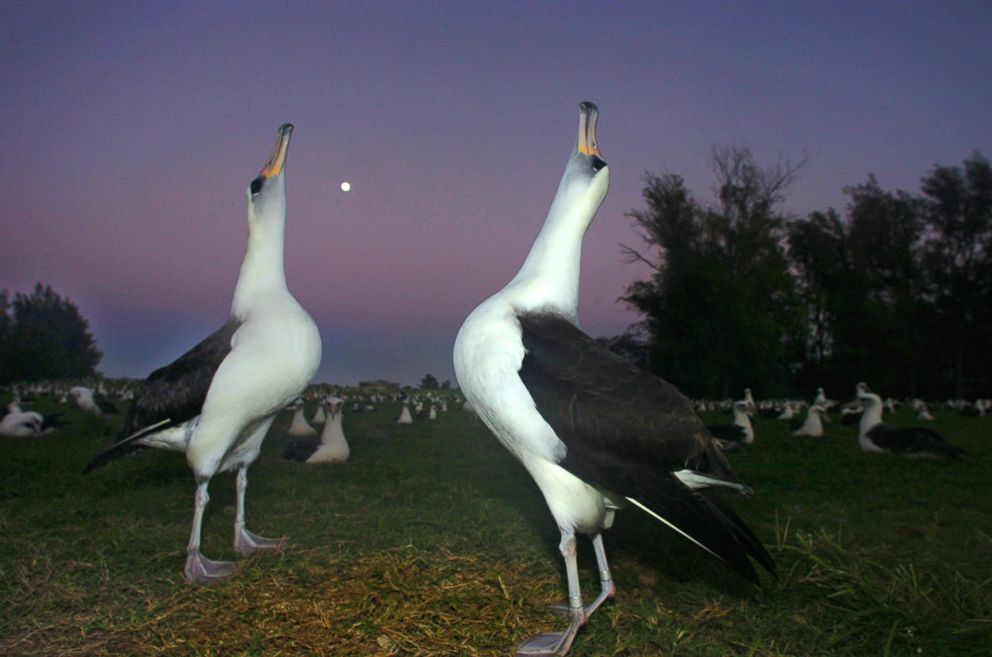
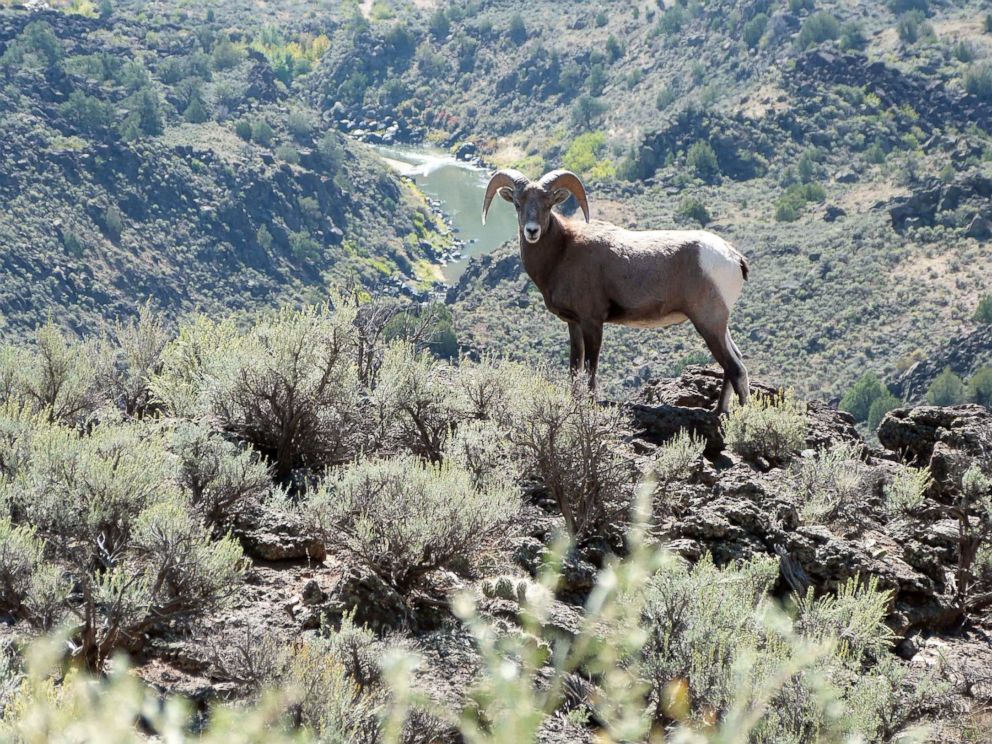
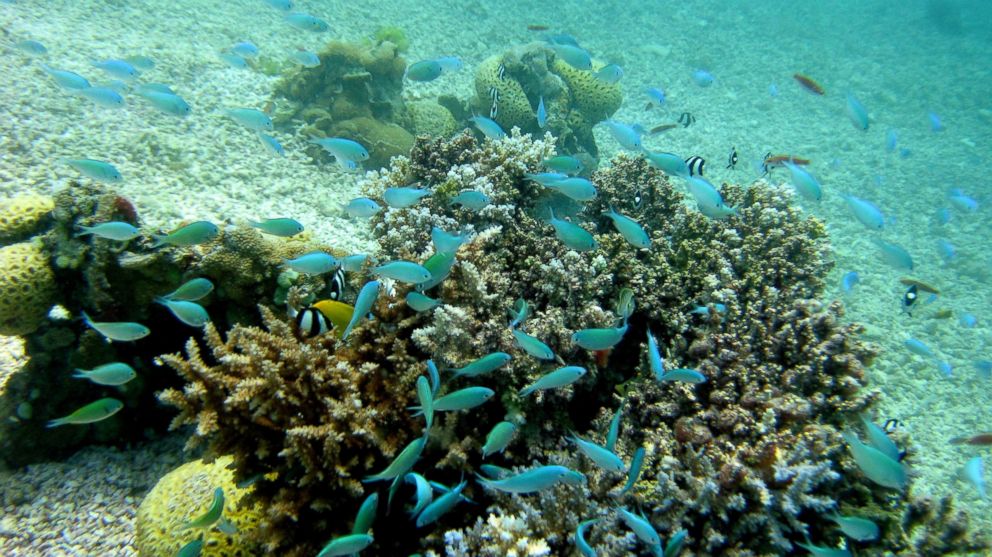
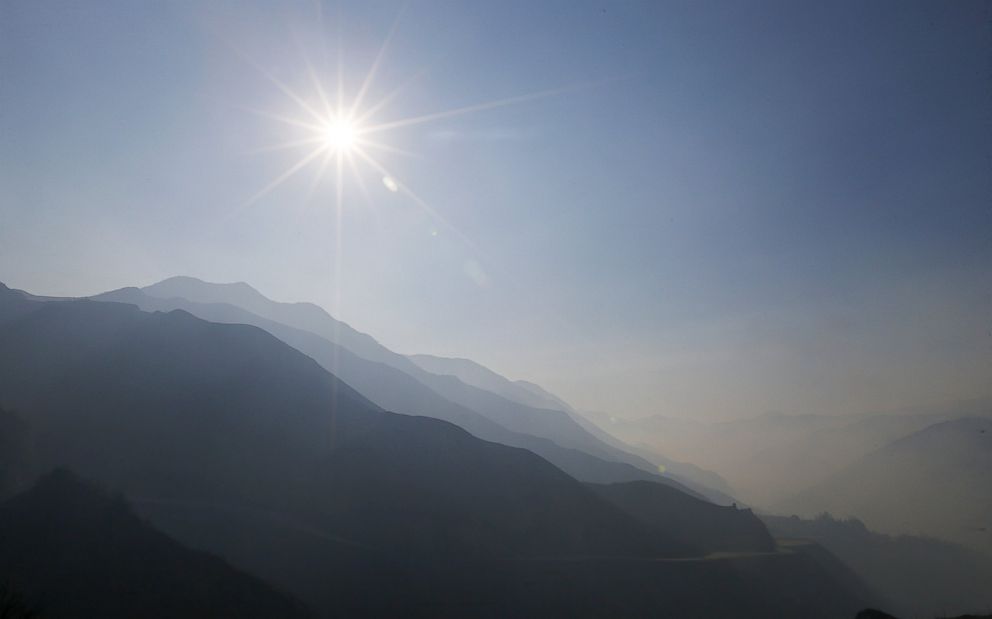
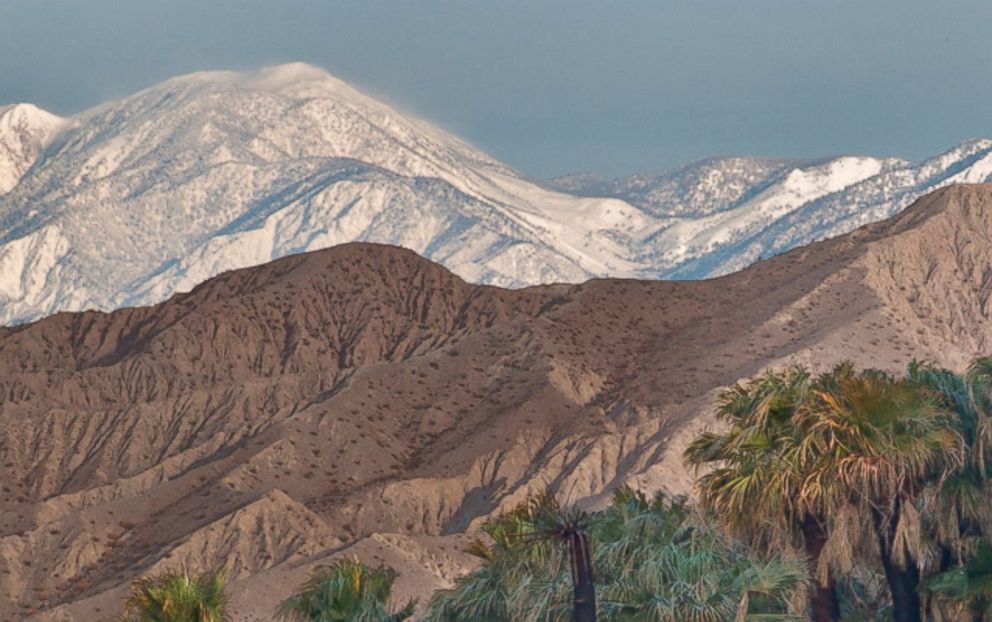
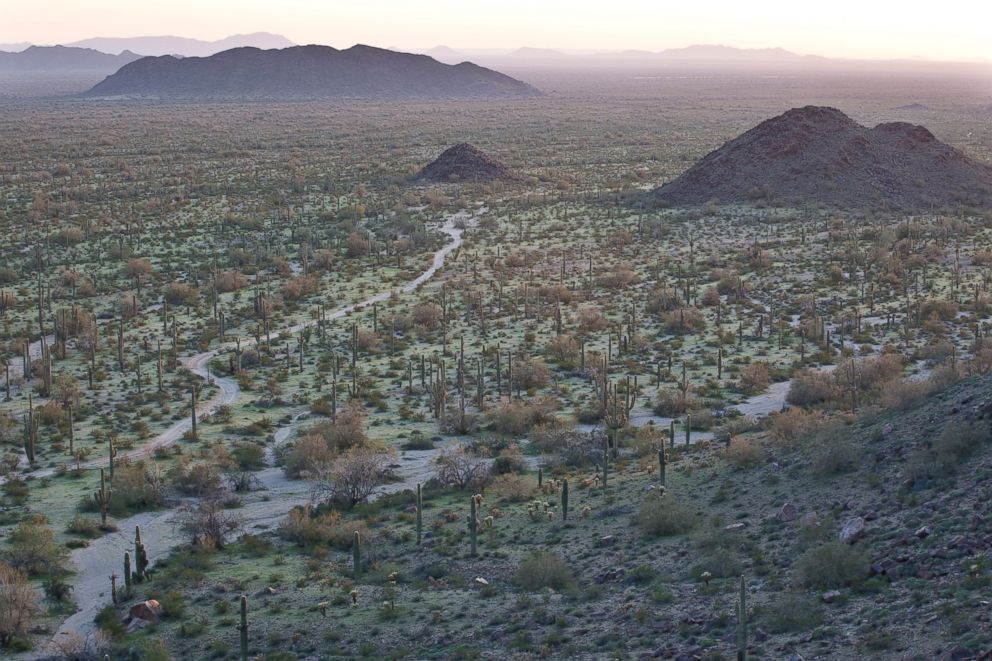
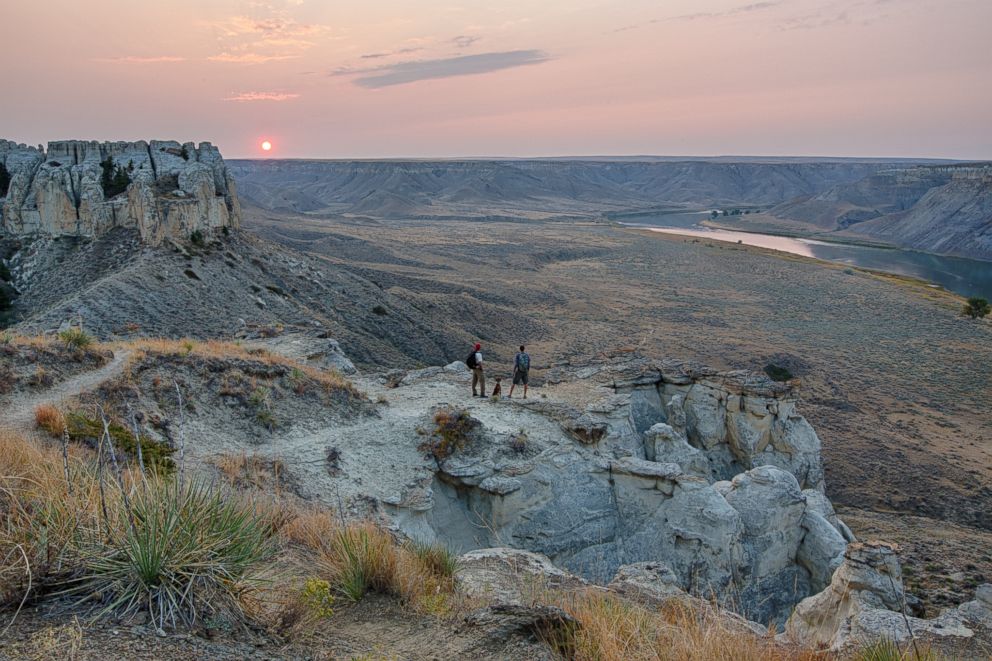
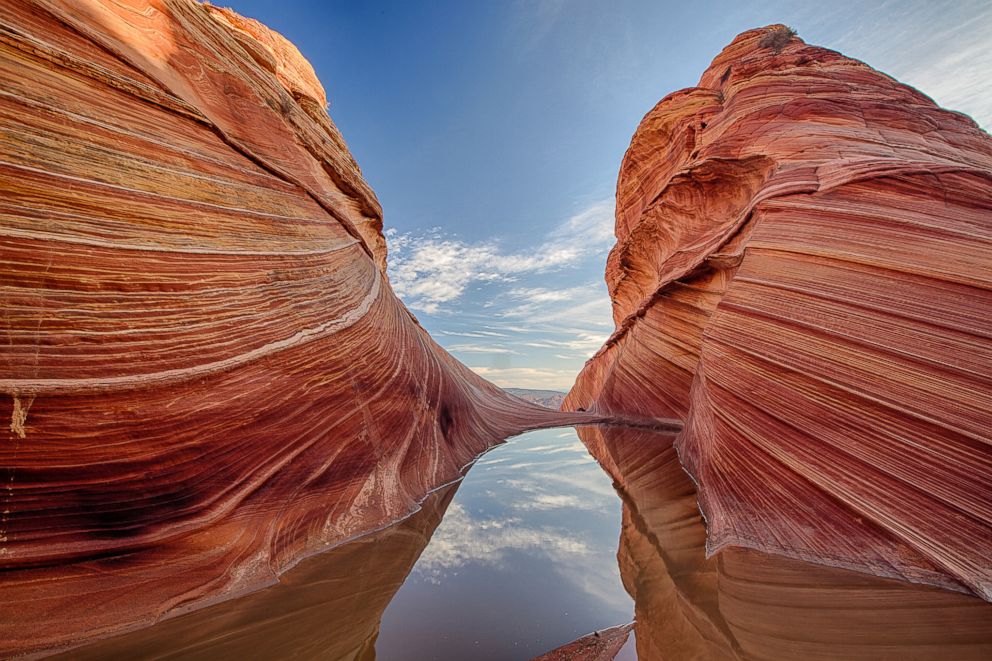
Photos of the National Monuments that went under review by President Trump, resulting in a substantial reduction of two parks and marine area reopened to commercial fishing.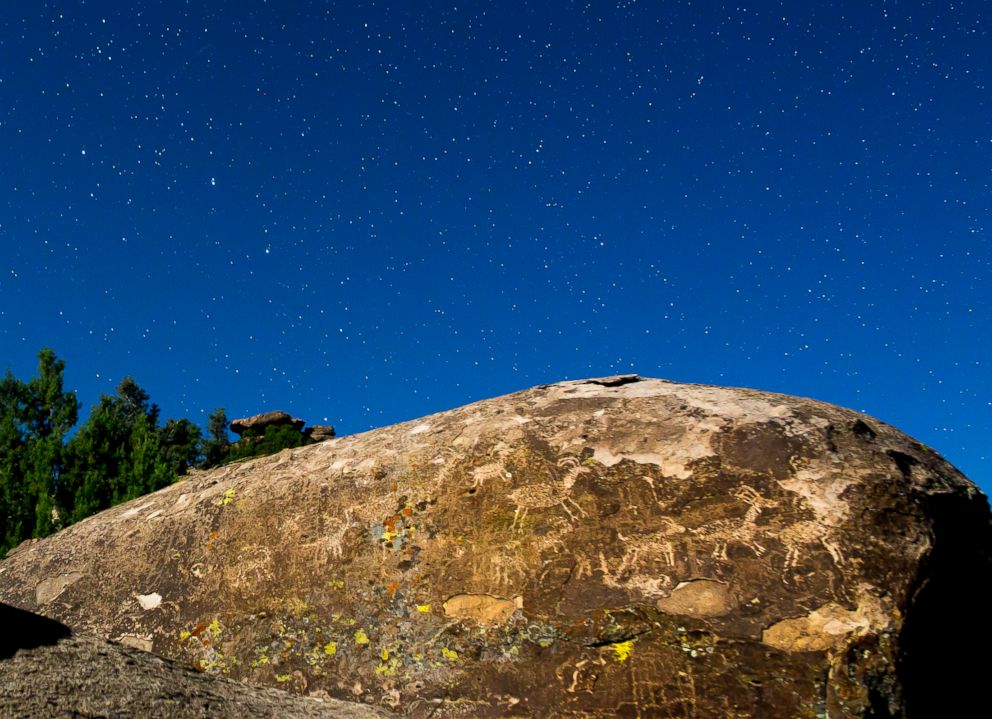
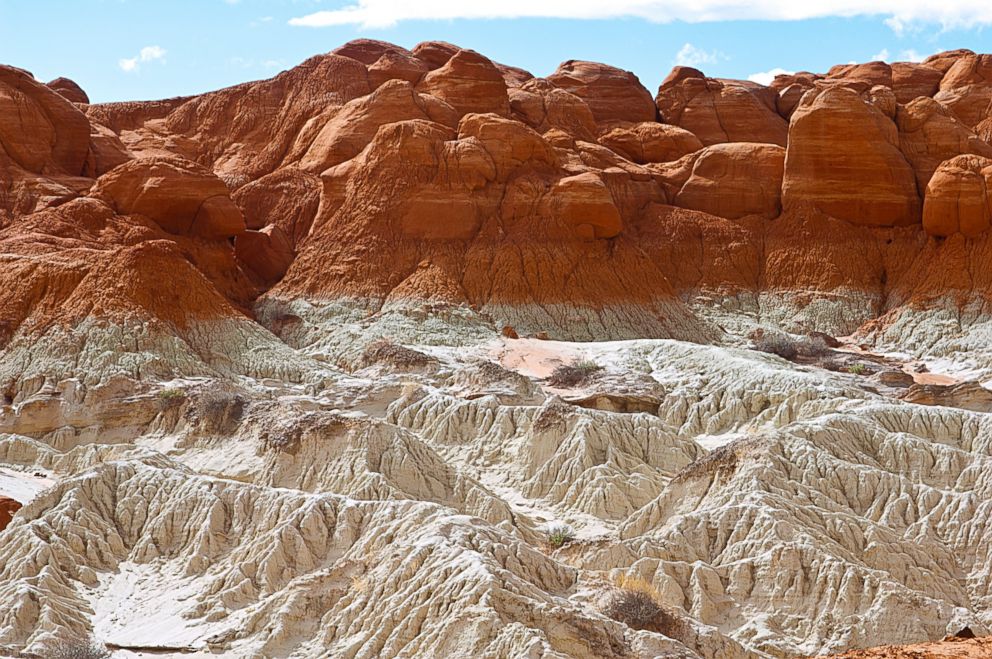
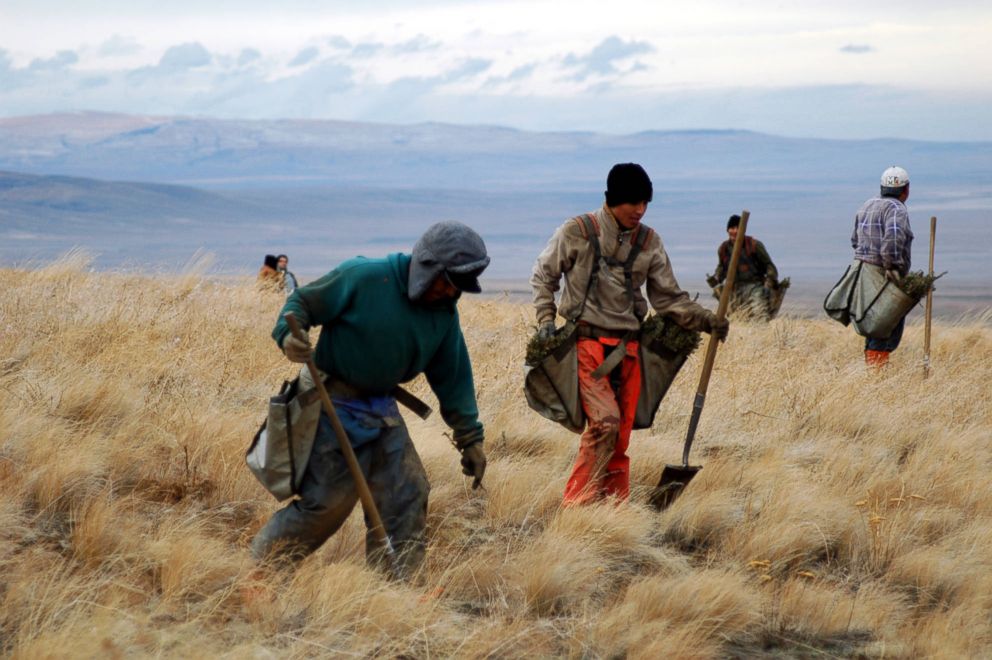
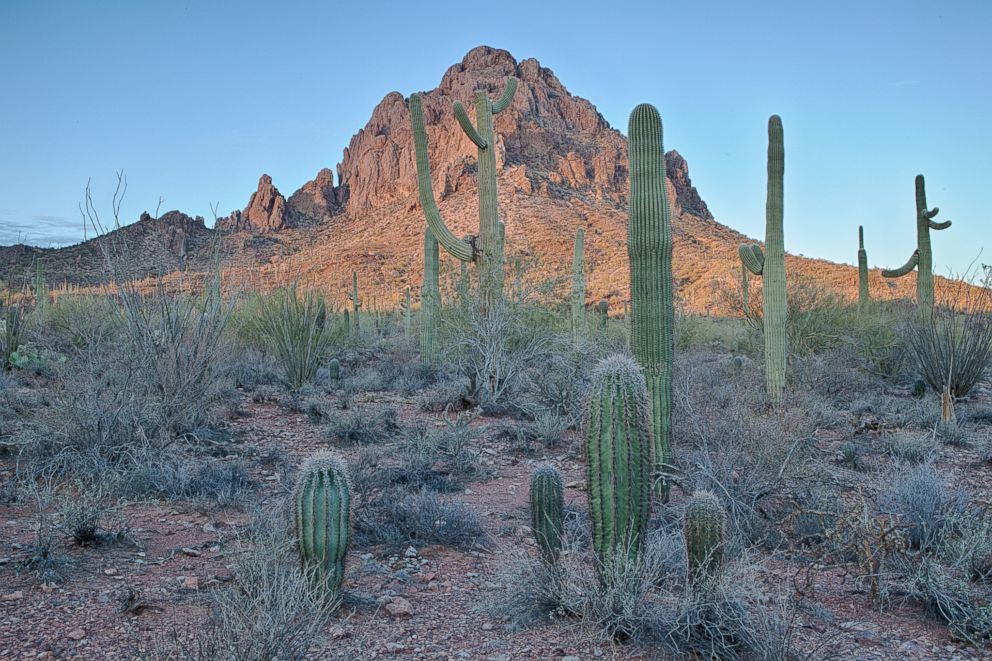
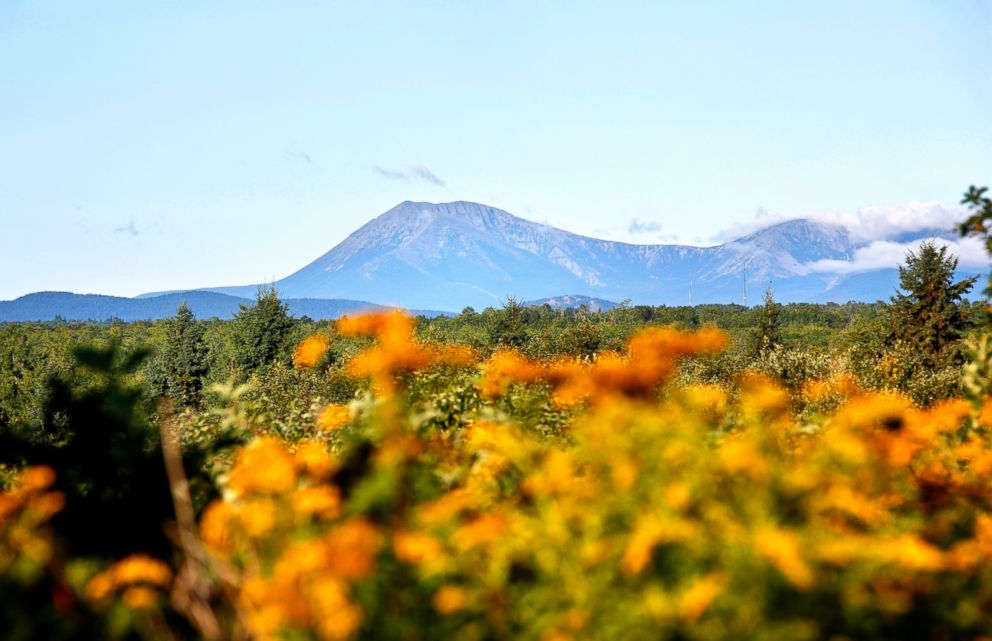
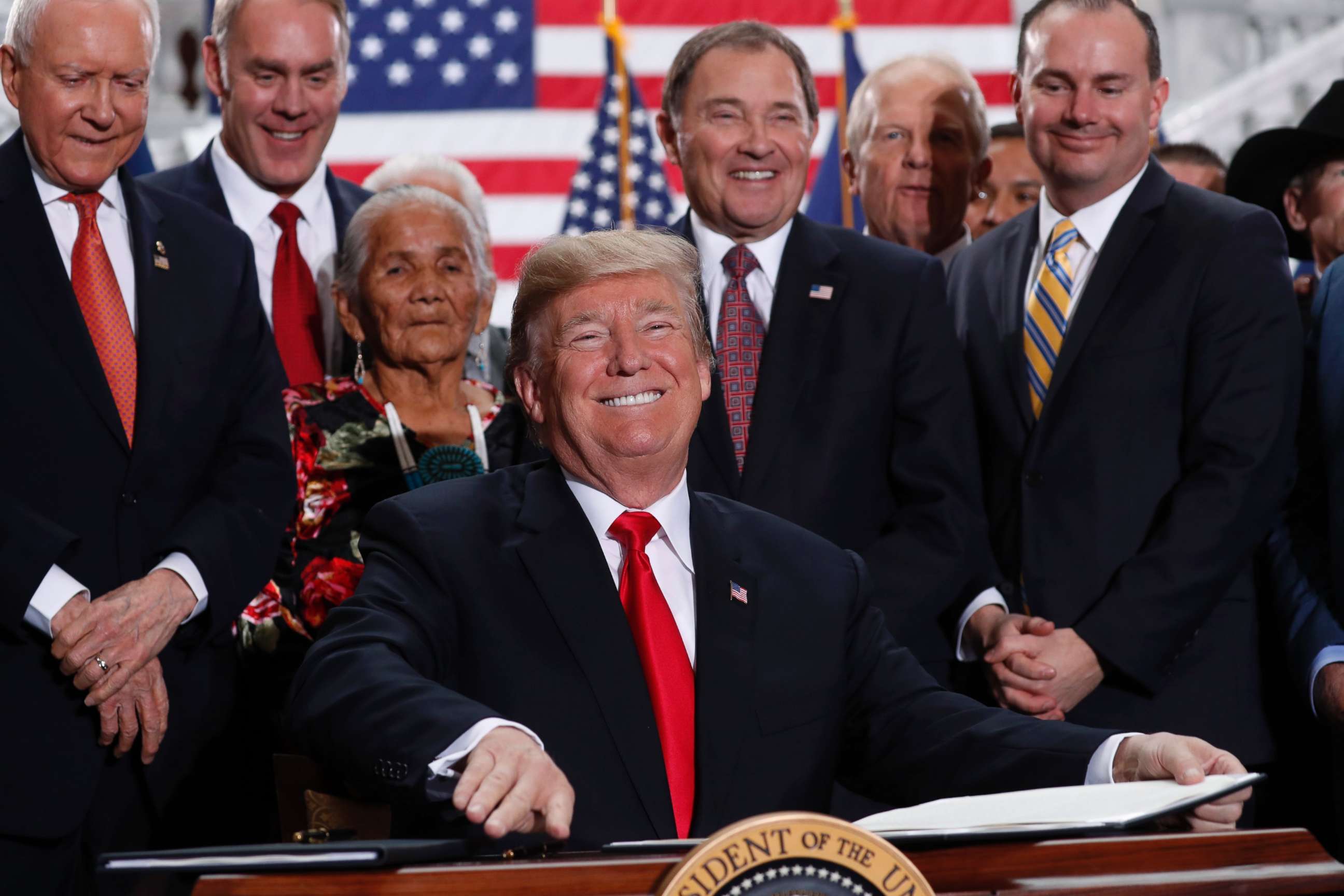
"Some people think that the natural resources of Utah should be controlled by a small handful of very distant bureaucrats located in Washington. And guess what, they're wrong," Trump said in his announcement at the Utah State Capitol on Monday.
The land will still be managed by the Forest Service and Bureau of Land Management, however, even though it is no longer part of a national monument, according to an official from the Interior Department. Bears Ears has also been managed by a local commission of representatives from the five tribes in the area who provide recommendations to the agencies managing the land.
"It is still federal land, with all the protections of federal land. The biggest change is we are allowing greater use on the areas that were previously in the monument," Interior Secretary Ryan Zinke said on Air Force One, saying that the move will allow grazing on land that is no longer part of the monument as well as recreation activities.
But critics of the decision say that shrinking monuments is bad for local economies that rely on tourism and outdoor recreation. The Outdoor Industry Association tweeted today that it is against shrinking Bears Ears and the Grand Staircase, and New Mexico Democratic Sen. Tom Udall also said it would be bad for the recreation economy.
Trump said Monday the announcement would give locals a greater say in how the land was managed, but tribes that consider the monument sacred and live in reservations adjoining the current borders say they have not been consulted equally in making the decision to change the borders. Zinke said they worked with the Utah Governor's Office and state officials to make sure antiquities were still included in the borders of the monument.
“The Navajo Nation has made repeated requests to meet with President Trump on this issue. The Bears Ears Monument is of critical importance, not only to the Navajo Nation but to many tribes in the region,” Navajo Nation President Russell Begaye said in a statement. “The decision to reduce the size of the Monument is being made with no tribal consultation. The Navajo Nation will defend Bears Ears. The reduction in the size of the Monument leaves us no choice but to litigate this decision.”
The official pushed back on concerns that there will be oil and gas drilling permitted on land that used to be part of the monuments, saying there isn't a lot of interest in drilling on that land. The Bureau of Land Management announced last week that parcels of land in the same county as the monuments will be put up for auction for oil and gas drilling in March.
Bears Ears was declared a national monument by President Barack Obama in 2016 and is unique in that five Native American tribes from the area came together the ask the administration to protect the land. Grand Staircase-Escalante was declared a national monument by President Bill Clinton in 1996.
The move is controversial and is expected to face immediate legal challenges from Native American tribes who consider the land sacred as well as conservation groups who want the land to retain its monument status. They say that the Antiquities Act grants the president the authority to create national monuments but not the power to eliminate them.
Trump initiated the process of reviewing monuments created under the Antiquities Act in an executive order signed in April. Interior Sec. Ryan Zinke then visited several of the monuments under review and ultimately made his recommendations to the president in May.
Monday's announcement is not the first time a president has looked into making a national monument smaller.
In 1938 President Franklin Roosevelt was considering whether to abolish a national monument in South Carolina but the attorney general at the time, Homer Cummings, found that he did not have that authority, according to a Congressional Research Service report. President John F Kennedy also altered the borders of Bandelier National Monument in New Mexico in 1963 citing the Antiquities Act.
The Congressional Research Service wrote a report on this issue in 2016 that found that while the Antiquities Act doesn't specifically grant the president the power to shrink or eliminate monuments it does say that monument size "shall be confined to the smallest area compatible with the proper care and management of the objects to be protected," which could be used to justify making the monument smaller.
Monday's announcement only addressed the two monuments in Utah, but a version of Zinke's recommendations reported by the Washington Post included recommendations to modify eight additional monuments and create four new ones. It's unclear when the president will announce his decision on those monuments.