Trump budget sharply cuts White House office leading opioid crisis response, shifts funds to other agencies
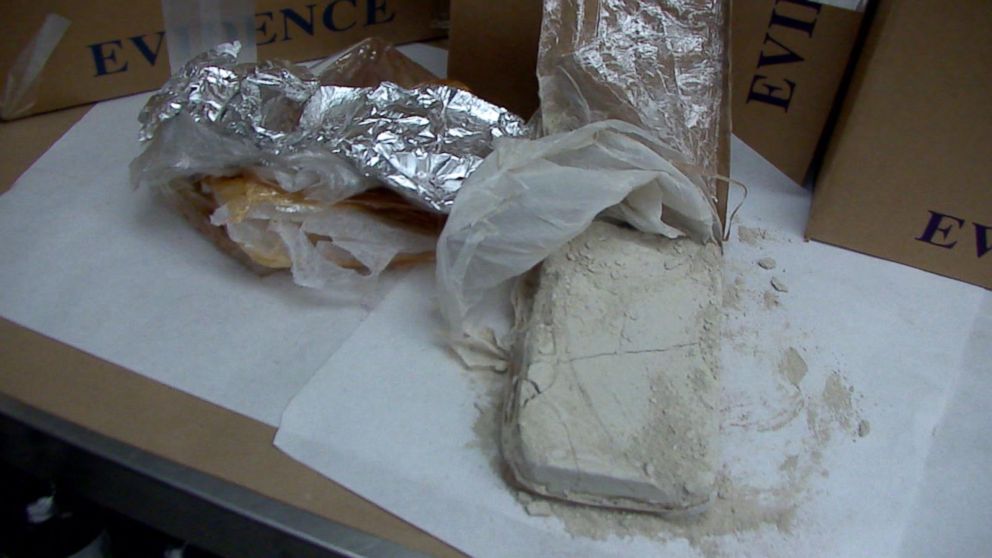
— -- The Trump administration's FY2019 budget released Monday requests more than $30 billion for drug control efforts, while at the same time proposing a sharp cut to the Office of National Drug Control Policy, which has been leading the fight in the opioid crisis.
The administration says it's shifting responsibility for spending on anti-drug programs to the Departments of Justice and Health and Human Services — and away from the White House office — so it can better focus on policy.
For FY2018, the White House allocated about $368 million for ONDCP. For FY2019, the administration proposes a mere $17.4 million for the drug czar's office, according to an OMB spokesperson.
This represents a 95 percent decrease in ONDCP's budget in just one year.
In October, President Donald Trump called the opioid epidemic “the worst drug crisis in American history,” and the ONDCP took the lead in coordinating the federal response across the government.
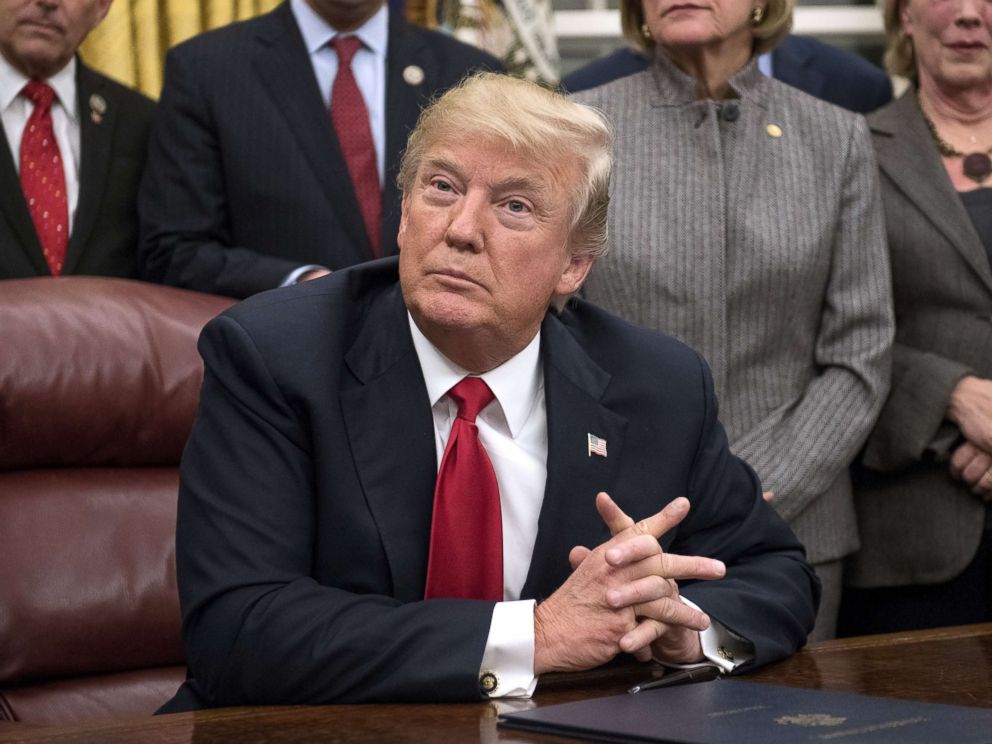
According to the new budget, the White House “drug czar’s” office is “charged with developing policies, objectives, and priorities for the National Drug Control Program.”
Last month, a spokesperson at ONDCP told ABC News, “This crisis remains a top priority for President Trump and his administration.”
Citing an estimate from the White House drug control office, the FY19 budget says that “more than $7 billion” is needed to confront the opioid crisis for “prevention, treatment, interdiction, international operations, and law enforcement across 14 Executive Branch Departments, the Federal Judiciary, and the District of Columbia.”
While the official budget recommends investing “$5 billion in new resources for the Department of Health and Human Services (HHS) over the next five years, including $1 billion in 2019, to combat the opioid epidemic,” the budget appendix also recommends redirecting the ONDCP’s two main grant programs, the High Intensity Drug Trafficking Areas (HIDTA) grant and the Drug Free Communities (DFC) Act, to the Departments of Justice and Health and Human Services.
Despite this recommended funding, the proposed $68.4 billion budget for HHS is a 21 percent decrease from the previous fiscal year.
Defending the move, the White House says “This proposal will enable ONDCP to focus resources on its core mission: to reduce drug use and its consequences by leading and coordinating the development, implementation, and assessment of U.S. drug policy.”
Office of Management and Budget press secretary Meghan Burris reinforced the White House's decision, saying, "HIDTA and DFC management are resource intensive, forcing ONDCP to focus on administering grants, rather than what should be its primary mission of policy development, implementation and evaluation.”

"DOJ and HHS are both major grant management organizations that can look holistically at allocations across law enforcement and drug prevention and treatment resources,” she added.
Over the last year, the ONDCP has been operating without a permanent director. Richard Baum has served as acting director since March 2017. On Feb. 9, the president nominated Jim Carroll, who serves as Assistant to the President and Deputy Chief of Staff to John Kelly, to head the agency.
Despite the sharp cuts to the drug control office's budget, White House press secretary Sarah Sanders said in a statement last week, “We have full confidence in Jim to lead ONDCP to make significant strides in combating the opioid crisis, reducing drug use, and coordinating U.S. drug policy.”