Trump says Iran has 'called' about making a deal after failed weekend talks. What's next?
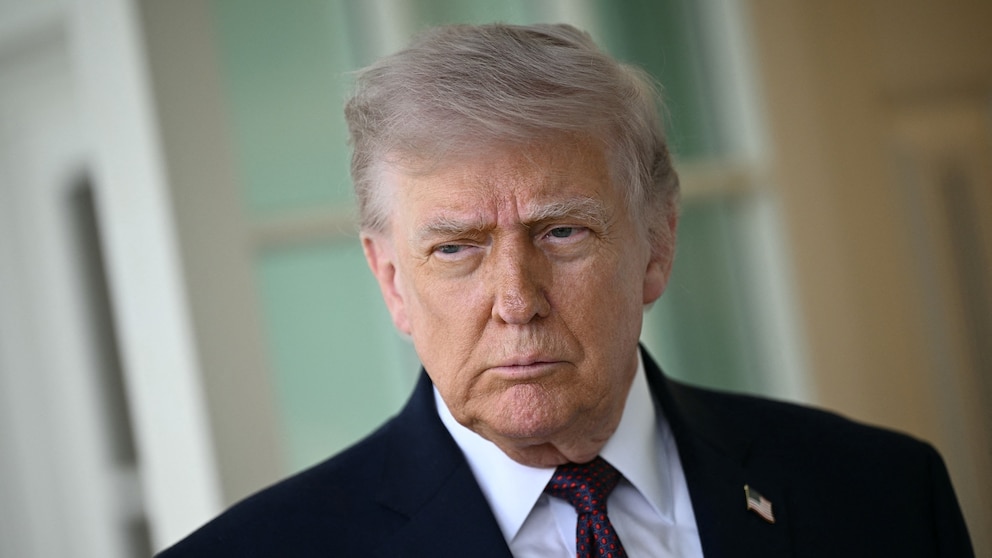
After failed talks this past weekend in Pakistan, mediators have launched a flurry of activity aimed at getting negotiations between the U.S. and Iran back on track as they hope to arrange another round of in-person negitations between the parties before the two-week ceasefire is set to expire next week, according to two U.S. officials and another source with knowledge of the situation.
Even though the U.S. and Iran have been accusing each other of violating the truce since its implementation, mediators see its looming end as a potentially useful tool for ramping up pressure on both sides to come back to the table.
The officials and other source say mediators are trying to stave off a resumption of attacks on Iran from the U.S. and push Tehran to reconsider a proposal put forward by the Trump administration during the Islamabad talks.
Conversations have also touched on President Donald Trump's naval blockade of Iranian ports being implemented Monday, which is largely seen as a play to reduce Iran's leverage at the negotiating table.
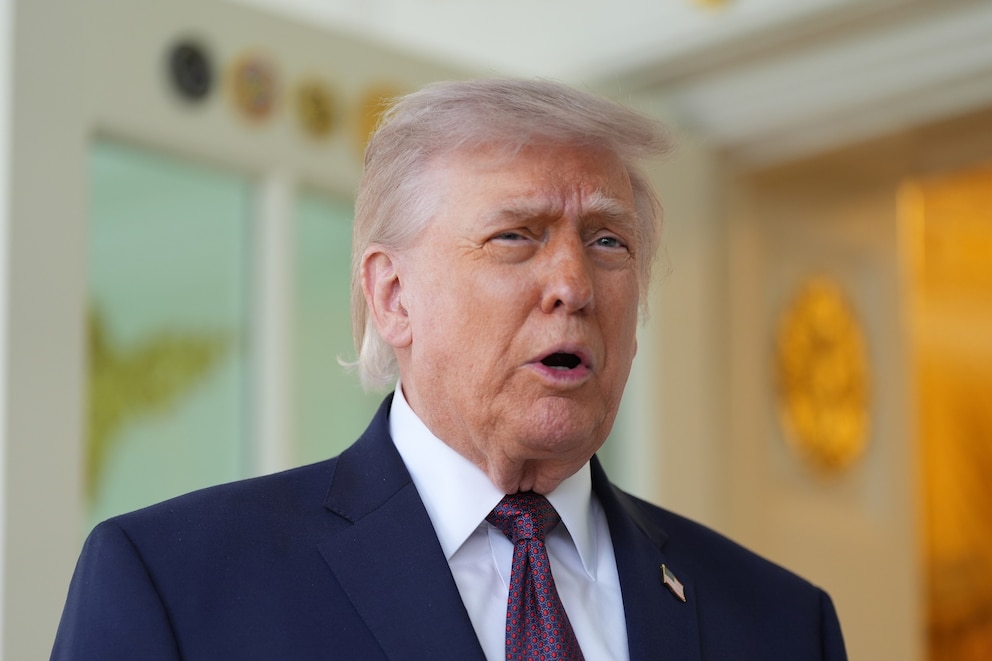
When asked about the negotiations with Iran at the White House Monday afternoon, President Trump said "we've been called by the other side," and "they'd like to make a deal very badly, very badly."
While additional details on that communication weren't immediately available, both the U.S. and Iran have expressed interest in continuing to work toward a diplomatic settlement, the officials and source said.
Any formal agreement between the countries concerning Iran's nuclear program would be the first of its kind since the Joint Comprehensive Plan of Action, an Obama-era pact reached after more than 20 months of intensive negotiations that Trump exited during his first term in office.
The enrichment question
Multiple parties involved in the Islamabad talks have publicly indicated that negotiations fell apart over the same sticking point that has plagued diplomacy between the U.S. and Iran time and time again: the enrichment of uranium within Iran's borders.
The U.S. side floated imposing a total ban on Iran's enrichment of uranium for at least 20 years; Iran countered with a much shorter timeframe, according to a U.S. official.
Although these terms were put forward by the delegations, it's not clear whether either side would have ultimately accepted those conditions as part of a final deal or if they were proposed as part of a negotiating strategy.
Both sides also discussed Iran's existing stockpile of highly enriched uranium; Iran offered to get rid of it via downblending, a process that degrades the uranium to a point where it can still be used for fuel but cannot be enriched to weapons grade levels again, the official said, adding that downblending has previously been viewed by the U.S. as an acceptable solution.
At the same time, Trump said Monday "we're going to get the dust back."
Working the phones
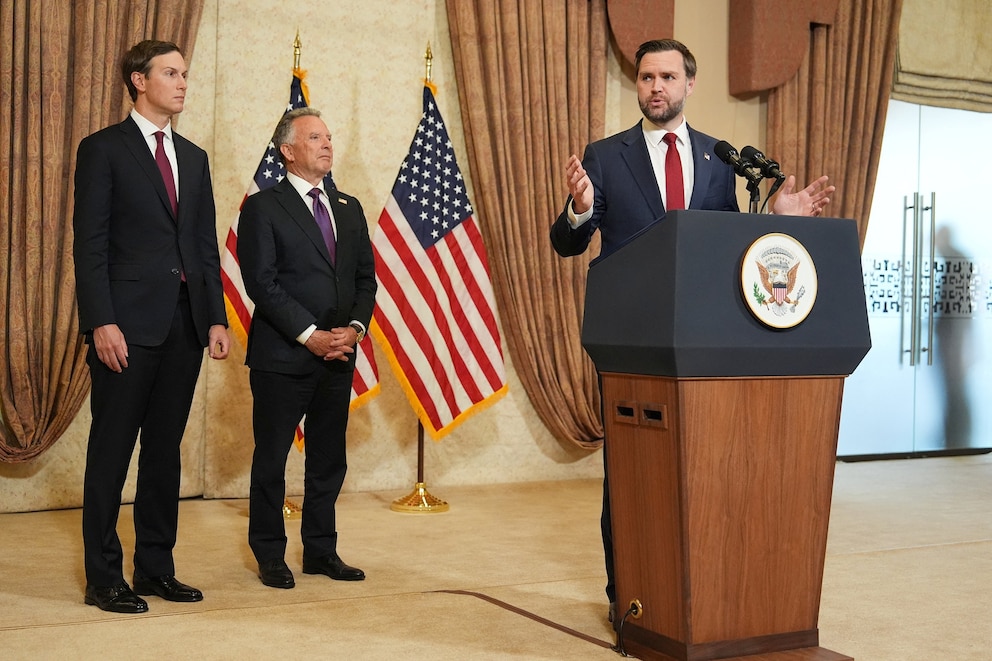
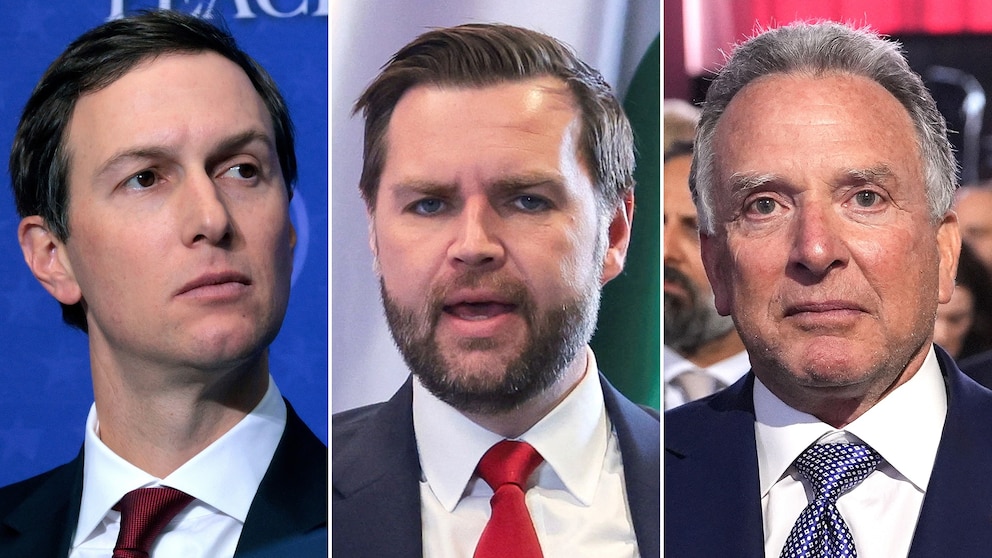
Beyond the communication Trump alluded to Monday, Special Envoy Steve Witkoff has been in contact with multiple officials from mediating countries following the conclusion of the talks in Islamabad, one official said.
Israel was not formally involved in the negotiations, but there were high-level conversations between the Trump administration and the Israeli government over the weekend. Israeli Prime Minister Benjamin Netanyahu also told his cabinet that Vice President Vance called him on his way back from Islamabad.
Secretary of State Marco Rubio is also expected to meet with Egypt's foreign minister, Badr Abdelatty, when he visits Washington this week.
Additionally, Pakistan's foreign ministry said that the country's deputy prime minister/foreign minister has held calls with his counterparts from Turkey, Egypt, Saudi Arabia and China since the conclusion of the talks.
Although China has been reluctant to take on a larger role in mediation, Beijing has been a very active player behind the scenes and is pushing for a speedy resolution over concerns about the economic impact of the conflict, officials say.
The Islamabad MoU
Iranian Foreign Minister Seyed Abbas Araghchi said after the breakdown of the talks that the U.S. and Iran had been "just inches away" from "Islamabad MoU" -- or an Islamabad Memorandum of Understanding.
U.S. officials deny that the parties were on the precipice of any agreement, but a Memorandum of Understanding is generally defined as a formal yet non-binding deal that builds toward a more concrete deal.
It's not totally unthinkable that the two countries might take the intermediary step of agreeing to an MoU before final agreement, the U.S. -- and the Trump administration, specifically -- generally prefer to use MoUs in areas of cooperation rather than higher-stakes diplomatic agreements.
One reason Iran could have been seeking an MoU is that Iranian negotiators have previously indicated that the country's new supreme leader, Mojtaba Khamenei, would need to sign off on a finalized agreement, according to a U.S. official and source familiar.
The Iranians insist Ayatollah Mojtaba Khamenei is heading Iran's government and that he signed off on the two-week truce last week -- but there are various reports about the severity of the injuries he sustained during the strike that killed his father and questions about whether he is truly in control of the country remain.
While Vance could easily call and consult President Trump during the talks, the Iranian side would not necessarily directly communicate with the supreme leader while in Pakistan due to concerns that Ayatollah Khamenei's location could be traced, adding an additional level of complication.