What would strikes on Venezuela look like? US target list expected to include ports, airports used by drug smugglers
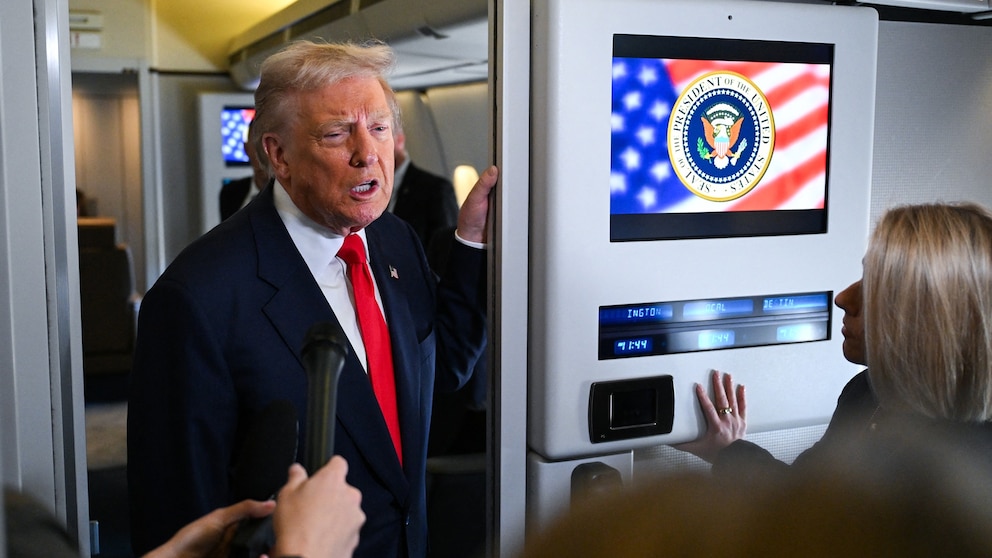
The Trump administration has drawn up a secret list of targets in Venezuela the U.S. could strike upon orders of the president, according to several officials familiar with the effort, which experts said was expected to include ports, airports and other sites run by Venezuela’s President Nicolás Maduro but also used by drug cartels to transit illegal narcotics.
The classified target list, briefed to Senate Republicans earlier this week, along with a massive buildup of military assets in the region that includes some 10,000 troops, has fueled speculation that President Donald Trump could order strikes at any moment.
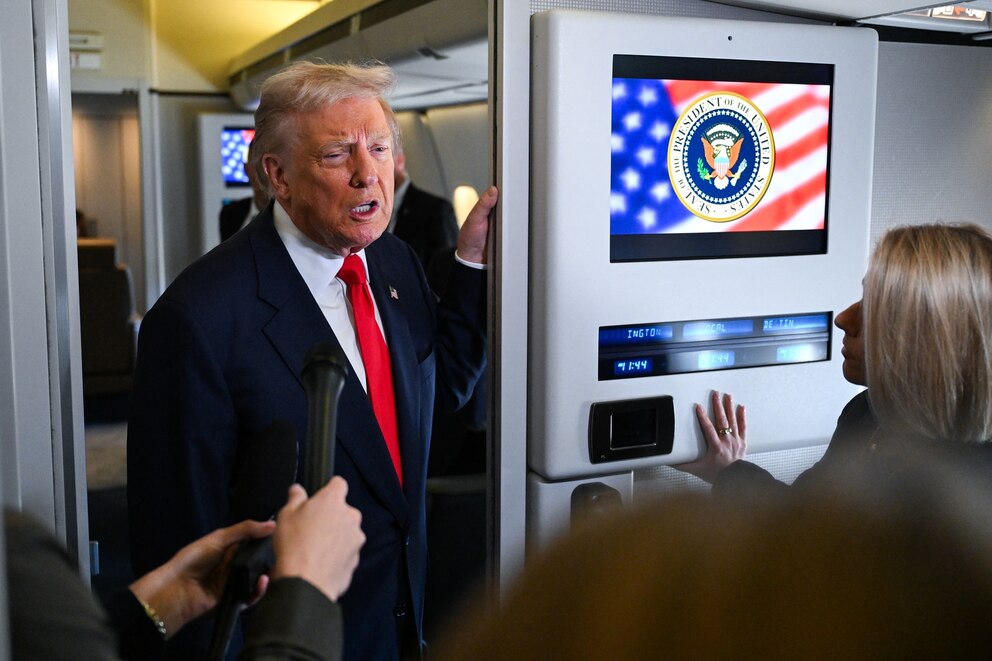
As of Friday afternoon, it was not clear whether Trump would act. Military sources said they did not expect an imminent attack, and Trump himself told reporters he has not made a decision.
Trump, though, has previously threatened to hit Venezuela by land. And, one person familiar with how the operations would proceed if a military strike were ordered, said there were "several indications" a strike may happen "within the next 72 hours."
The last time Trump ordered a large-scale military attack in June -- a surprise B-2 stealth bomber strike on Iranian nuclear sites -- White House press secretary Karoline Leavitt told the public two days prior that Trump would make a decision on military action "within two weeks." According to The New York Times, planning for the operation was already underway and her comments were part of a misdirection campaign.
"No, it’s not true," Trump told reporters Friday when asked about reporting an attack was imminent.
White House spokesperson Anna Kelly added: “Unnamed sources don’t know what they’re talking about. Any announcements regarding Venezuela policy would come directly from the president.”
How we got here
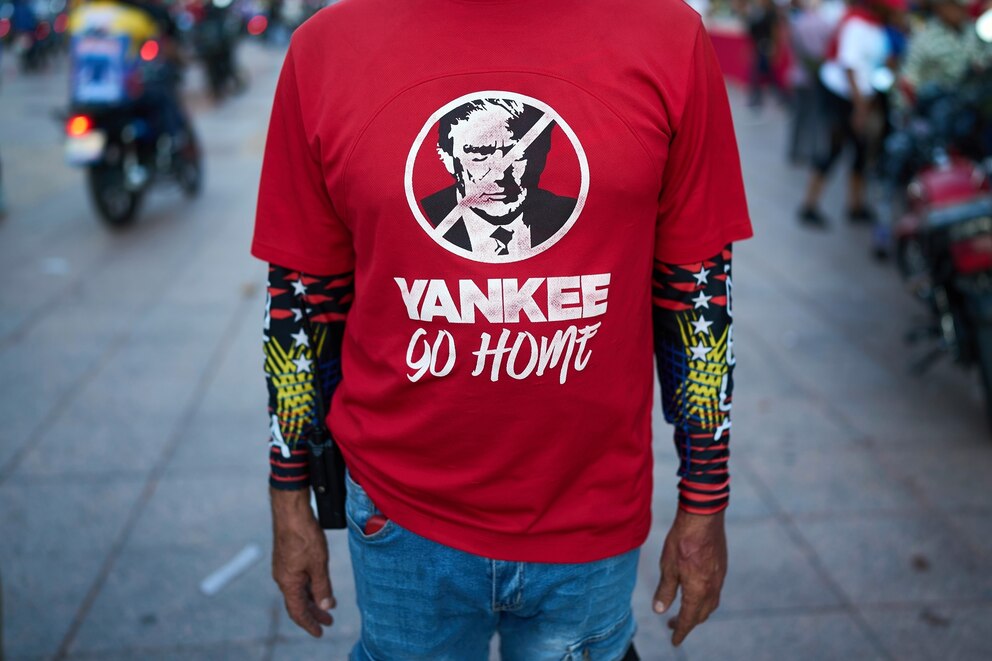
The U.S. government has long accused Maduro of being an illegitimate leader who seized power using fraudulent elections and of mismanaging the country’s considerable oil wealth. During his first term, Trump mostly relied on economic sanctions to try to force Maduro to step down.
Earlier this year, Trump aides engaged Maduro officials to coordinate prisoner swaps and deport migrants. But by spring, Trump’s tactics shifted when he designated certain drug cartels as "terrorist organizations" and began a military-led pressure campaign to try to force Maduro out.
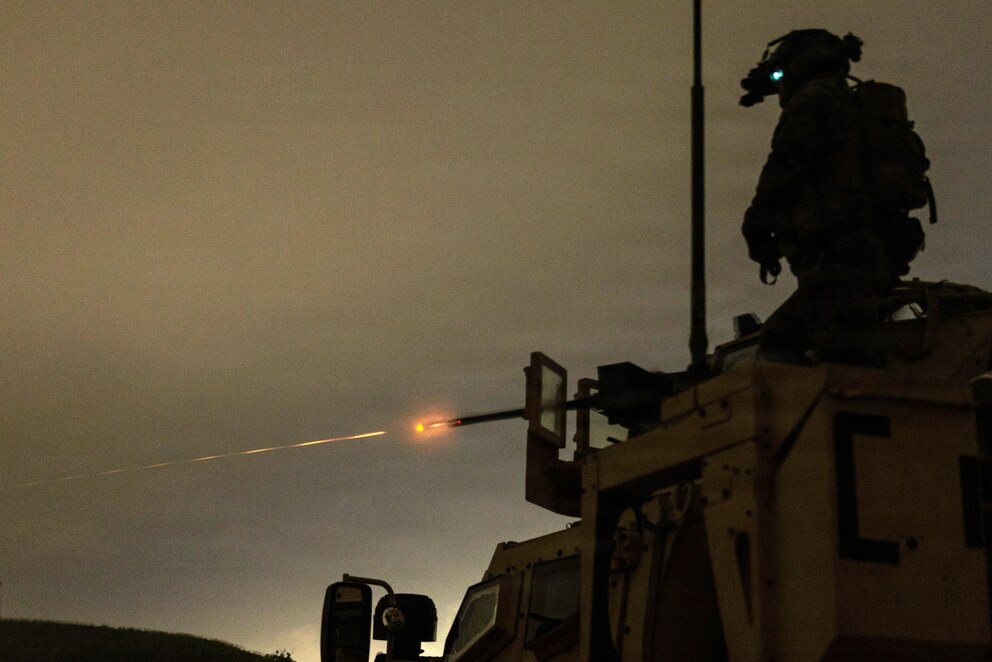
Trump and his top aides began drawing comparisons between drug smugglers and al-Qaida fighters and insisting the U.S. has the legal right to use to lethal force against anyone transiting narcotics in international waters -- a task previously handled by law enforcement.
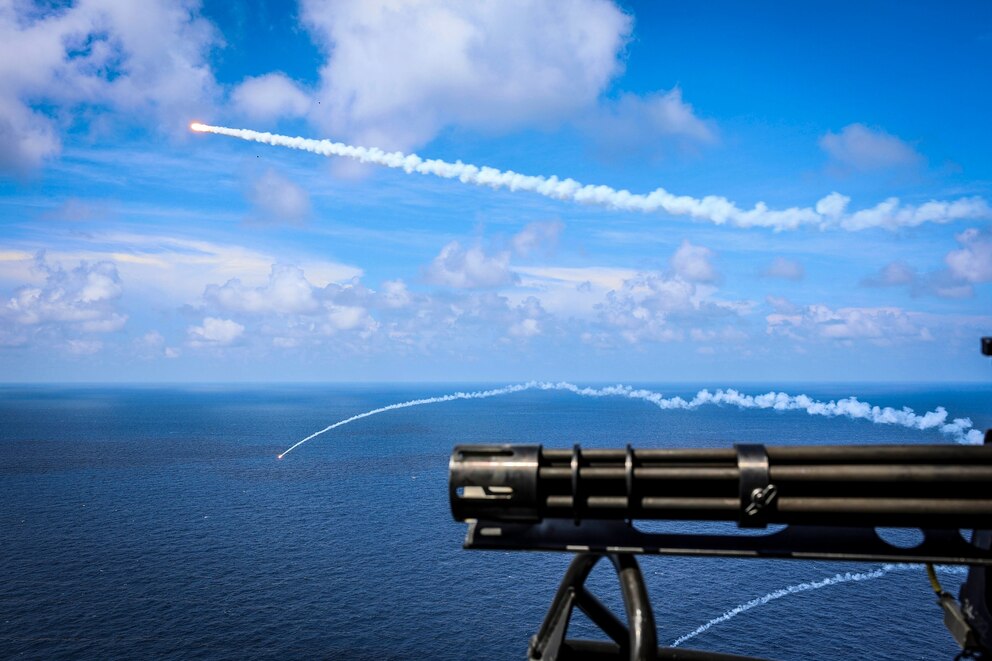
By early September, an unprecedented buildup of military assets in the region was underway, including eight Navy ships, a submarine, Reaper Drones and F-35 fighter jets. Trump ordered the military to begin striking alleged drug vessels in the Caribbean, posting video on his social media accounts of the small boats and one semi-submersible exploding.
By October, with Maduro still in power, Trump ramped up operations, sending nuclear-capable bombers and a team of Special Operations forces in helicopters to buzz Venezuela’s coast.
In a highly unusual move, the president publicly announced that he had ordered "covert operations" inside the country -- a move widely seen as trying to rattle Maduro. Trump also ordered the deployment of a massive aircraft carrier and its accompanying ships and F-18 aircraft.
Since Sept. 2, the military has launched 14 strikes and killed 61 people, according to a U.S. government account.
What could happen next
If Trump decides to pull the trigger on military strikes, he’d likely have three options – covert action; limited air strikes on sites like airports and ports; or a full-scale military invasion similar to the 1989 U.S. operation in Panama coined "Operation Just Cause."
ABC News contributor Darrell Blocker, who, while in the Air Force, was deployed as part of the U.S. invasion of Panama, said limited military strikes inside Venezuela seems the most likely scenario in Venezuela, although it’s difficult to say for sure given the administration’s rhetoric.
Blocker, who later became a CIA operative, said that if a large-scale attack on Venezuela is in the cards, U.S. troops will face serious risks.
"I’ve witnessed military operations from the ground in Panama, Somalia, and Pakistan and methinks the administration is making a major error by underestimating the people of Venezuela by operating from the premise that liberating them from their oppressive regimes means they accept outside intervention," he said. "Iraq, Libya, Afghanistan and the aforementioned countries proved otherwise."
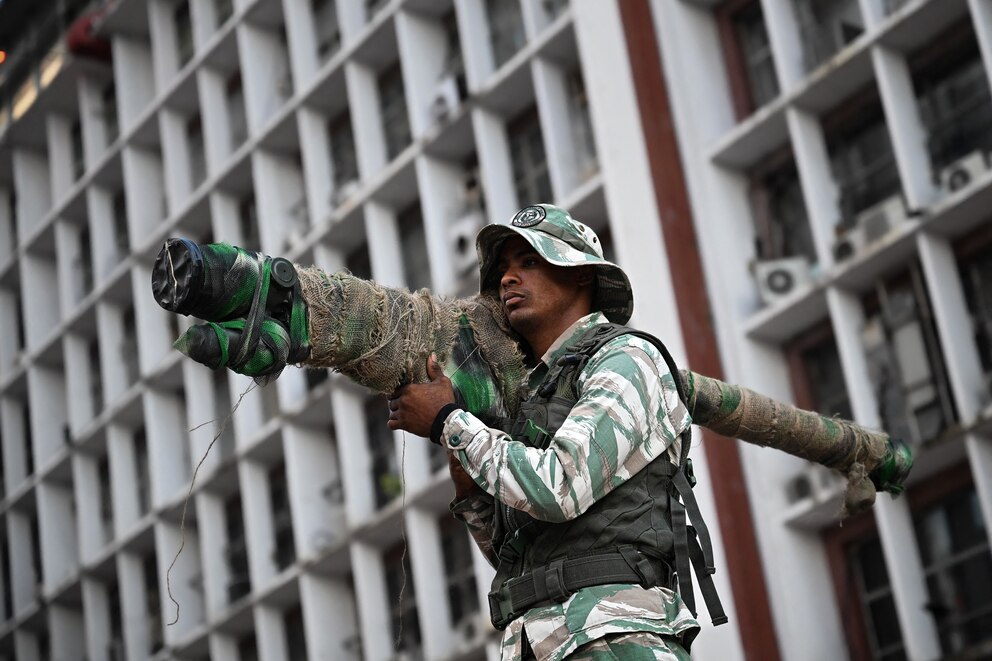
Retired Adm. James Stavridis, a former top commander of troops throughout Latin America, agreed a full-scale land invasion seemed unlikely. In an opinion article for Bloomberg, Stavridis said that initially the most likely targets would be narcotics-related, such as airports and seaports where drugs are loaded and trans-shipment points near Venezuela’s border with Colombias.
Cell towers, satellite base stations, office facilities and fuel-storage centers also are likely on the target list, Stavridis wrote.
Next up would be any facilities that could threaten U.S. Navy warships or protect drug smugglers, with top priority given to Venezuelan air defense sites, followed by air strikes against Venezuelan armed forces.
"Then comes the hardest decision: Whether to conduct a 'decapitation' strike against Maduro and his senior leaders," Stavridis wrote. "It’s worth noting that Trump did not authorize such an attack against Iranian leaders when he bombed the country’s nuclear facilities in June. On the other hand, he did not hesitate to use deadly force against Qassem Soleimani, the leader of Iran’s Quds force, during his first administration."