How the last-minute deal between Trump and Iran unfolded
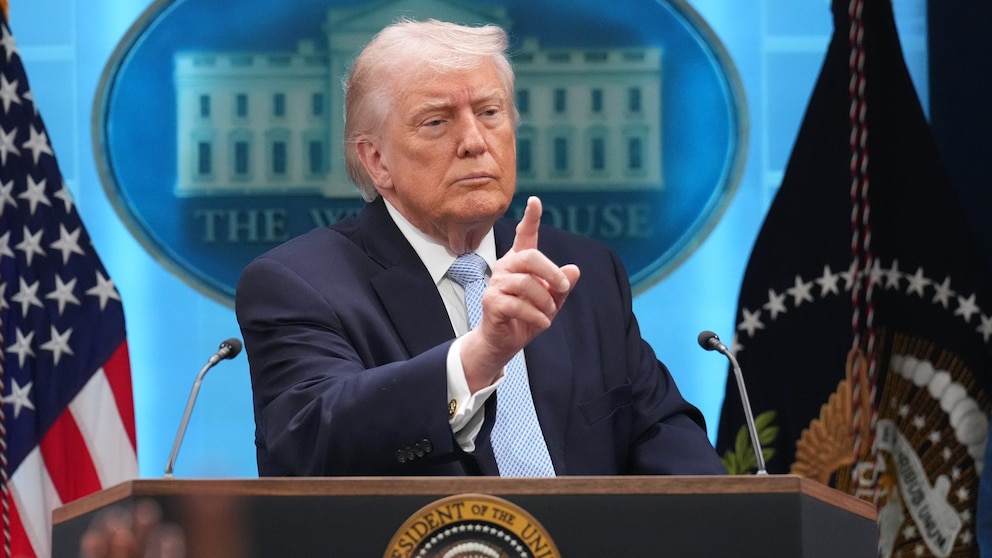
An 11th hour plea from the prime minister of Pakistan appears to have swayed both President Donald Trump and the Iranian regime to agree to a two-week ceasefire deal in exchange for temporarily opening the Strait of Hormuz, at least temporarily staving off Trump's promise to bomb Iran back to the "stone ages."
With just hours to go until Trump's 8 p.m. ET Tuesday deadline, Pakistani Prime Minister Shehbaz Sharif -- one of the key mediators attempting to the end the conflict -- issued a public call to Trump, urging him to allow more time for negotiations.
"Diplomatic efforts for peaceful settlement of the ongoing war in the Middle East are progressing steadily, strongly and powerfully with the potential to lead to substantive results in near future," Sharif said. "To allow diplomacy to run its course, I earnestly request President Trump to extend the deadline for two weeks."
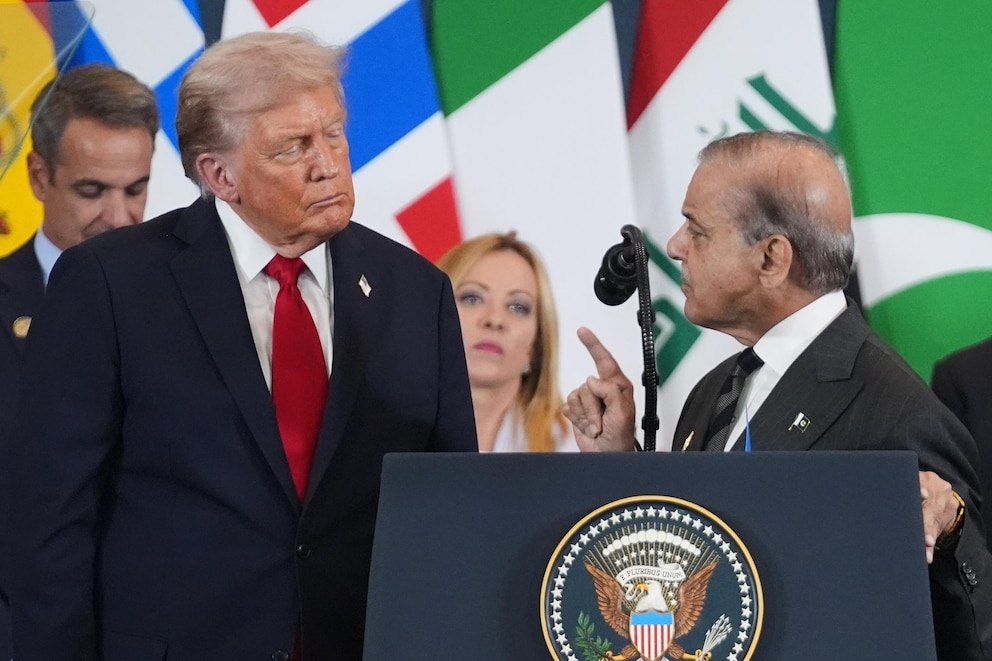
Sharif also implored Iran to open the Strait of Hormuz as a "goodwill gesture."
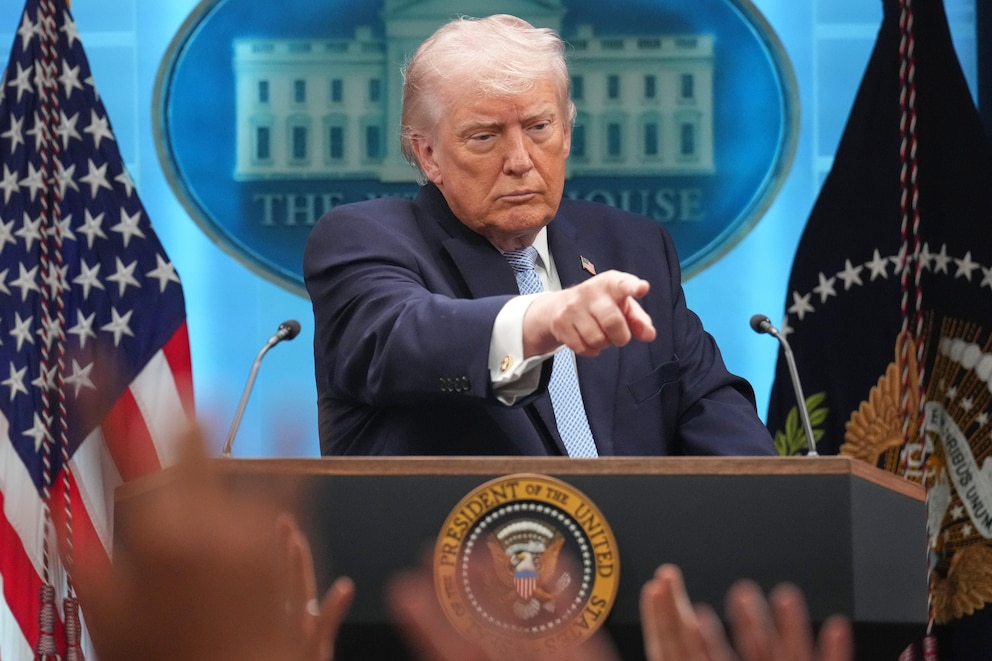
Just after 6:30 p.m. ET, Trump posted on his social media platform that he would suspend military attacks.
"Based on conversations with Prime Minister Shehbaz Sharif and Field Marshal Asim Munir, of Pakistan, and wherein they requested that I hold off the destructive force being sent tonight to Iran, and subject to the Islamic Republic of Iran agreeing to the COMPLETE, IMMEDIATE, and SAFE OPENING of the Strait of Hormuz, I agree to suspend the bombing and attack of Iran for a period of two week," he wrote.
"We received a 10 point proposal from Iran, and believe it is a workable basis on which to negotiate," Trump continued, referring to an Iranian counterproposal transmitted to negotiators after rejecting plans for a longer ceasefire on Monday. "Almost all of the various points of past contention have been agreed to between the United States and Iran, but a two-week period will allow the Agreement to be finalized and consummated."
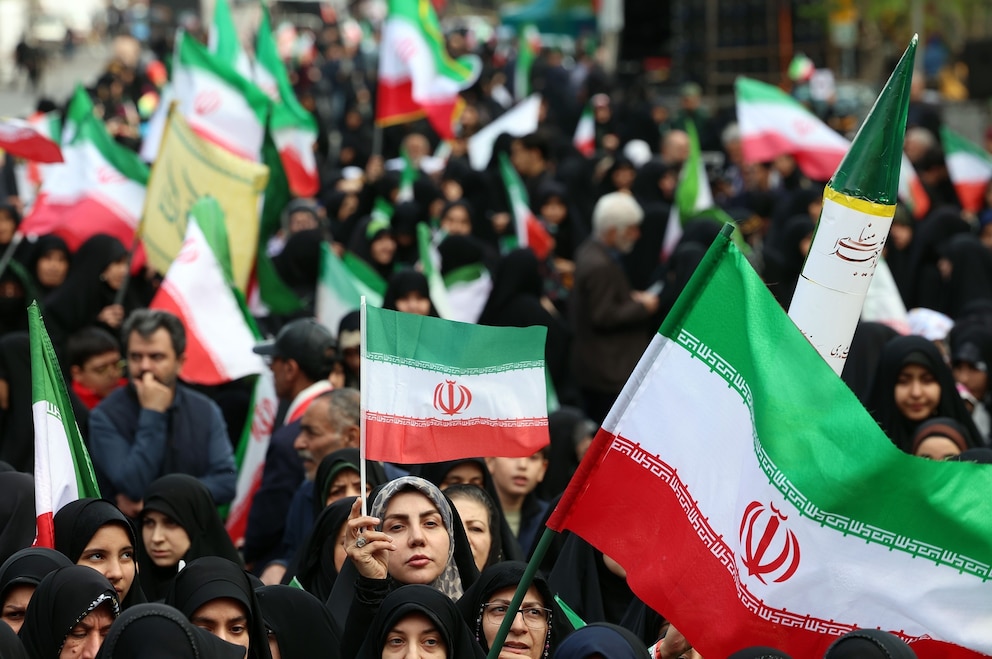
Within the hour, Iran's Supreme National Security Council claimed that the U.S. agreed to its plan which includes numerous concessions.
In a lengthy statement on Iranian state media, the council said the U.S. "committed in principle to non-aggression, continued Iranian control over the Strait of Hormuz, acceptance of enrichment, lifting of all primary and secondary sanctions."
Foreign Minister Seyed Abbas Araghchi, meanwhile, said Iran would agree to a ceasefire if attacks against it are halted. He also said passage through the Strait of Hormuz would be allowed during the two-week period if coordinated with Iran's armed forces.
The White House did not respond to specific questions Tuesday evening on whether the U.S. agreed to Iran's 10-point plan -- which includes lifting all primary and secondary sanctions and withdrawing combat troops from the region -- or what it made of Iran saying the Strait of Hormuz would open with coordination from Iran's military.
In response, White House press secretary Karoline Leavitt said in a statement:
"President Trump's words speak for themselves: this is a workable basis to negotiate, and those negotiations will continue. The truth is that President Trump and our powerful military got Iran to agree to reopening the Strait of Hormuz, and negotiations will continue."
Despite Trump calling Iran's counterproposal a "workable basis" for negotiations, it contains many terms the U.S. and the president himself have long rejected and was previously described by administration officials as "maximalist."
After the two-week ceasefire was announced, mediators began making arrangements to hold the first round of talks following the implementation of the ceasefire on Friday in Islamabad, but the White House said late Tuesday that it had not yet committed to any plans.
Before Sharif's proposal was made public, two U.S. officials cautioned that although talks showed signs of progress, the Trump administration and Iranian regime still appeared to be far apart on core issues, expressing doubt that a broad deal could be reached on such a tight timeline.
One U.S. official also said the dynamic proposed by Sharif mirrored confidence-building measures under discussion behind closed doors, but up until the president and Iranian authorities accepted the terms, it was unclear whether both sides could be brought on board.
Fully reopening the Strait of Hormuz is a top priority for U.S. officials, who indicated that any agreement with Iran would have to lead to near-immediate progress on that front.
Asked about the state of negotiations with Iran on Tuesday morning, Secretary of State Marco Rubio said he hoped "to have more news" later in the day and called Iran's control over the Strait of Hormuz "a big problem for the world."
"The whole world's been impacted unfortunately because Iran is violating every law known by striking commercial vessels in the Straits of Hormuz," he said. "I mean this is a regime that doesn't believe in laws, rules or anything like that -- it's a State Sponsor of Terrorism, so it's not surprising that they're now conducting terrorist activity against commercial vessels."
Iran sees the strait as equally important and has signaled publicly and in private negotiations that it is highly reluctant to agree to any terms that would see it losing leverage over the waterway.
Iran's counterproposal issued Monday stipulated that the country would fully open the Strait of Hormuz but set the rules for passage through the waterway and extract a toll of $2 million per vessel, a situation the Trump administration has repeatedly said would be untenable.