Trump pressed on Iran endgame as US naval blockade begins in Strait of Hormuz
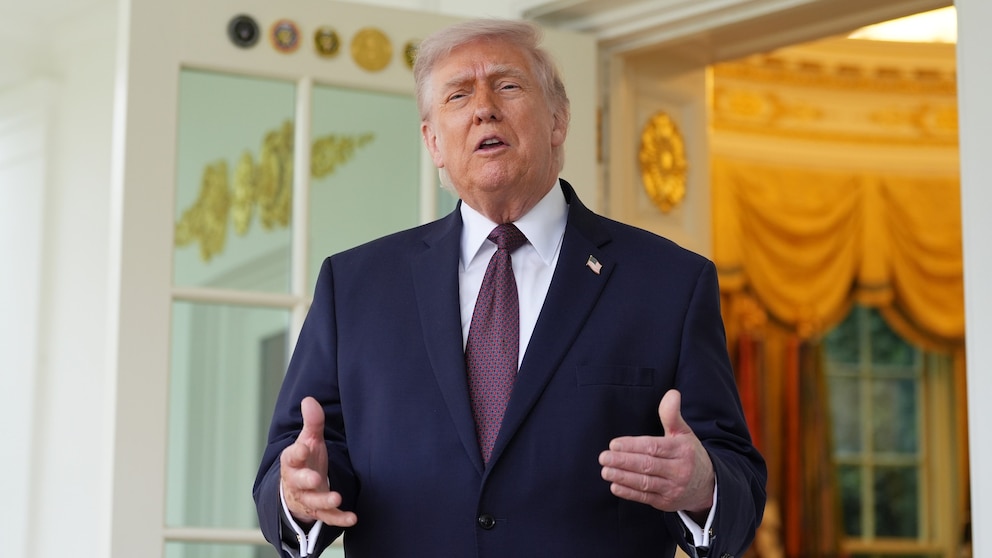
President Donald Trump said Monday that a U.S. naval blockade in the Strait of Hormuz has begun, a new development in the now seven-week war after peace talks failed over the weekend.
Taking questions from reporters outside the Oval Office, Trump was asked what he hoped to achieve from the U.S. blockade of Iranian ports: Is it to force Iran back to the negotiating table or to reopen the critical waterway and bring down oil prices?
"Maybe everything," Trump responded. "Both of those things, certainly, and more."
"We can't let a country blackmail or extort the world, because that's what they're doing," he continued. "They're really blackmailing the world. We're not going to let that happen."
Earlier Monday, Trump threatened any Iranian ships that come close to the new U.S. naval blockade of the Strait of Hormuz, writing they will be "ELIMINATED."
Trump said while Iran's navy has been "obliterated" by U.S. attacks, any smaller ships that near the U.S. barricade will be wiped out "using the same system of kill that we use against the drug dealers on boats at Sea."
"It is quick and brutal," Trump wrote in a post on his social media platform.
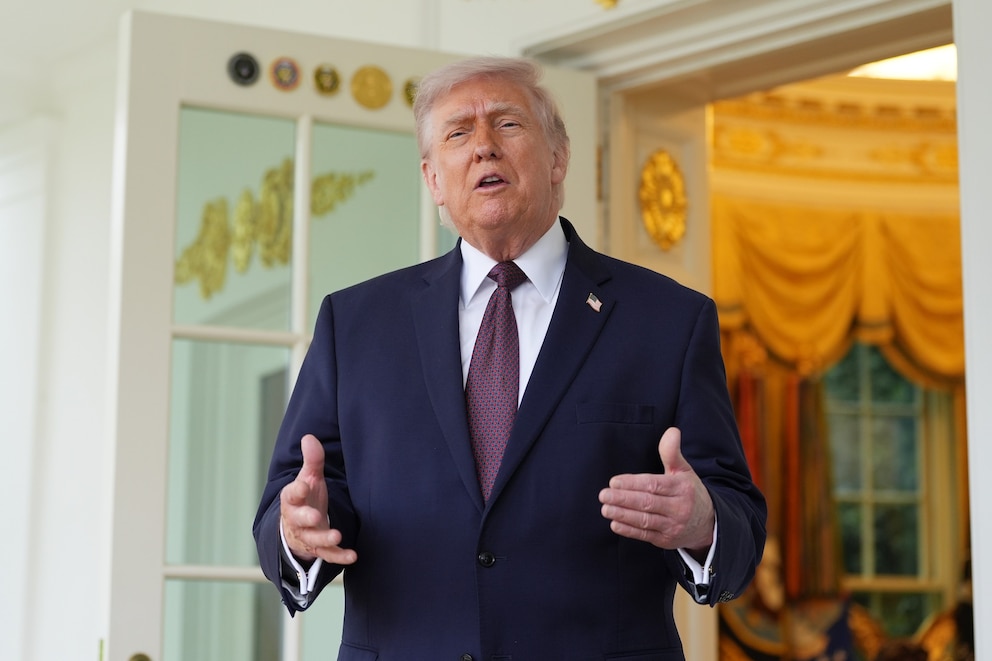
Iran has warned of consequences if the security of Iranian ports is threatened, with a spokesman for the country's joint military command saying "no port in the Persian Gulf and the Sea of Oman will be safe."
There are many outstanding questions about how the U.S. blockade will work and what impact it will have on the conflict.
Trump first said the U.S. would block "any and all Ships" trying to enter or leave the strait, through which roughly 20% of the world's oil and gas supplies typically passes.
U.S. Central Command, however, said the blockade will be enforced against any ships entering Iranian ports or coastal areas but clarified its forces "will not impede freedom of navigation for vessels transiting the Strait of Hormuz to and from non-Iranian ports."
Abroad, some U.S. allies have said they won’t back Trump’s Hormuz blockade.
"We're not supporting the blockade," British Prime Minister Keir Starmer told BBC radio in an interview Monday morning.
French President Emmanuel Macron said France and the U.K. will instead organize a "peaceful multinational mission" aimed at restoring freedom of navigation in the strait.
Trump on Monday was asked if he expected other countries to assist in the U.S. naval blockade.
"We don't need other countries, frankly. But they've offered their services," Trump said, though when asked Trump did not list any specific countries. "We'll let it be known, probably tomorrow."
At home, Trump faces potential political backlash over rising gas prices. Americans are now paying on average more than $4 for a gallon of gas, according to data from AAA.
Trump, in an interview with Fox News on Sunday, conceded that energy prices may not fall by the November midterm elections, and that they could even be "maybe a little bit higher."
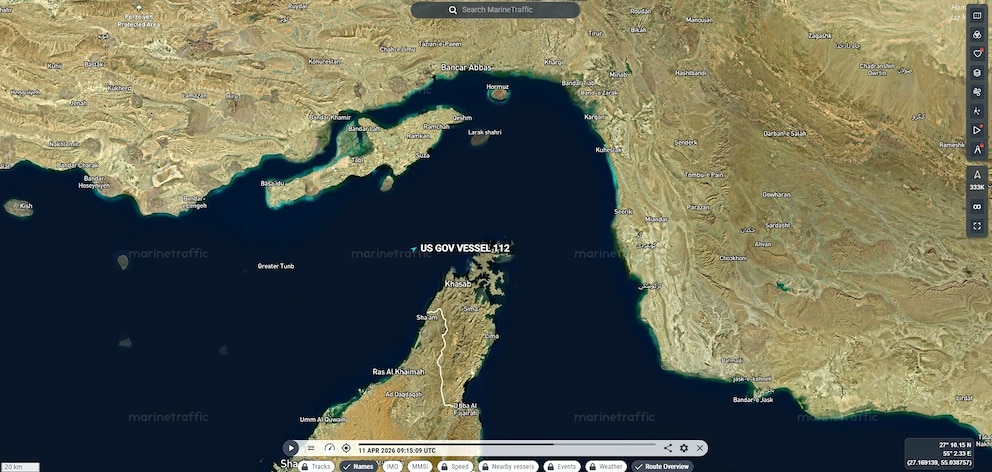
The U.S. naval blockade of the Strait of Hormuz comes after peace talks between the U.S. and Tehran in Islamabad on Saturday ended with no resolution. Vice President JD Vance, who led the U.S. delegation, said the U.S. needed a firm commitment from Iran that it would not seek a nuclear weapon.
Trump on Monday echoed that the sticking point was the enrichment question.
"Iran will not have a nuclear weapon," Trump said. "And we agreed to a lot of things, but they didn't agree to that. And I think they will agree to it. I'm almost sure of it. In fact, I am sure of it. If they don't agree, there's no deal. There'll never be a deal. Iran will not have a nuclear weapon."
Trump on Monday said the "right people" in Iran still want to reach an agreement.
"We've been called this morning by the right people, the appropriate people, and they want to work a deal," Trump said.
ABC News' Zoe Magee and Nicholas Kerr contributed to this report.