Trump vetoes resolution to end US involvement in Yemen
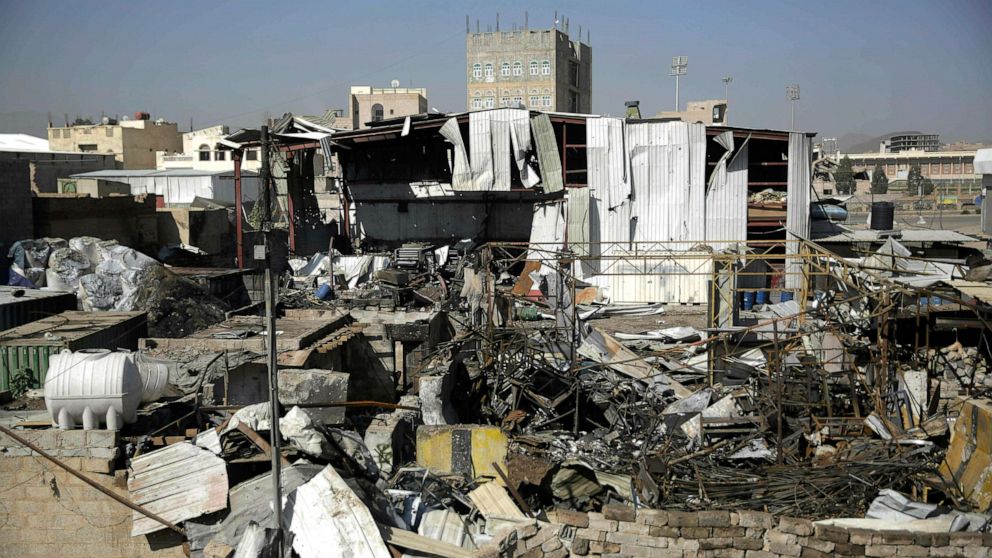
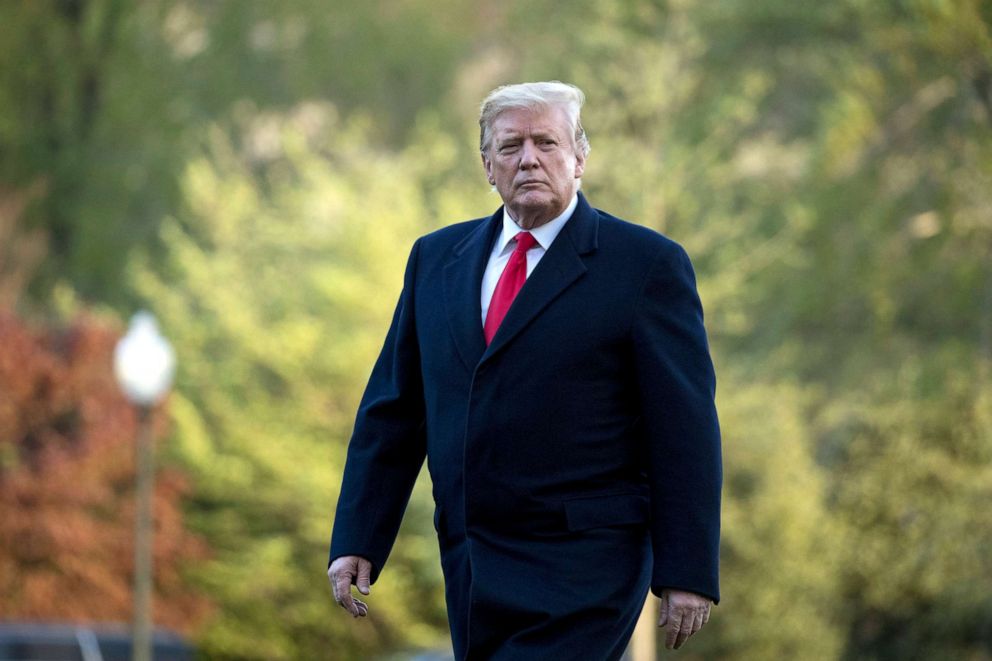
President Donald Trump has vetoed a resolution to stop U.S. military assistance to the Saudi- and Emirati-led campaign in Yemen.
In issuing the veto, Trump said, "This resolution is an unnecessary, dangerous attempt to weaken my constitutional authorities."
Earlier this month, Congress passed the War Powers Resolution to stop U.S. involvement in the foreign conflict, with several Republicans joining Democrats in large part to send a message about the Trump administration's unwavering support for the Saudis. The House approved the resolution on April 4, and the Senate passed the measure on March 13.
This is the second veto of Trump's presidency. Congress does not have the two-thirds majority in the House or Senate to override Trump's veto.
"The President has cynically chosen to contravene a bipartisan, bicameral vote of the Congress and perpetuate America’s shameful involvement in this heartbreaking crisis," House Speaker Nancy Pelosi, D-Calif., said in a statement Tuesday.
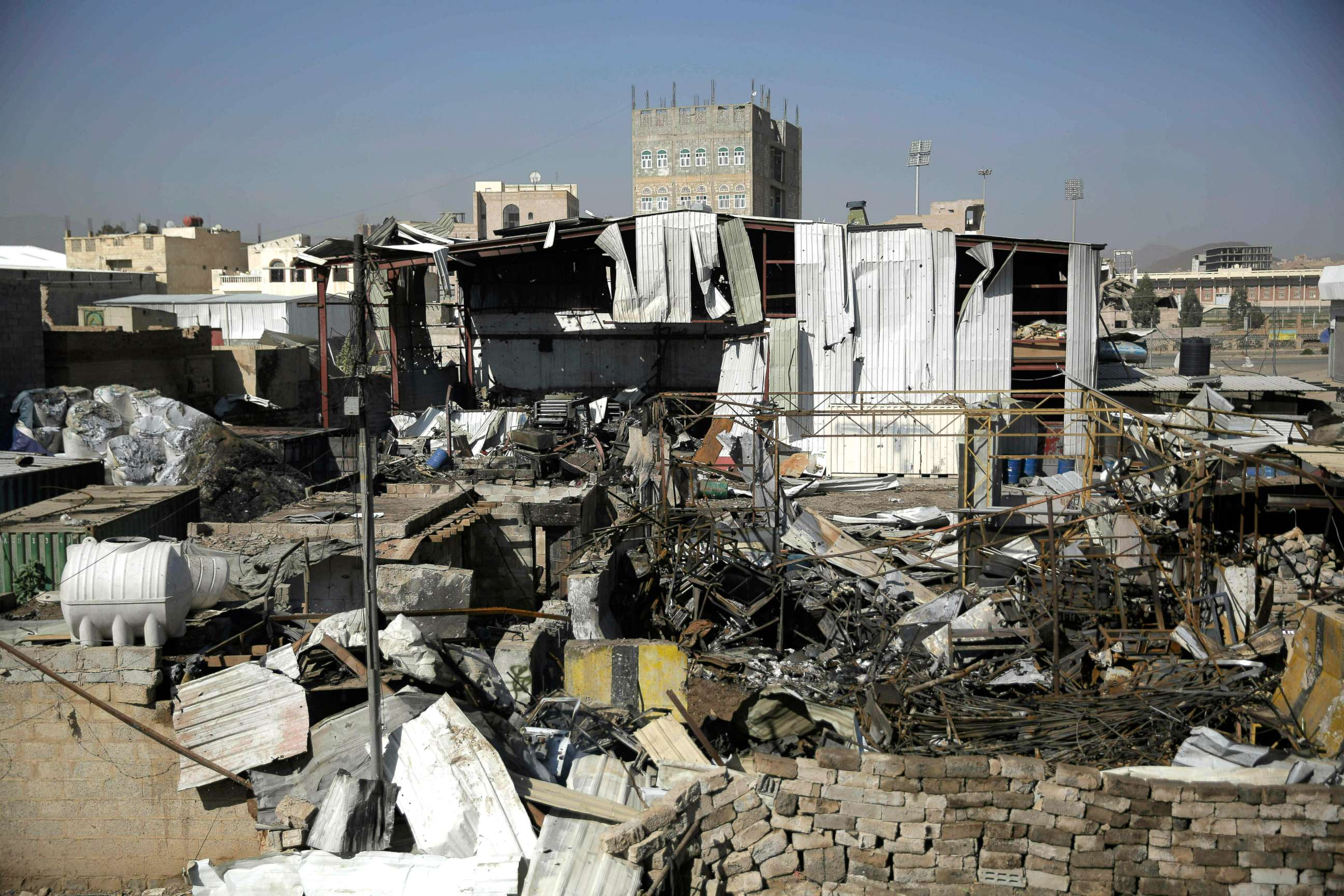
Under the constitution, Congress has the authority to declare war, but it has never used the War Powers Act of 1973 to pull back American forces from a conflict. Beginning under the Obama administration in 2015, the U.S. has assisted the Saudis and Emiratis with midair refueling, reconnaissance and surveillance, and targeting.
The Trump administration argued that the assistance did not constitute active engagement in the hostilities, which is why Trump called the resolution "unnecessary." Trump's veto statement also blasted the resolution as "dangerous" for imposing an "arbitrary" timeline on U.S. involvement and undermining his administration's "efforts to prevent civilian casualties and prevent the spread of terrorist organizations such as al-Qaeda in the Arabian Peninsula and ISIS."
But the resolution explicitly provided a carve-out for U.S. military action against those two terror groups, who operate in Yemen in the shadows of the civil war that has pitted the Saudi coalition-backed government against Houthi rebels, who have become increasingly supported by Iran.
Supporters of the resolution also argued that after years of conflict, U.S. withdrawal was not arbitrary, but a needed catalyst to push the Saudis to engage in peace talks.
"The people of Yemen and the parties to the conflict are watching closely and the messages U.S. leaders send have the power to save lives. With a veto, they lose faith in the United States and see the end to their suffering a little further out of reach," said Scott Paul, humanitarian policy lead for Oxfam America, an NGO that works in Yemen.
For years, Democrats in Congress had been joined by some Republicans in trying to pass a War Powers Resolution for Yemen, but similar measures were defeated in both chambers when Republicans were in charge. After the murder of Washington Post columnist and Saudi dissident Jamal Khashoggi, however, Republicans have grown increasingly concerned about Trump's close relationship with Saudi Arabia.
A broad bipartisan group passed the resolution for the first time in the Senate in December, with a vote again in this Congress once the measure passed the now-Democrat controlled House in February.
The conflict in Yemen has been ongoing for five years, killing thousands and triggering a massive famine. The United Nations has described the situation in Yemen as the world's most severe humanitarian crisis, with millions starving and facing diseases like cholera.
Despite the veto, the resolution's authors vowed to carry on their mission to end U.S. support for the Saudi- and Emirati-led coalition, and the veto could trigger more support for other legislation to penalize the Saudis for their role in the Yemen conflict and Khashoggi's murder.
ABC News' Jordyn Phelps and Benjamin Siegel contributed to this report.