What do Trump's recent trade agreements mean for the economy?
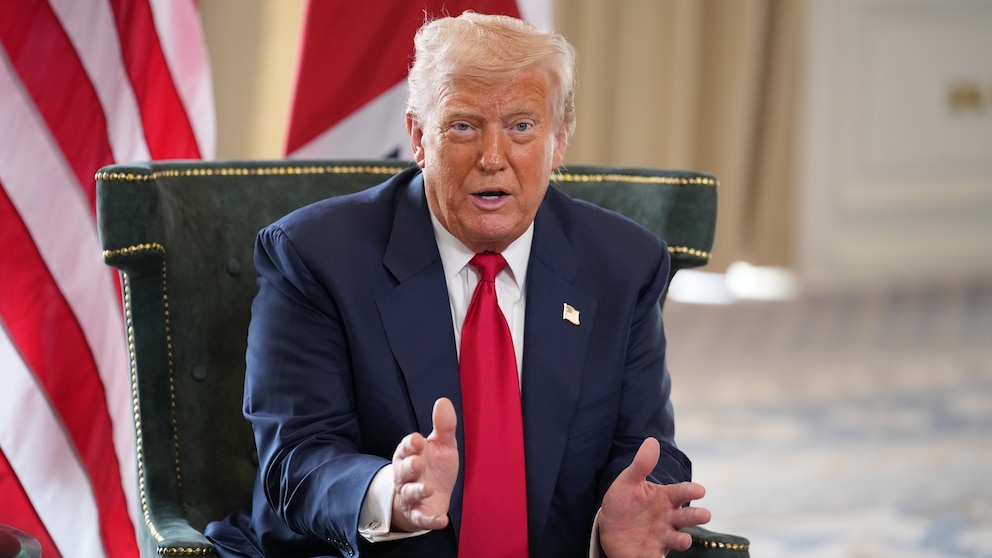
President Donald Trump has struck a series of trade agreements in recent weeks as the White House threatens tariffs on dozens of countries set to take effect Aug. 1.
In nearly every case, the trade accords set levies lower than a so-called "reciprocal tariffs" that would have otherwise taken effect on Friday. Most of the agreements, however, establish a tariff level above the previous 10% baseline.
The trade agreements lock in elevated tariffs for key trade partners, likely putting a mild drag on U.S. economic growth as importers bear tax payments and customers grapple with higher prices for some goods, analysts told ABC News.
But, they added, the agreements avert even higher potential tariffs and provide certainty for businesses and consumers as they navigate the tariff landscape better equipped to make financial decisions. That clarity could help ease possible economic pain, the analysts said.
"You can't say the agreements are all good or all bad," Campbell Harvey, a professor at Duke's Fuqua School of Business who studies commodity prices, told ABC News. "It's a mixture."
The Trump administration touts tariffs as part of a wider set of "America First economic policies," which have "sparked trillions of dollars in new investment in U.S. manufacturing, technology, and infrastructure," according to the White House's website.
For his part, the president has insisted that the on-again, off-again levies make up a key part of his negotiation strategy.
"The president and his trade team want to cut the best deals for the American people and the American worker," White House press secretary Karoline Leavitt said last month when she announced the Aug. 1 deadline.
When Trump delayed the onset of reciprocal tariffs in April, the White House vowed to strike 90 trade agreements in 90 days. Before that deadline elapsed, Trump proposed a flurry of similar country-specific tariffs with a new effective date of Aug. 1.
So far, Trump has brokered agreements with the United Kingdom, Indonesia, Vietnam, the Philippines, Japan and the European Union. The White House also reached a preliminary accord with China that lowered tit-for-tat tariffs previously imposed by the world's two largest economies.
The trade agreement with the European Union, for instance, lowers the tariff rate on European products to 15%, putting it below the threatened rate of 30% but higher than a universal rate of 10% faced by nearly all imports.
Similarly, the accord with Japan lowers tariffs on such imports from a threatened rate of 25% to 15%.
While the trade agreements averted sky-high levies, the ultimate tariff levels remain well above where they stood before Trump took office, Jason Miller, a professor of supply chain management at Michigan State University, told ABC News.
The elevated tariffs will result in slower economic growth than the U.S. would have experienced in the absence of the levies, Miller said, noting the tariffs would raise the prices of imported consumer goods and hike the costs of raw imports used in domestic manufacturing.
"We have these tariffs settling in at higher rates than where they were at before," Miller said.
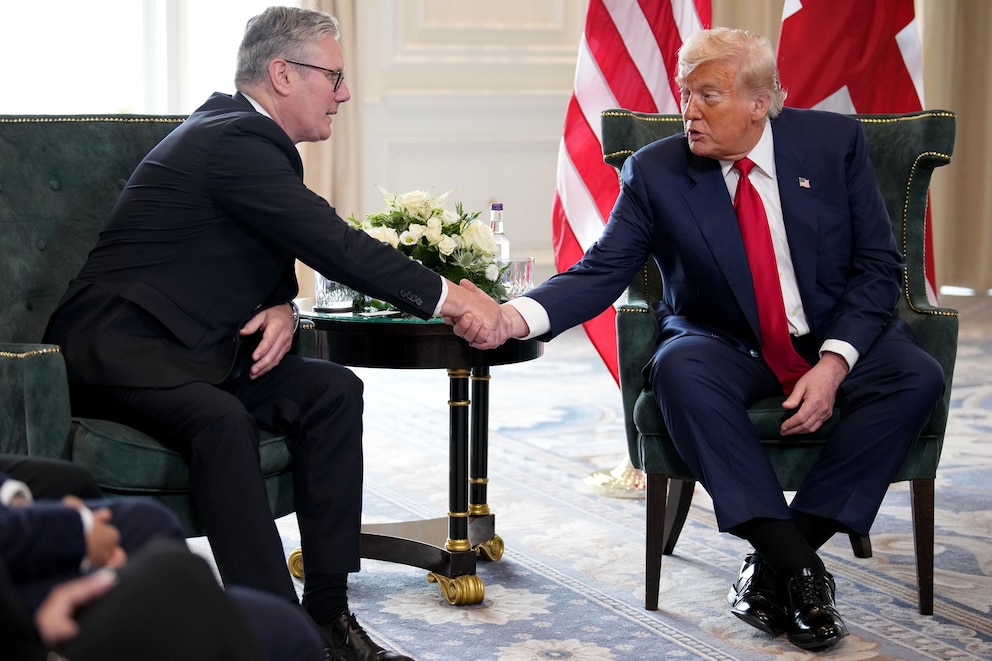
Analysts also cautioned about the potential for a modest increase in inflation as a result of Trump's trade agreements.
The U.S. economy so far has defied analysts' fears of a large, tariff-induced price spike. Still, price hikes could escalate in the coming months due to a combination of additional tariffs and a waning capacity for importers to swallow the cost of levies, some analysts previously told ABC News.
The price level from all tariffs enacted so far this year – including recent trade agreements – amounts to an expected average income loss of $2,400 per U.S. household in 2025, the Yale Budget Lab said on Monday.
"There are some indications that we're beginning to see price pressures, but not as much as most economists expected," said Stephan Weiler, a professor of economics at Colorado State University and a former Fed research officer. "The U.S. consumer has been resilient."
To be sure, the trade agreements established so far cover a fraction of the scores of nations targeted by Trump tariffs. A slew of top trade partners remain without a trade agreement, including Mexico, Canada and China.
"Keep in mind, the vast majority of countries don't have a trade deal yet," Weiler said.
Still, the trade accords will offer businesses and companies a degree of certainty, allowing them to move forward with long-term financial decisions that could help generate economic activity, some analysts said.
"There's a clear negative where you've got an increase in taxes. On the other side, there is a reduction in uncertainty – and that's very important for the economy," Harvey said.
Harvey cited recent stock market records as evidence of renewed confidence in investors as they assess the future trajectory of tariffs.
The rally on Wall Street marks a significant turnaround from a $3.1 trillion wipeout of value on the major stock indexes in the first trading session after Trump's "Liberation Day" tariff announcement in April.
"People were expecting the worst," Harvey said. "These agreements seem likely relatively good news compared to what was expected."