New Twist in Case of NY Woman Accused of Fiance's Kayak Murder
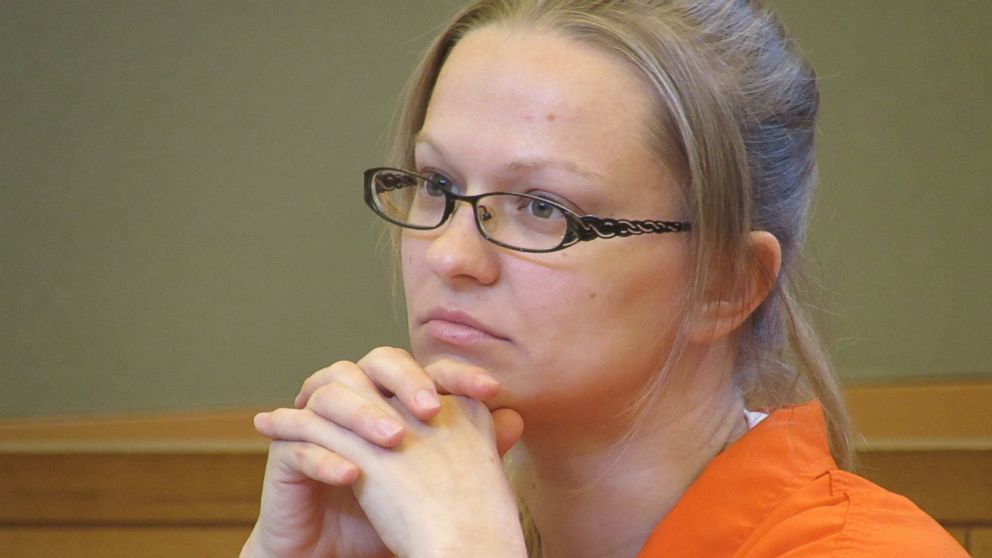
— -- A state police investigator has testified that Angelika Graswald, the woman accused of murdering her fiance during a kayak trip on the Hudson River last year, told him that she took her fiance’s paddle after he capsized and held it while he begged her to call 911.
The detective also testified that Graswald said she felt “trapped” by her fiance and “wanted to be free” from his demands of sex with him and another woman.
The detective’s testimony came during a pre-trial hearing on whether statements Graswald made to police can be used during her upcoming trial. It is the latest twist in the case against Graswald, 36, who is charged with second-degree murder and second-degree manslaughter for the death of her fiancé, 46-year-old Vince Viafore.
Viafore’s boat capsized and disappeared while he and Graswald were kayaking on the Hudson River in April 2015. Graswald was arrested and charged a few weeks later, and Viafore's body was recovered on May 23, 2015.
Prosecutors claim Graswald removed a plug from Viafore's kayak, causing the kayak to take on water and sink. There is no forensic evidence in the case and no eyewitnesses.
Graswald has pleaded not guilty to both the charges against her.
Another police investigator testified in court on June 6 that Graswald told a detective in an April 29, 2015, meeting on Bannermann's Island — the spot where Graswald was rescued after Viafore disappeared — that there was a plug on Viafore’s kayak and that she had taken it out.
Graswald was not read her Miranda rights prior to the 45-minute, unrecorded conversation she had with detectives on the island. Police allege Graswald became a suspect only after that meeting.
In a separate, nearly 12-hour taped interrogation by police 10 days after Viafore disappeared, Graswald repeatedly denied killing her fiance and said her desperate calls to 911 were real. Graswald was read her Miranda rights before the interrogation.
Graswald also said during that interrogation, which she punctuated with yoga and hopscotch, that she was “OK” with Viafore’s death and “wanted him dead.”
Graswald told ABC News’ Elizabeth Vargas in a November 2015 jailhouse interview that she was at her “breaking point” during the taped interrogation.
"Well they kept me asking me the same questions like a hundred times. I knew that I was innocent," Graswald told Vargas. "I was at my breaking point. I just, I had it so I just gave 'em what they wanted."
She also denied in the interview that she removed the plug from Viafore’s kayak with the intent to kill him, saying, “No, I did not.”
Graswald's attorney, Richard Portale, said in a court hearing Tuesday that Graswald may have miscarried a baby during an interrogation. He also claimed that his client asked investigators who "Miranda" was after she was read her Miranda rights, according to The Associated Press.
The judge, who has issued a gag order in the case, is now preparing to rule on whether Graswald’s comments to the investigators who testified in the pre-trial hearing will be admissible in court.
ABC News' legal analyst Dan Abrams said today on "Good Morning America" he believes the case against Graswald rests on whether or not the judge allows the statements made by investigators into the trial.
"I think even the prosecutors would concede if they can’t get in these statements, they have no case," Abram said.
"You have a police officer basically saying, ‘Here’s what she said to me. She basically told me she did it. She told me why she did it,'" Abrams explained. "But then when you get her on the interrogation tape, she’s not saying the sorts of things that the police officer is saying that she said the first time.”
ABC News' Emily Shapiro and Jenn Leong contributed to this report.