Unemployment rate at 11.1% in June, another 1.4 million workers filed jobless claims last week
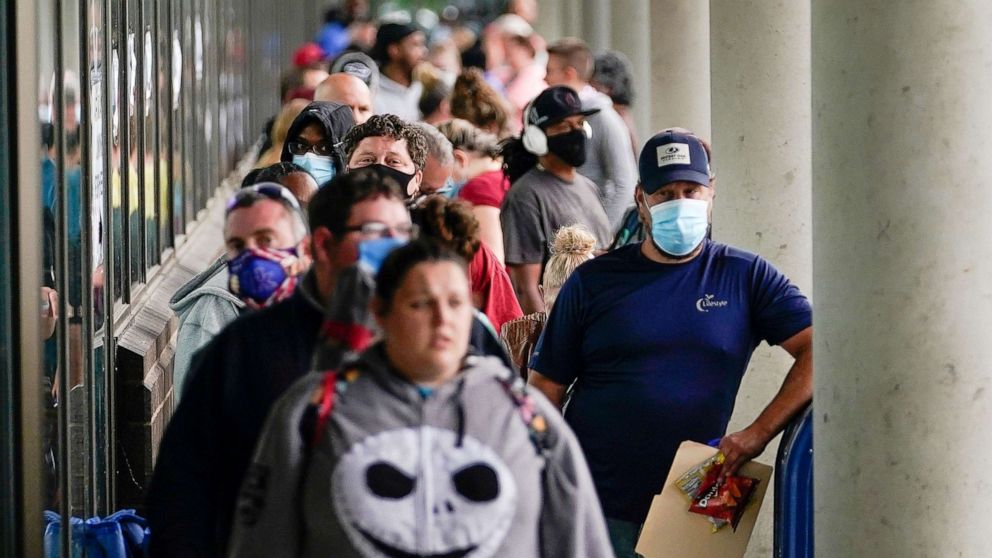

The unemployment rate in the U.S. fell slightly to 11.1% in June, according to data released Thursday by the Department of Labor. Meanwhile, another 1.4 million workers filed for unemployment insurance in the last week.
The reports highlight the ongoing anguish in the labor market some three months into the novel coronavirus pandemic in the U.S.
While the June jobs report shows some gains -- employment rose by 4.8 million last month -- economists have expressed concerns it might not accurately represent the current employment climate.
Seth Harris, the former acting secretary of labor in the Obama administration, told ABC News the June jobs report does not yet take into account the decision by states to pause their reopening plans.
"The important thing to remember is that these numbers, the monthly jobs report numbers, are from several weeks ago so they do not capture the reclosings that are happening in California, Arizona, Texas, Florida and other states," he said. "They also don’t capture the fact that there is continuing layoffs."
The unemployment rate was 10.1% for Whites, 15.4% for Blacks, 14.% for Hispanics and 13.8% for Asians, according to the Bureau of Labor Statistics.
The job gains in June "reflect a partial resumption of economic activity that had been curtailed due to the coronavirus pandemic in April and March, when employment fell by a total of 22.2 million in the 2 months combined," the BLS said in its release.
Some of the biggest job gains last month occurred in the leisure and hospitality industry (which saw an increase of 2.1 million jobs), the retail industry (an uptick of 740,000 jobs) and the education and health services sector (where jobs rose by 568,000).
Despite these gains, employment in food and drinking services is still down by 3.1 million since February. Manufacturing employment rose by 356,000 last month, but 757,000 sector jobs have been lost since February.
"We are going to have some cognitive dissonance, often people look to the jobs report as an indicator of where we are going, but this jobs report more than anything is going to be a reminder of where we were and where we might have gone," Harris said. "But now the economy and the pandemic are heading in the opposite direction."
As states have begun reopening their economies and easing some pandemic restrictions in recent weeks, many have reported startling jumps in COVID-19 cases, Harris noted.
"The jobs report is going to be a piece of nostalgia from the world of three weeks ago, but we are in a different world today, which will be reflected in terms of the unemployment numbers," he said.
Meanwhile, the new unemployment numbers from the Labor Department represent an "unfathomably high number of layoffs, particularly 15 weeks into an economic downturn," Harris said.

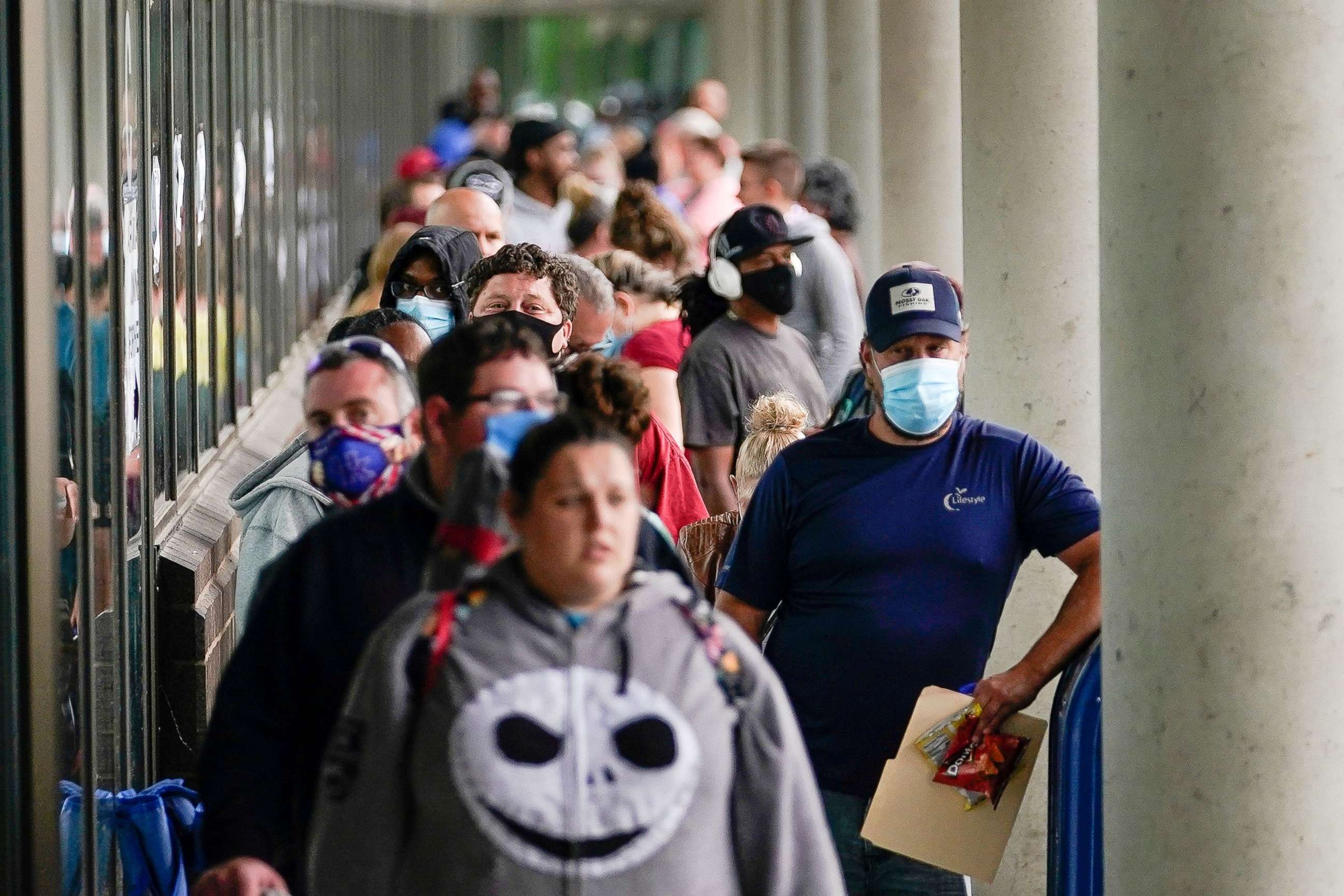
The number of new unemployment filings from the Department of Labor has leveled off since peaking at nearly 7 million in late March. Still, they have been in the millions each week for over three months, shattering historical records. Prior to the COVID-19 crisis, the record for weekly unemployment filings was 695,000 in 1982.
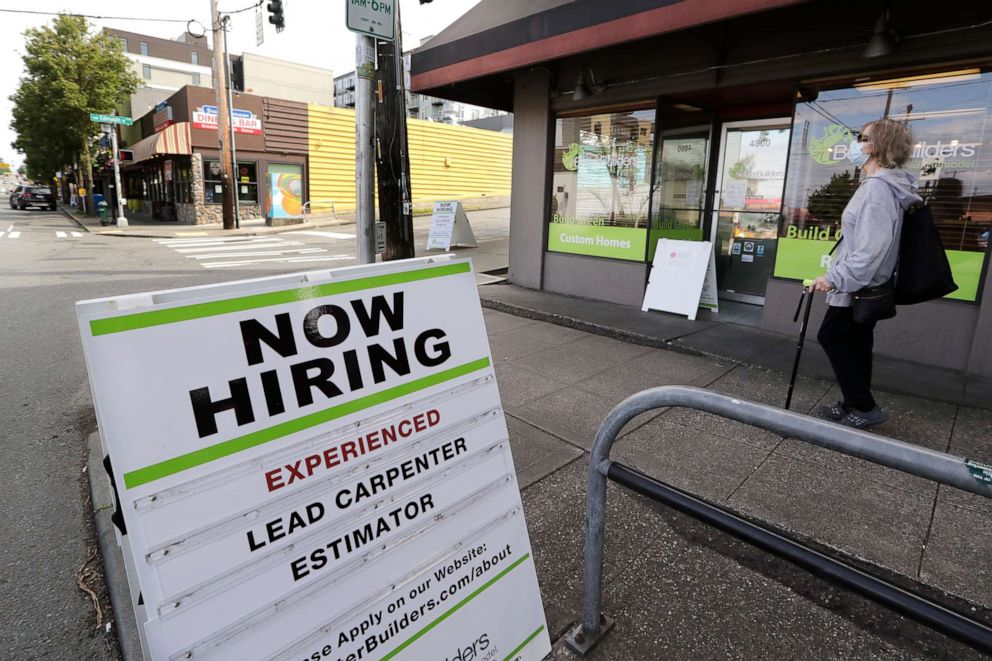
At this point in the pandemic and in the absence of a vaccine, "I think it's laughable to call it either a V-shape or a W-shaped recovery," Harris noted.
"The economy is quite volatile and it is driven by forces other than the strength of the underlying economy; as a consequence of that, it is quite difficult to predict," he said.
He added, "We are looking at a long, slow recovery."