The US just had its warmest March ever, by a historic margin
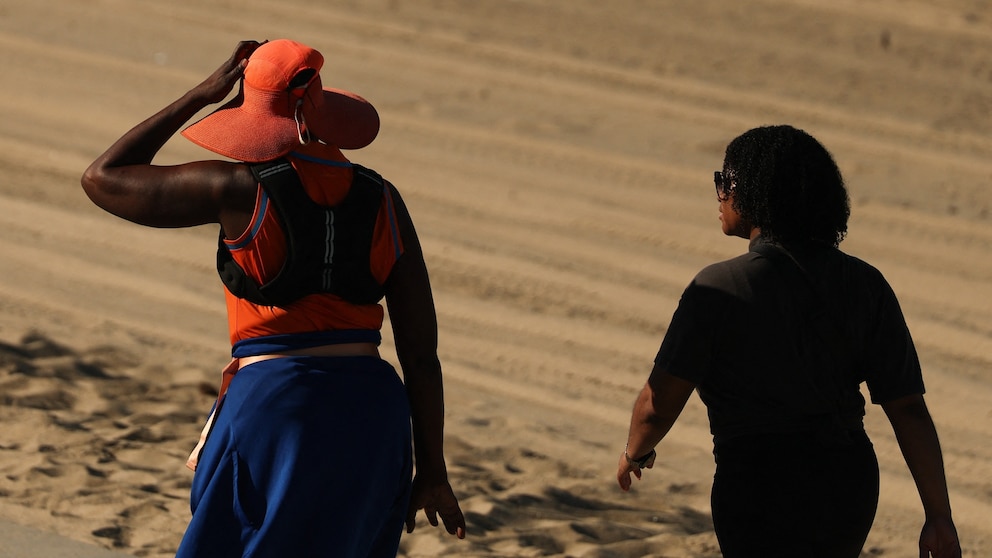
March 2026 was a historic month for temperatures in the United States, fueled by an extraordinary and prolonged heat wave that shattered temperature records across much of the West, according to a new report released by the National Oceanic and Atmospheric Administration (NOAA).
Last month not only shattered the previous March record set in 2012, but it also marked the first time any month has exceeded the long-term average by more than 9 degrees Fahrenheit.
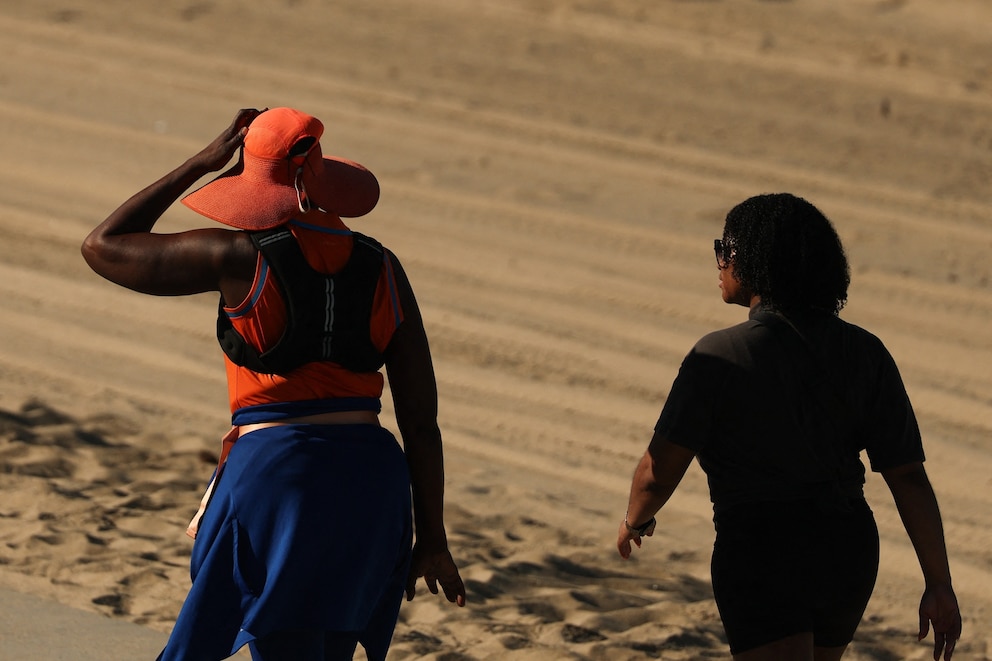
Daily record highs were widespread and persistent, especially in the Southwest, where some locations saw over 12 record-setting days. Around one-third of the population, 130 million Americans, saw their single-warmest March day on record.
Remarkably, 10 states recorded their warmest March on record: Arizona, California, Colorado, Idaho, Nevada, New Mexico, Oklahoma, Texas, Utah and Wyoming.
Several major cities in the West and Southern Plains also experienced their warmest March on record, many of them by a wide margin, including Dallas, San Antonio, Oklahoma City, Albuquerque, Denver, Salt Lake City, Phoenix, Las Vegas, San Francisco and Los Angeles.
Phoenix, Arizona, experienced nine 100 degrees Fahrenheit or greater days in March. Previously, the city had only experienced one triple-digit day in March since records began in 1895.
Human-amplified climate change is increasing the frequency and intensity of extreme heat events, according to the Fifth National Climate Assessment. It is also causing seasonal shifts, including milder, shorter winter seasons and spring warmth beginning earlier.
For much of the country, March was not only exceptionally warm but exceptionally dry, ranking as the driest March since 2013 across the Lower 48. However, unusually dry conditions have plagued many areas since the start of the year and beyond, with January to March 2026 also ranking as the driest on record.
According to the latest U.S. Drought Monitor report released on April 2, nearly 60% of the contiguous U.S. is experiencing drought conditions, an increase of about 5% from the beginning of March. The Lower 48 now has the largest extent of drought since November 2022.
Widespread, persistent drier-than-average conditions in March led to drought expansion and intensification across parts of the country.
Drought conditions worsened significantly in Nebraska last month, contributing to the state's largest wildfire on record. The Morrill Fire scorched more than 640,000 acres. Florida is enduring its worst drought in 25 years, according to the National Integrated Drought Information System, with the dry conditions contributing to a heightened risk of wildfires this spring and prompting water restrictions in parts of the state.
In the western United States, well-above-average temperatures occurred during periods of well-below-average precipitation, which has had dramatic impacts on seasonal snowpack and water resources. With mountain snowpack sharply reduced, the region’s water supplies are facing mounting challenges and wildfire risk is elevated earlier than usual.
The Colorado River provides water for more than 40 million people and fuels hydropower resources in seven states: California, Arizona, Nevada, Colorado, New Mexico, Utah and Wyoming, according to the Bureau of Reclamation. Major reservoirs in the Colorado River Basin remain well below average, the agency’s latest data shows, heightening concerns about water availability across the region.
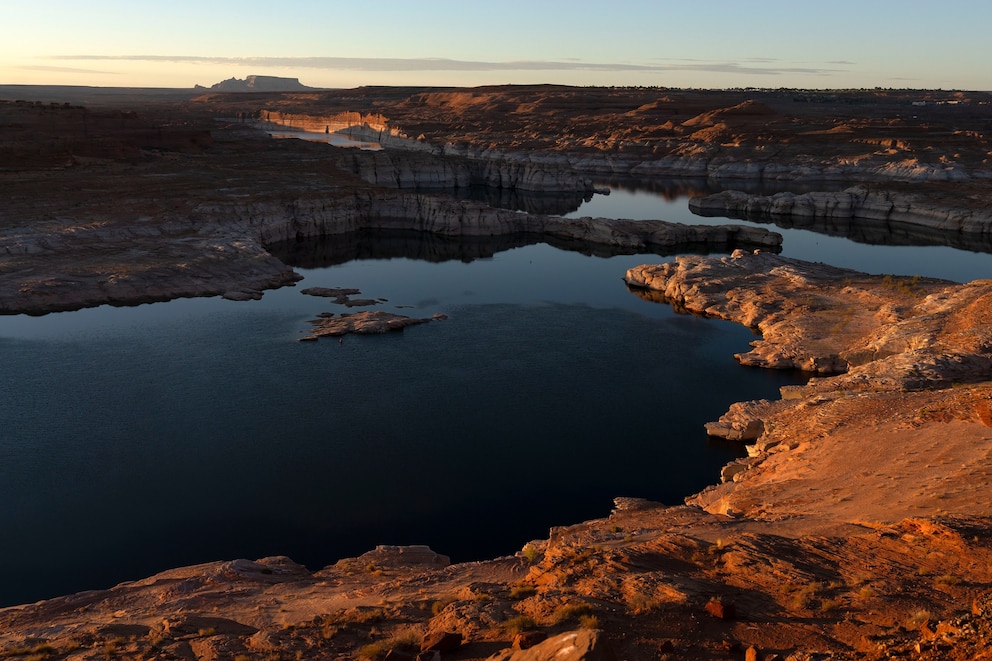
Lake Powell, the second-largest reservoir in the United States, is one of them. Water levels have dropped more than 10 feet so far this year and are forecast to continue a gradual decline through the months ahead. Despite the recent drop, the reservoir remains more than 8 feet above its record low set in April 2023. However, current projections suggest that level could be approached, or even challenged again, by late summer if dry conditions persist.
Over the next two weeks, NOAA’s Climate Prediction Center says there is an increased likelihood of near- to above-average precipitation across a large portion of the country, including much of the West, Midwest and South. Near- to below-average precipitation is more likely along the East Coast.
The outlook also indicates an increased probability of above-average temperatures across much of the nation, with the highest chances along the East Coast and in the South.