US marks 6 months of war with Iran. Here's what it means for Americans and what's ahead
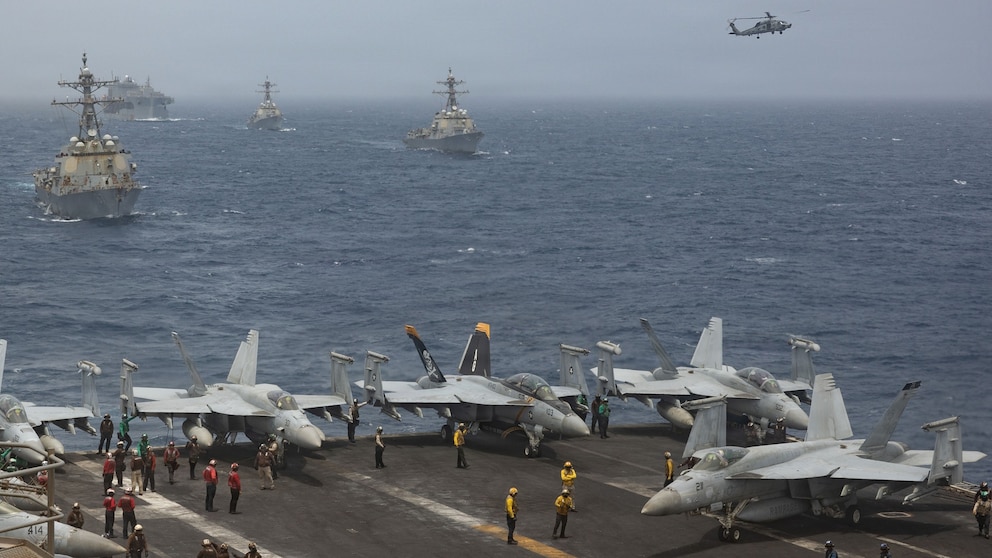
When the U.S. and Israel launched attacks on Iran early this year, President Donald Trump said the war would last four to five weeks. Friday marks six months of conflict. Iran has expanded the war to several Gulf states and appears to have drawn the U.S. into yet another quagmire in the Middle East.
Here's a look back at major developments over the past six months of war and what could come next.
How did it start?
The war began on Feb. 28 when the U.S. and Israel launched strikes that took out much of Iran’s leadership and damaged key Iranian military sites.
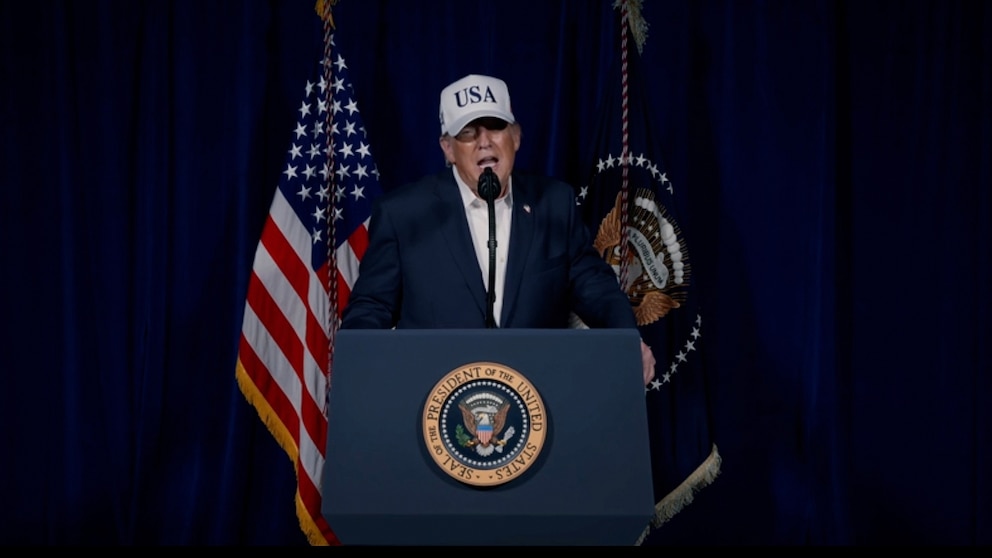
Speaking to the American people on the first day of attacks, Trump said war was meant to "defend the American people by eliminating imminent threats from the Iranian regime," which he said included its continued pursuit of a nuclear weapon.
Months earlier, in June of 2025, the U.S. conducted penetrating strikes on Iran’s underground nuclear facilities during Operation Midnight Hammer. The administration claimed at the time that Iran’s nuclear program had been “obliterated,” but would later acknowledge that enriched uranium to build a bomb still remained in Iran.
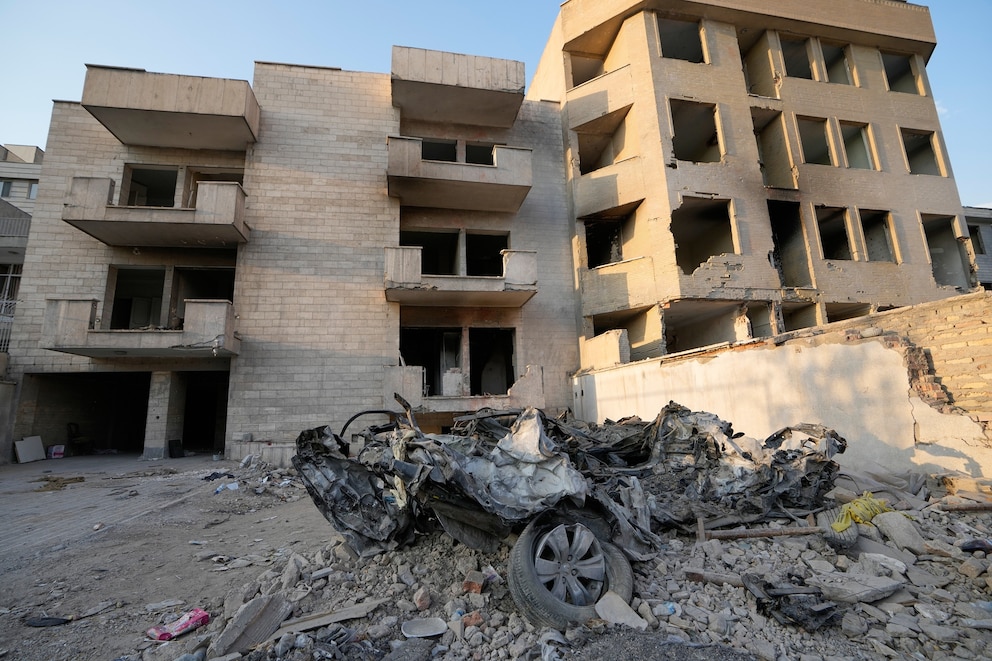
The opening days of the war were marked by a deadly airstrike on an all-girls school in southern Iran. Roughly 160 civilians, 120 of them schoolchildren, were killed. Iran has blamed the United States and Israel, but neither has assumed responsibility.
U.S. Central Command has said that it is investigating the bombing, saying the U.S. will "never" target civilians. International law prohibits the deliberate targeting of schools and universities during armed conflicts. The investigations is ongoing with few updates.
Iran retaliated immediately by attacking American bases in Bahrain, Kuwait, Jordan and Iraq on a scale not seen since the Vietnam War. It was able to strike vulnerable U.S. interests near the Persian Gulf using missiles and low-cost, one-way attack drones.
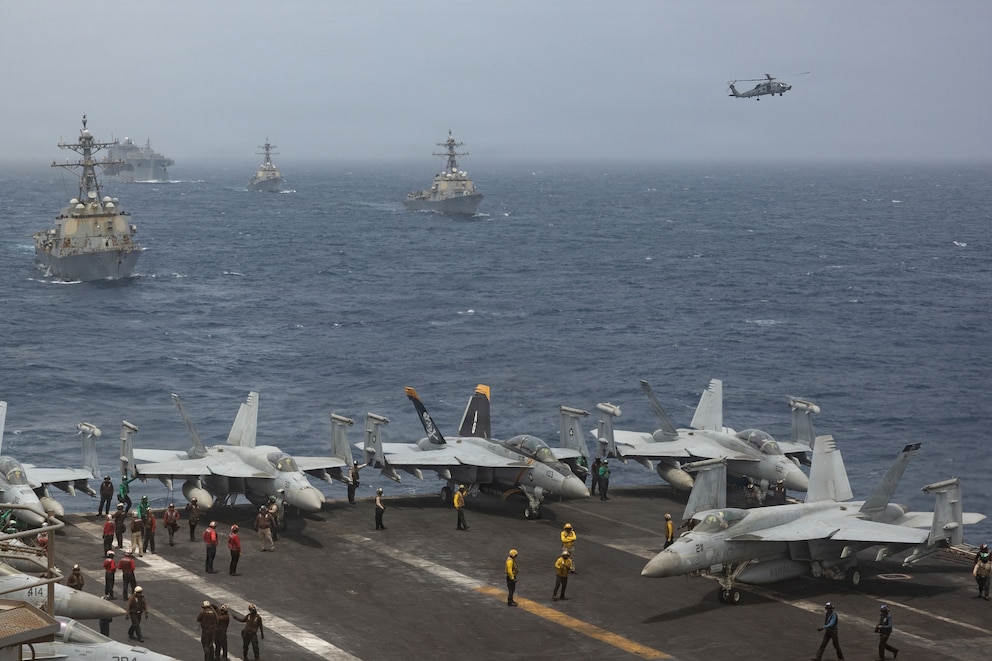
For months, both sides traded blows. In all, U.S. Central Command, which oversees forces in the Middle East, says it has hit more than 13,000 Iranian targets, which include military headquarters, naval ships, air defense systems and drone launch sites.
But Iran’s most consequential response came at sea when it shut down commercial traffic through the Strait of Hormuz, turning the waterway into a household name almost overnight. The blockade choked one of the world’s most important shipping lanes and Iran dictated where the war’s frontline would be, rattling the global economy.
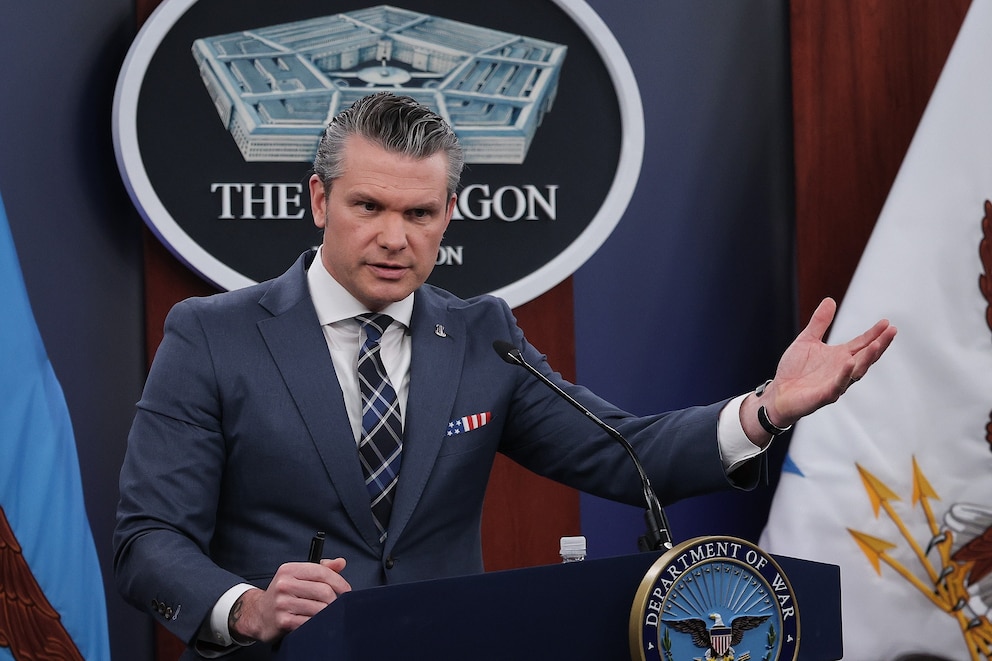
In early March, Defense Secretary Pete Hegseth told reporters Iran was displaying “sheer desperation” in the strait and said “we have been dealing with it, and don’t need to worry about it.”
Six months later, the goalposts appear to have shifted. Blunting the economic fallout and reopening the strait has become central to the mission.
The cost of war
Since the start of the war, 18 U.S. service members have died and more than 750 have been wounded. Trump has attended three dignified transfer ceremonies to honor the lives of service members lost since the war began -- two in March and one in July. He told reporters at the time it’s “one of the hardest things to do as a president.”
Beyond the sacrifice of American lives, American households have faced higher costs.
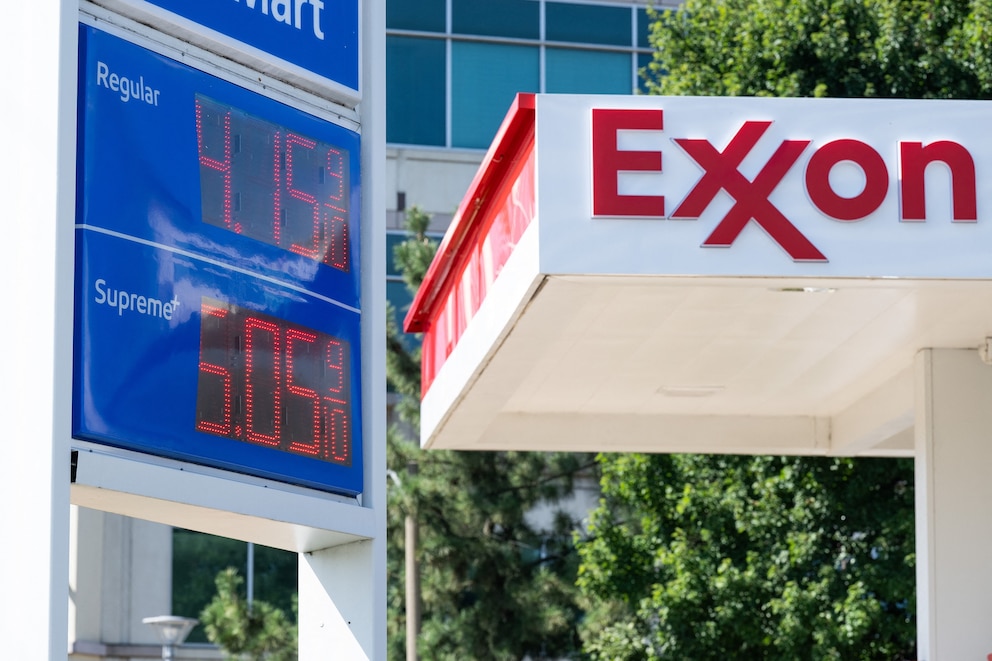
Six months in, global oil prices are up about 25% and the average gallon of gas nationwide hovers over $4 -- about a dollar more than before the war, according to GasBuddy. A Brown University energy cost tracker estimates that the average American has spent nearly $700 more in fuel prices since the war began.
The president, for his part, has brushed off the concerns of rising prices, saying of oil prices at the White House in May that it’s a “very small price to pay for getting rid of a nuclear weapon from people that are really mentally deranged.”
Trump also said in May that Americans' financial situation was "not even a little bit" of a motivating factor for him reaching a deal to end the war in Iran.
"The only thing that matters when I'm talking about Iran, they can't have a nuclear weapon," Trump said. "I don't think about Americans' financial situation. I don't think about anybody. I think about one thing: we cannot let Iran have a nuclear weapon. That’s all."
The president has also insisted that once the conflict ends, oil prices will "drop like a rock."
But the war is also costing the American taxpayer. Hegseth told lawmakers this summer that the latest estimate for the cost of the war is more than $37.5 billion. Additionally, the Defense Department is asking Congress for an additional $67.1 billion for spending this year, attributing much of that demand to the war in Iran.
In April, the White House also asked Congress for a record-breaking $1.5 trillion in defense spending as part of their annual budget request for the 2027 fiscal year. The White House's request for a 42% increase in the military budget included a pay raise for troops, building more ships and a rapid procurement of 12 “critical munitions," among other things.
War politics
Polls show the Iran war is extremely unpopular.
A Reuters/Ipsos poll conducted in late August found just 31% of Americans approve of U.S. military strikes against Iran, down from 37% in March. The share of Republicans supporting the war was 69%, down from 77% in March. Wide majorities of Democrats (90%) and independents (67%) disapprove of U.S. military action in Iran.
The Reuters/Ipsos poll found that only 25% of Americans approved of how Trump was handling Iran; 63% disapproved, including majorities of Democrats and independents along with 28% of Republicans.
Even among congressional Republicans, who for the most part support Trump’s war, there is growing anxiety that the war will hurt them in the midterm election less than three months away.
Asked about Iran, House Speaker Mike Johnson told reporters in late July that the U.S. has "got to wrap it up," adding that an end to the war before the midterms would be "helpful."
Since the start of this war, the president has claimed frequently that it was nearing a conclusion, only to see deals fall apart and fighting resume. And on at least seven occasions, Trump has made threats of major military escalation (including a threat that Iran’s entire civilization would die) only to fall back on talks that have yet to bear fruit.
Six months in, the talks are at a standstill.
Trump's overall approval rating has hit record lows. The August Reuters/Ipsos poll found Trump’s approval rating at 33%, tying a record low in Reuters/Ipsos polling over both of Trump’s terms. The poll found that 65% of Americans disapproved of Trump.
How does it end?
Despite his early prediction the war would last no more than four to five weeks, the president, as recently as this week, said he’s in “no rush.”
The U.S. hasn’t waged large-scale military attacks on Iran in nearly a month. Instead, the strategy is shifting back to the economic pressures Trump employed before the attacks began.
"We are low-keying it," Trump explained to Axios earlier this month.
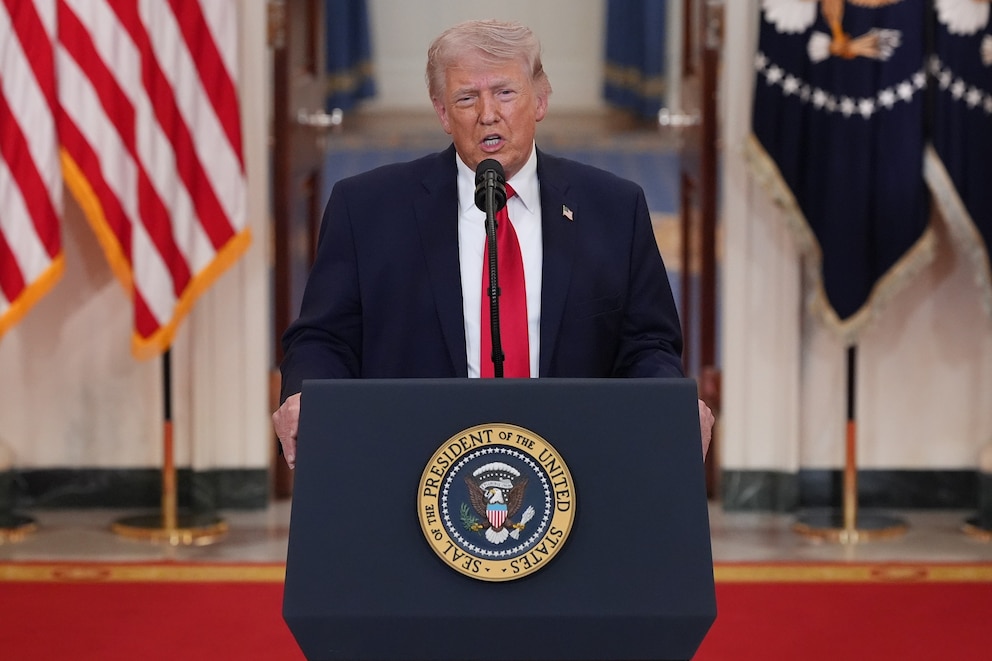
In addition to enforcing a blockade of Iranian ports, this week, the administration threatened to severely sanction any country that does business with Iran.
The president has likened it to an "economic D-Day," but so far, the rollout has been slow. Treasury Secretary Scott Bessent has promised a “cure period” for entities still doing business with Iran, while declining to set any firm deadlines or call out the country’s biggest trading partner -- China -- by name.
Still, Bessent insists this round of economic coercion is the “beginning of the endgame” with Iran.
The White House has repeatedly said the president’s first choice is always diplomacy. The last several months have seen multiple rounds of technical discussions and head-to-head negotiations, including the Islamabad talks in April -- the first high-level meeting between U.S. and Iranian delegations since the days of the Shah.
Those hundreds of hours of bargaining spread across months of back-and-forth negotiations eventually yielded a memorandum of understanding that was signed by the presidents of both countries in mid-June. The 14-point document was supposed to be a pathway to a comprehensive nuclear deal, but both sides accused each other of violating the truce within a week -- eventually setting off a renewed spiral of escalation that prompted Trump to declare it officially dead just 22 days after it came into force.
Consultations with mediating powers continue at a regular clip, with negotiators from the U.S. and Iran swapping the occasional messages, U.S. officials tell ABC News. But progress is stagnant and hope that the two sides can reach any deal --much less a lasting nuclear agreement -- has reached an apparent low point.