US mission in Afghanistan a failure: Government watchdog
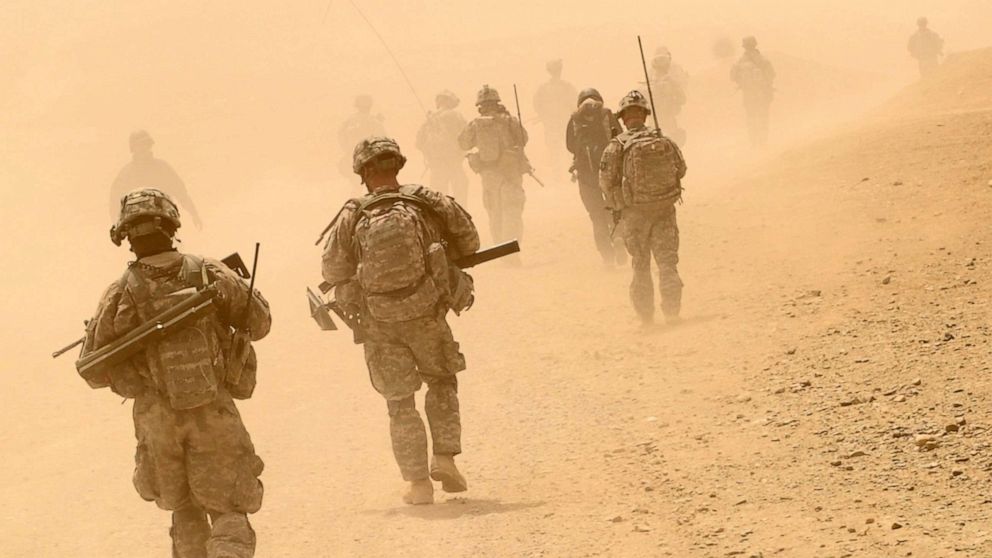
The Taliban's return to power has ended America's two-decade effort to build a democratic society in its mold in Afghanistan. But that effort, despite its billions of dollars and tens of thousands of lives, was doomed virtually from the start by a galling failure to understand the country and a willful disregard for local realities on the ground, according to a scathing new report.
The U.S. Special Inspector General for Afghanistan Reconstruction, or SIGAR, blasted successive U.S. administrations for lacking the "necessary mindset, expertise, and resources to develop and manage the strategy to rebuild Afghanistan," in its latest report released Tuesday.
The report, prepared before Kabul's fall, found that while the U.S. achieved some important successes for the Afghan people, those gains would be lost if the Taliban took control.
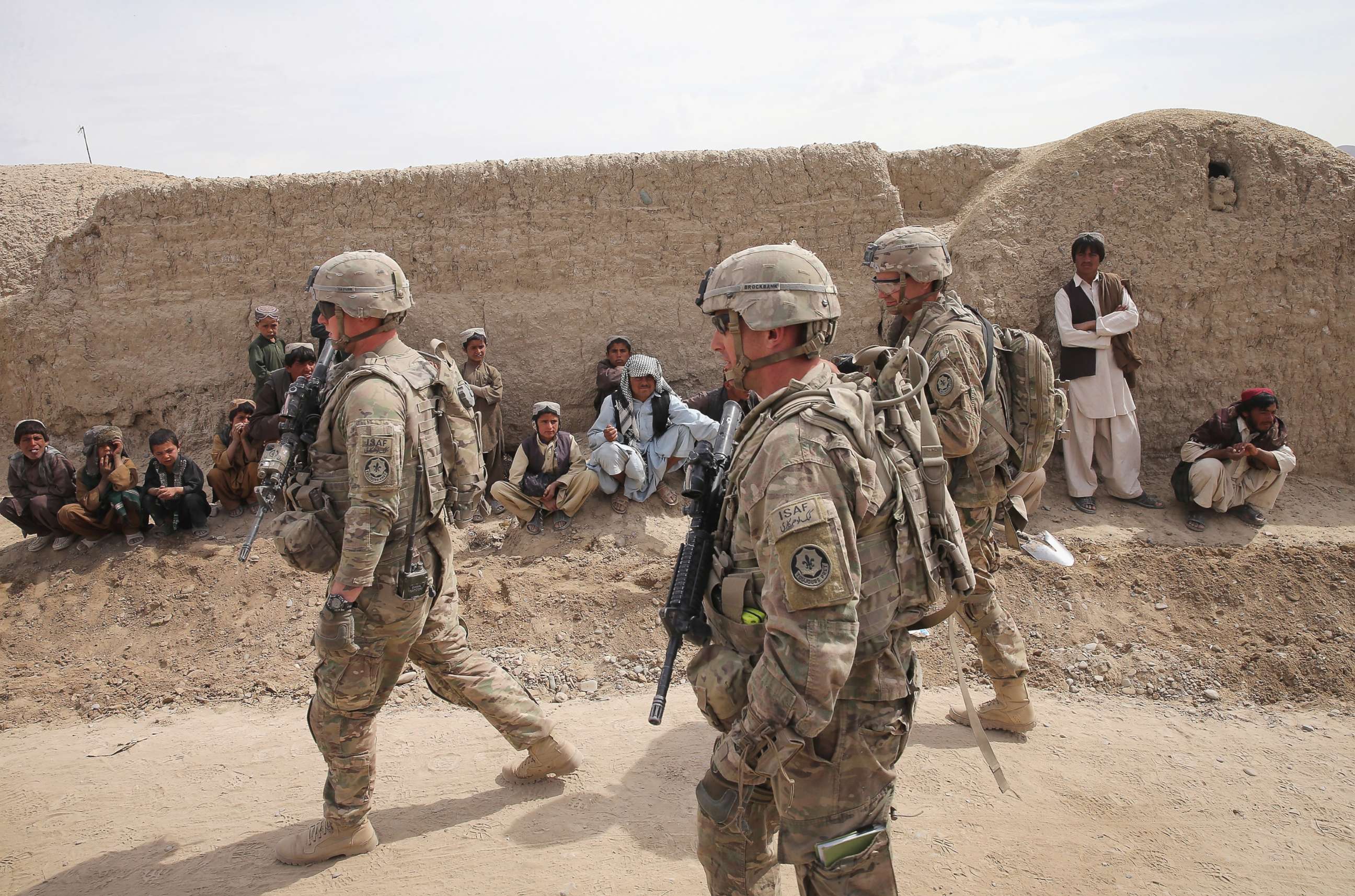
"The U.S. government struggled to develop a coherent strategy, understand how long the reconstruction mission would take, ensure its projects were sustainable, staff the mission with trained professionals, account for the challenges posed by insecurity, tailor efforts to the Afghan context, and understand the impact of programs," the report said.
More than 140 pages long, the report details how 20 years and $145 billion of effort were often wasted because projects weren't tailored to the complex realities on the ground. Essentially, the U.S. government kept trying to force Afghanistan into a box that it didn't -- and couldn't -- fit into, the report found.
"We were devoid of a fundamental understanding of Afghanistan," Douglas Lute, who oversaw the war for Presidents George W. Bush and Barack Obama from 2007 to 2013, told SIGAR. "We didn't know what we were doing."
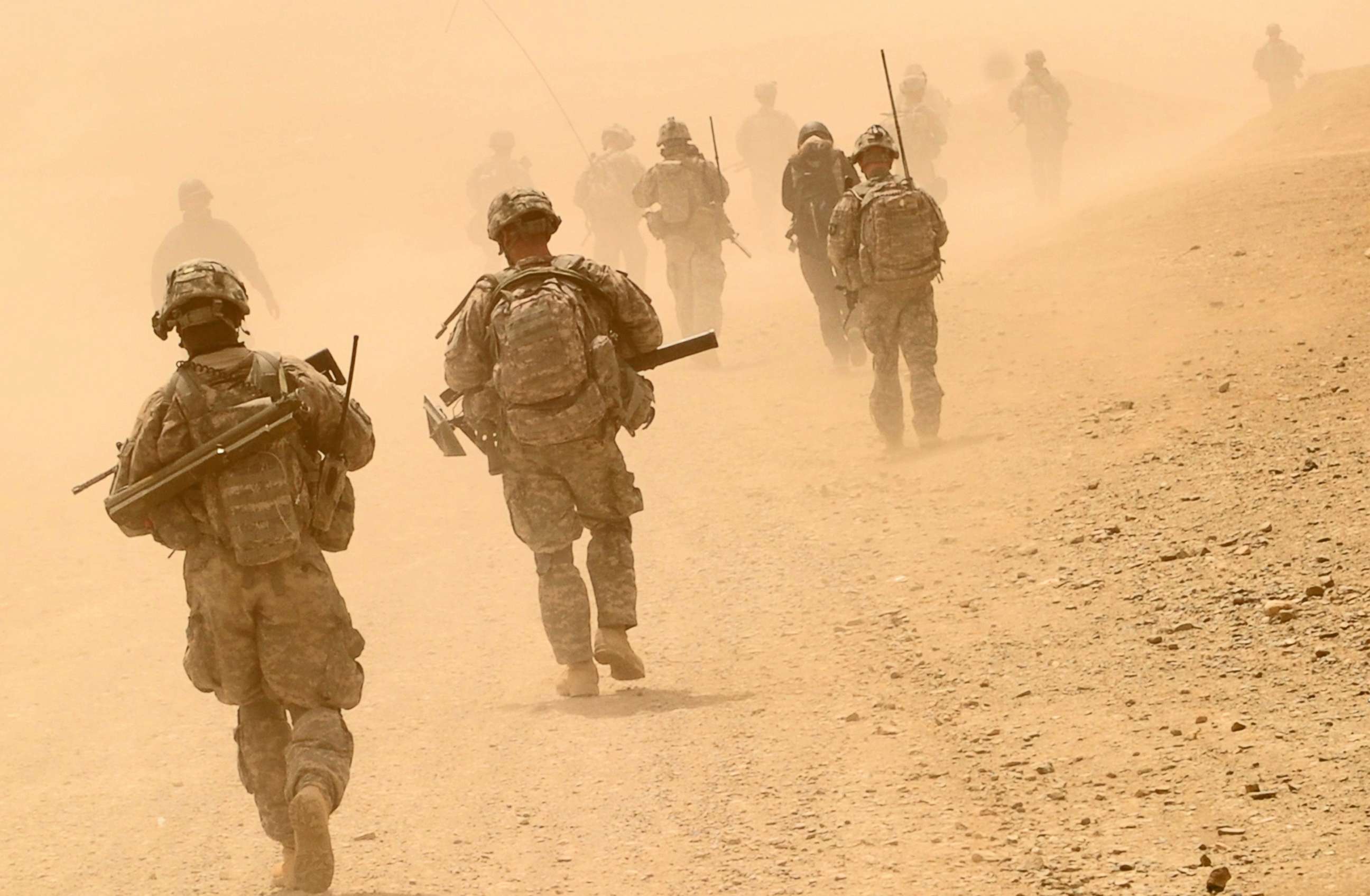
"It's really much worse than you think," he added. "There (was) a fundamental gap of understanding on the front end, overstated objectives, an overreliance on the military, and a lack of understanding of the resources necessary."
This is the 11th annual lessons-learned report released by SIGAR, which has 13 years of oversight work now. John Sopko, the special inspector general, has highlighted failures throughout the U.S. war in Afghanistan, from waste and fraud to a lack of transparency.
These failures in reconstruction, in particular, had critical impacts on a local level, according to the report, undermining U.S. efforts to erode support for the Taliban and build faith in the Afghan government.
"In the majority of districts, we never even heard the real problems of the people," Jabar Naimee, who served as governor of three Afghan provinces, told SIGAR. "We made assumptions, conducted military operations, brought in government staff, and assumed it would lead to security and stability."
But it did not. The report argued that since the U.S. government did not pay attention to the local context when projects were implemented, they often stoked local conflicts because one interest group was prioritized over another, which allowed insurgents to create alliances.
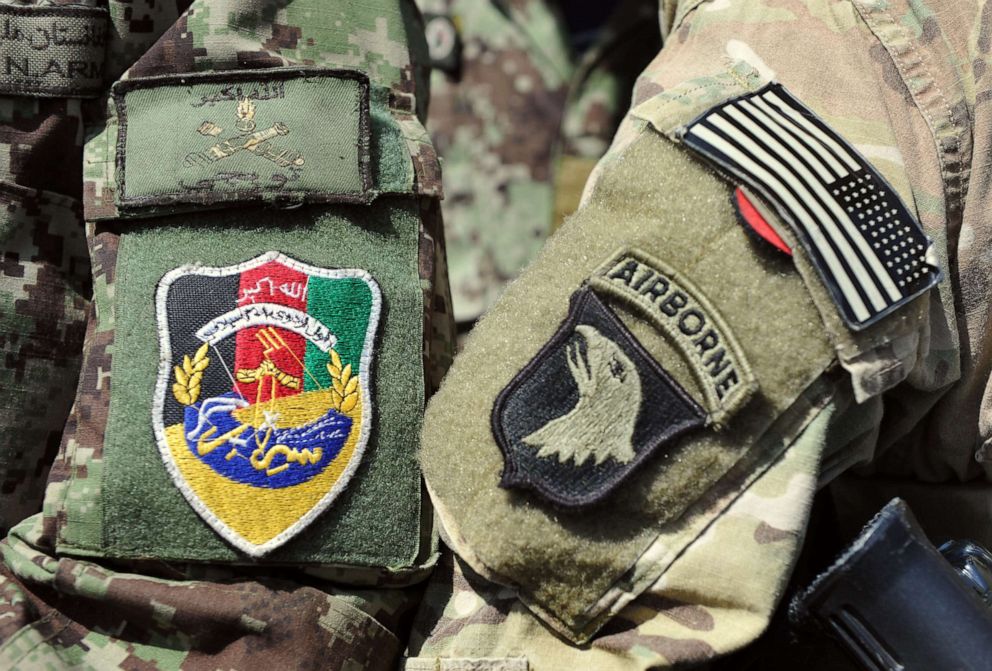
Staffing failures exacerbated those problems, according to the inspector general's report. U.S. reconstruction projects were created and funded -- and then officials were ordered to find individuals to carry them out -- leading to unqualified workers and construction efforts that were often abandoned before completion.
"DOD police advisors watched American TV shows to learn about policing, civil affairs teams were mass-produced via PowerPoint presentations, and every agency experienced annual lobotomies as staff constantly rotated out, leaving successors to start from scratch and make similar mistakes all over again," the report said.
Those failures at the program-level and below were mirrored by "policymakers' ignorance of the Afghan context at the highest strategic levels," according to the report, with the influence of politics always behind the scenes.
"U.S. officials also prioritized their own political preferences for what they wanted reconstruction to look like, rather than what they could realistically achieve," the report said.
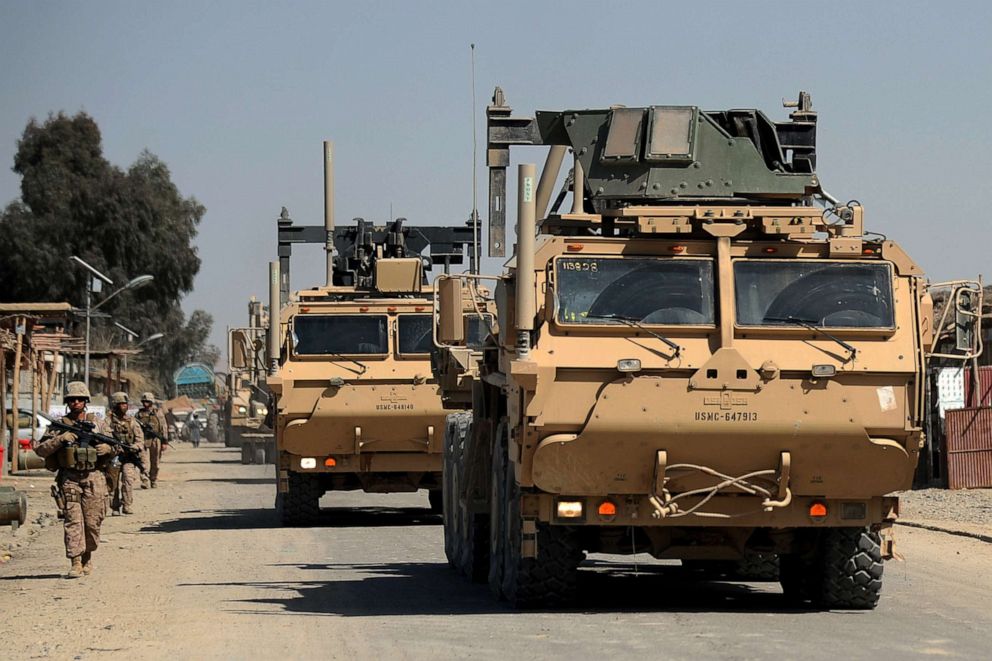
Afghan officials are to blame as well, the report said, especially for corruption. But the vast amount of American money flowing to reconstruction projects would often fuel that problem.
"The ultimate point of failure for our efforts wasn't an insurgency," Ryan Crocker, who served as ambassador to Afghanistan, told SIGAR. "It was the weight of endemic corruption."