• Video
  • Shop
  • Culture
  • Family
  • Wellness
  • Food
  • Living
  • Style
  • Travel
  • News
  • Book Club
  • Newsletter
  • Privacy Policy
  • Your US State Privacy Rights
  • Children's Online Privacy Policy
  • Interest-Based Ads
  • Terms of Use
  • Your Privacy Choices
  • Contact Us
  • Recalls and Product Safety Alerts
  • © 2026 ABC News
  • News

US Navy destroyers sail near disputed islands claimed by China in South China Sea
4:19
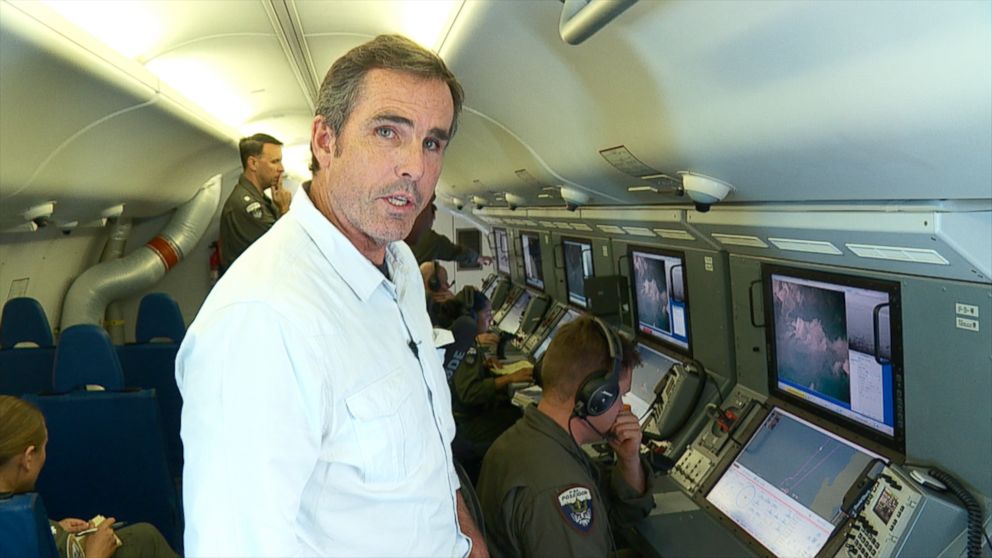
Flying with the US Navy as it keeps tabs on China over the South China Sea
ByElizabeth McLaughlin
May 06, 2019, 1:13 PM

Two U.S. guided missile destroyers sailed near disputed islands claimed by China in the South China Sea on Monday, the U.S. Navy said in a statement.

The USS Preble and USS Chung Hoon traveled within 12 nautical miles of the Gaven and Johnson Reefs in what the Navy calls a freedom of navigation operation "in order to challenge excessive maritime claims and preserve access to the waterways as governed by international law," said Seventh Fleet spokesperson Cmdr. Clay Doss.
Related Articles

(MORE: China stealing foreign military technology in race to become world power: Report)

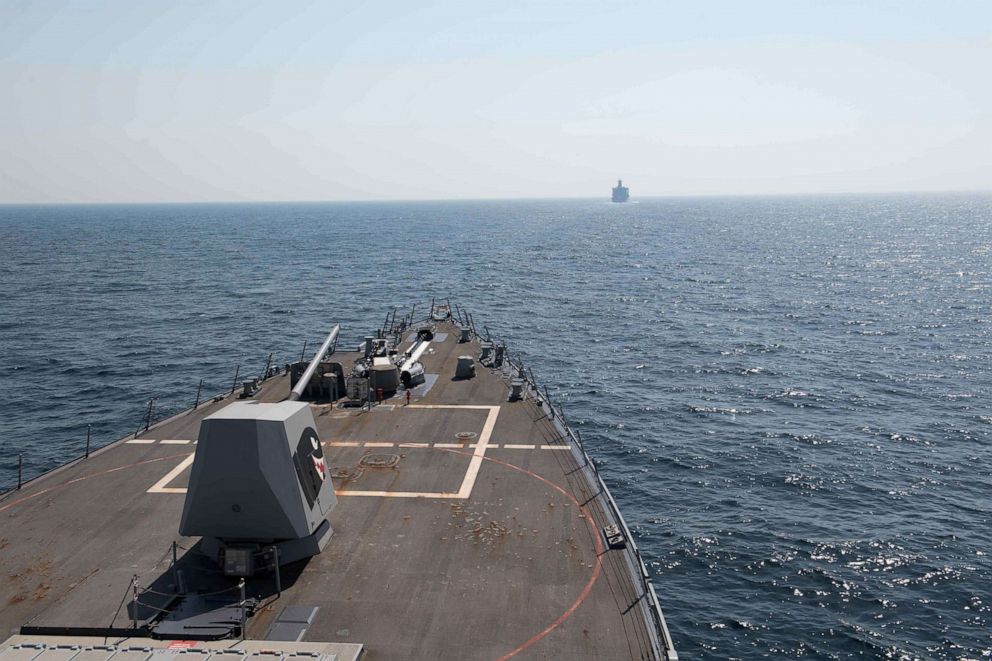
The guided-missile destroyer USS Chung-Hoon sails through the Strait of Hormuz, April 16, 2019.
U.S. Navy

The operation comes amid heightened tensions between the U.S. and China over a possible trade deal. According to Reuters, which was first to report the passage, the Chinese foreign ministry responded by saying the U.S. ships entered the area without permission and were told to leave.

While the Navy carries out freedom of navigation operations around the world, the ones directed at claims made by China draw the most attention with the last transit through the South China Sea occuring in February. By sailing within the international territorial limit of 12 nautical miles, the operations stress that the waters off the artificial islands are international waters.
Related Articles

(MORE: Why the US Navy sails past disputed artificial islands claimed by China)

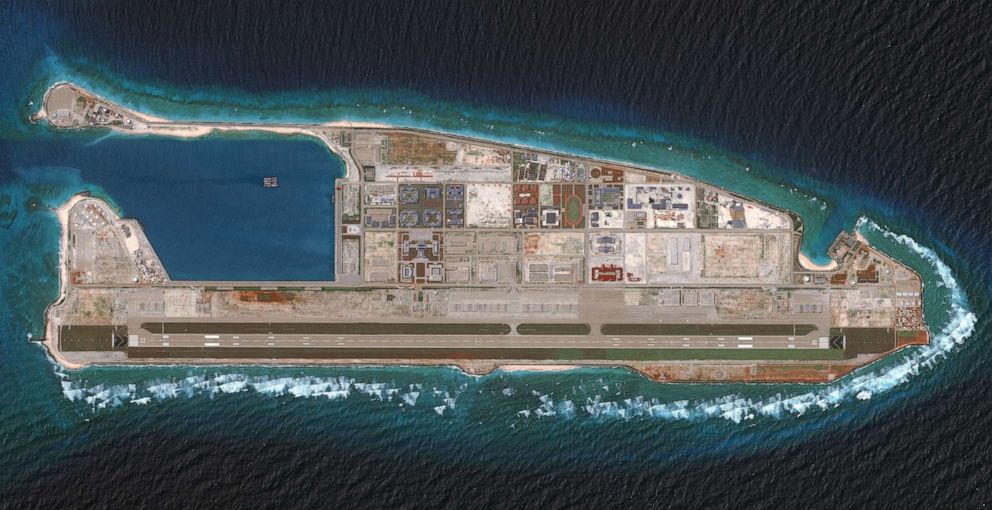
Fiery Cross Reef located in the western part of the Spratly Islands in the South China Sea, in an image from a satellite, Aug. 15, 2018.
DigitalGlobe via Getty Images

China is one of several nations that claim reefs and islets in the South China Sea, but in recent years has militarized island chains. In 2018, China placed anti-ship cruise missiles and long-range surface-to-air missiles on the contested Spratly Islands, according to a recent Pentagon report.

"All operations are designed in accordance with international law and demonstrate that the United States will fly, sail and operate wherever international law allows. That is true in the South China Sea as in other places around the globe," Doss said, adding that freedom of navigation operations are "not about any one country, nor are they about making political statements."

ABC News' Luis Martinez contributed to this report.

Up Next in News—

Ella Langley's Tulsa show canceled over 'serious security threat'; police say no credible threat found

October 10, 2026

What to know about storm surge dangers as Hurricane Isaias nears Florida Panhandle

October 9, 2026

New report says only 6% of adults are eating enough fiber: How to eat more

October 2, 2026

Texas zoo welcomes first Sumatran tiger cubs

October 2, 2026

Shop GMA Favorites

ABC will receive a commission for purchases made through these links.

Sponsored Content by Taboola

The latest lifestyle and entertainment news and inspiration for how to live your best life - all from Good Morning America.
  • Contests
  • Terms of Use
  • Privacy Policy
  • Your Privacy Choices
  • Children’s Online Privacy Policy
  • Advertise with us
  • Your US State Privacy Rights
  • Interest-Based Ads
  • About Nielsen Measurement
  • Press
  • Feedback
  • Shop FAQs
  • ABC News
  • ABC
  • All Videos
  • All Topics
  • Sitemap
  • Recalls and Product Safety Alerts

© 2026 ABC News
  • Privacy Policy— 
  • Your US State Privacy Rights— 
  • Children's Online Privacy Policy— 
  • Interest-Based Ads— 
  • Terms of Use— 
  • Your Privacy Choices— 
  • Contact Us— 
  • Recalls and Product Safety Alerts— 

© 2026 ABC News