US Ran Sochi Emergency Simulation, Found Flaws in Russian Contingency Plans
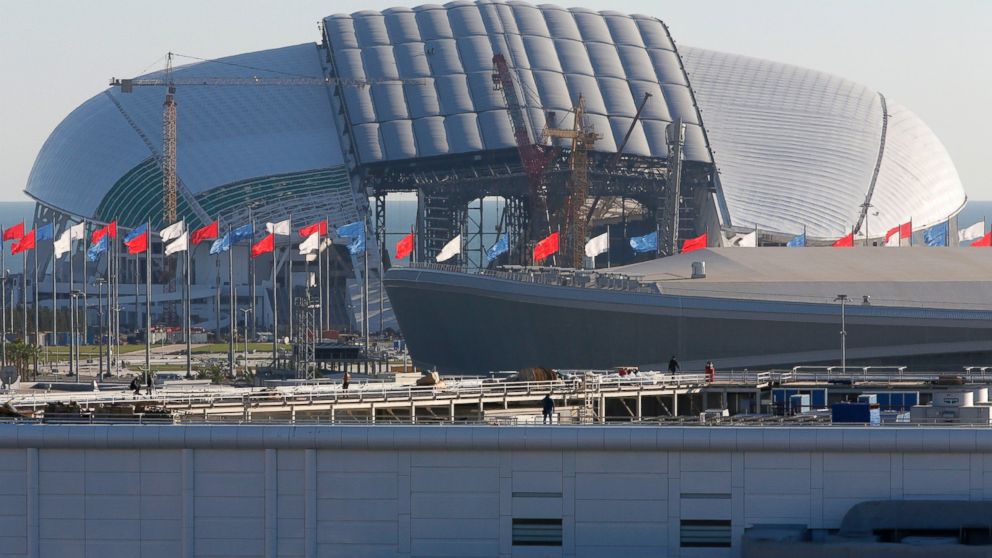
Jan. 31, 2014 — -- SOCHI – In early December officials at the U.S. Embassy in Moscow huddled together to run a simulation in hopes of answering an important question: If there was a mass casualty incident at the Sochi Olympics, like a terrorist attack or earthquake, would Russia's emergency plans work?
The results were sobering, according to several U.S. officials briefed on its findings. "Things got real ugly, real quick," one official told ABC News.
The exercise, based on partial information American authorities have gleaned from Russian authorities, found vulnerabilities in Russia's plan for evacuations, emergency communications, and medical care, the officials said. Specifically, one U.S. official said they believe the Russians have not sufficiently considered second or third options in case their primary emergency plan fails.
U.S. officials fear Russian authorities are so convinced that they can prevent a terrorist attack that they have not spent enough time preparing a plan for if they fail.
They also fear that, while the Olympic park will be secure, so-called "soft targets" like hotels nearby or even the lines to enter the park could be vulnerable to suicide bombers and the like -- a concern previously voiced by American security officials. All visitors and vehicles entering the Olympic Park are thoroughly inspected, but the process takes time, and U.S. officials said they fear the backup could create a target. The officials told ABC News the Russians have not employed behavioral experts who could detect a suspicious face in the crowd before they attack.
READ: 2014 Sochi Olympics in Terrorists' Crosshairs
Concerns extend beyond terror and into issues like what Russia might do in case of a building collapse or gas explosion.
"I'm nervous," another American official said about the Russian response plan.
The American officials cautioned that this was a routine simulation -- standard procedure ahead of a major event. They also stressed that it may have been based on incomplete information because Russian officials have been reluctant to share every detail about their security plans. Calls by ABC News to representatives of the Russian security services and to the mayor's office in Sochi for comment went unanswered.
But the exercise's findings, amid renewed fears of an attack in Sochi, laid bare the concerns that U.S. officials have been reluctant to state publicly.
President Vladimir Putin has ordered a massive security plan dubbed the "ring of steel" with tens of thousands of troops and police flooding the region, as well as air defense missiles and a massive electronic surveillance program. Much of the security remains hidden from view, but it is clear that the Olympics will take place on lockdown.
"I do think this perimeter is very fortified," Rep Michael McCaul, Chairman of the House Homeland Security Committee, told ABC News in an interview during a visit to Sochi earlier this month where he was briefed by Russian and American officials on security plans in place.
"I think the intelligence and the information sharing could be better, and that's something that I talked to officials about to try and strengthen that. But in terms of the actual physical security, I think they've done a good job," McCaul said.
RELATED: Team USA Skaters Stare Down Terrorism in Russia a Second Time