US walks careful line on managing fallout from Israel's Doha strike: ANALYSIS
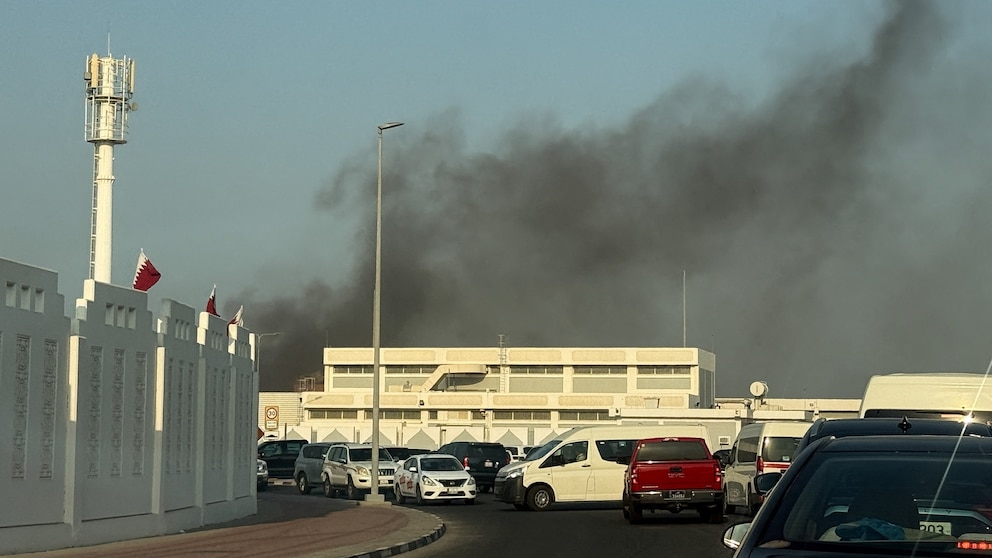
Israel's targeting of Hamas' political leadership on Qatari soil this week has threatened to foment new instability in the Middle East and divided the Trump administration as it tries to contain the backlash spurred by the incident, U.S. officials and analysts tell ABC News.
Israeli Prime Minister Benjamin Netanyahu quickly took responsibility for the attack, saying his country acted "wholly independently."
The White House also attempted to create some distance on Tuesday, saying in a carefully worded statement that the hit on Hamas official in Doha, the capital of a major non-NATO U.S. ally and a key mediator for efforts to end the war in Gaza, does not advance Israel's or America's goals.
President Donald Trump later added that he was "very unhappy about every aspect" of the incident, in a rare but measured rebuke of Israel.
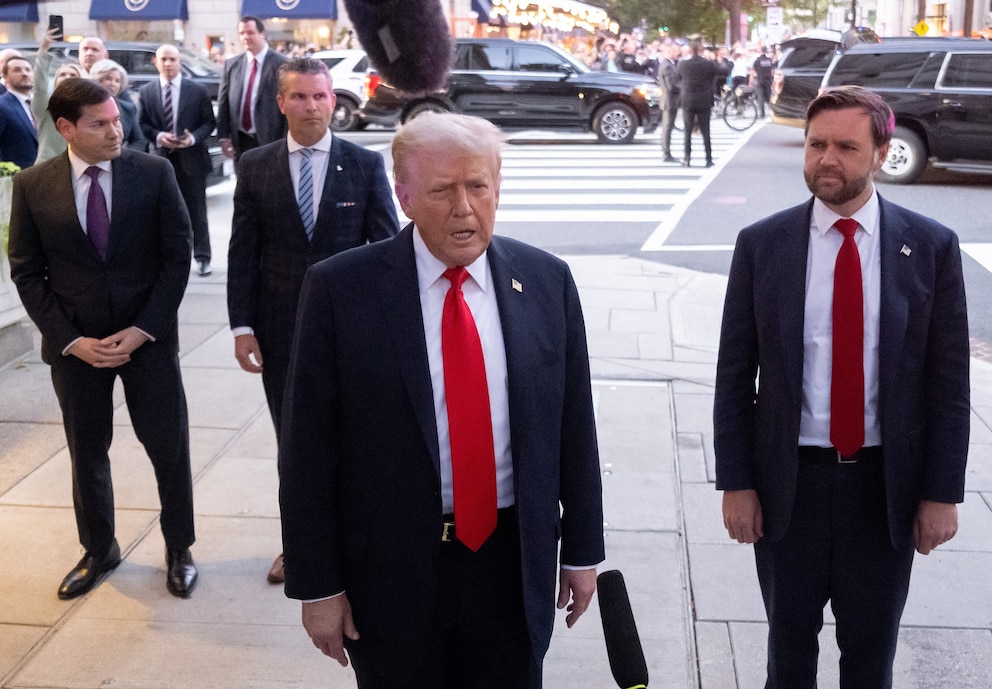
But American officials say this has done little to dispel the notion held among Middle Eastern partners that the administration, which has staunchly supported Israel's war effort in Gaza, is at least partially responsible for the attack, and that it has exacerbated tensions in the relationship between the U.S. and Israel.
While Israel did give the Trump administration a limited heads up about the strike on Doha, officials say the vague warning gave them little to go from and inadequate time to warn Qatar.
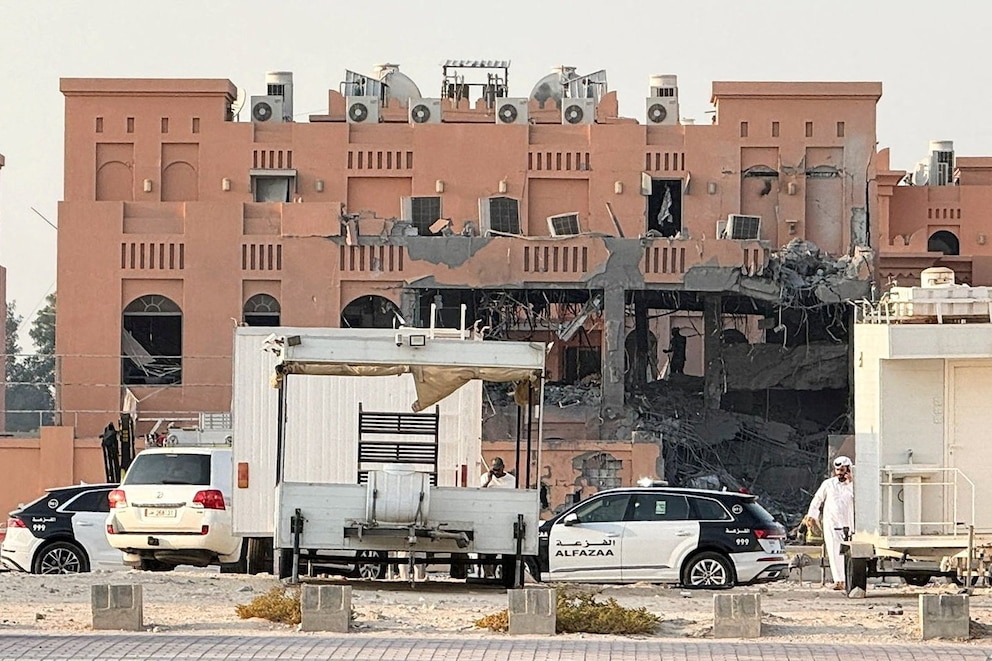
In the past, Israel has provided the U.S. with limited advance notice ahead of military attacks, but the decision to strike typically follows more extensive conversations. Tuesday's action caught large swaths of the administration wholly off-guard, sources familiar with the matter say.
The incident has also deepened divides within the administration between hawkish conservatives that have stood firmly behind Israel and those that feel U.S. support for the country is undercutting Trump's "America First" approach, they added.
In the aftermath of the strike, White House press secretary Karoline Leavitt said Trump had assured Qatari officials that "such an attack on their soil would never happen again."
Handling additional reverberations from the incident is expected to fall largely to the president's Special Envoy for the Middle East, Steve Witkoff. Witkoff has also been leading the administration's effort to advance stalled talks to release the remaining hostages in Gaza, a negotiation process now facing fresh uncertainty.
On Wednesday, Qatar's government did not appear to be placated. In a CNN interview, Qatari Prime Minister Mohammed bin Abdulrahman bin Jassim Al-Thani said he hoped there would be a "collective response" to Israel's strike on Hamas officials in Doha.
"There is a response that will happen from the region. This response is currently under consultation and discussion with other partners in the region," Al-Thani said.
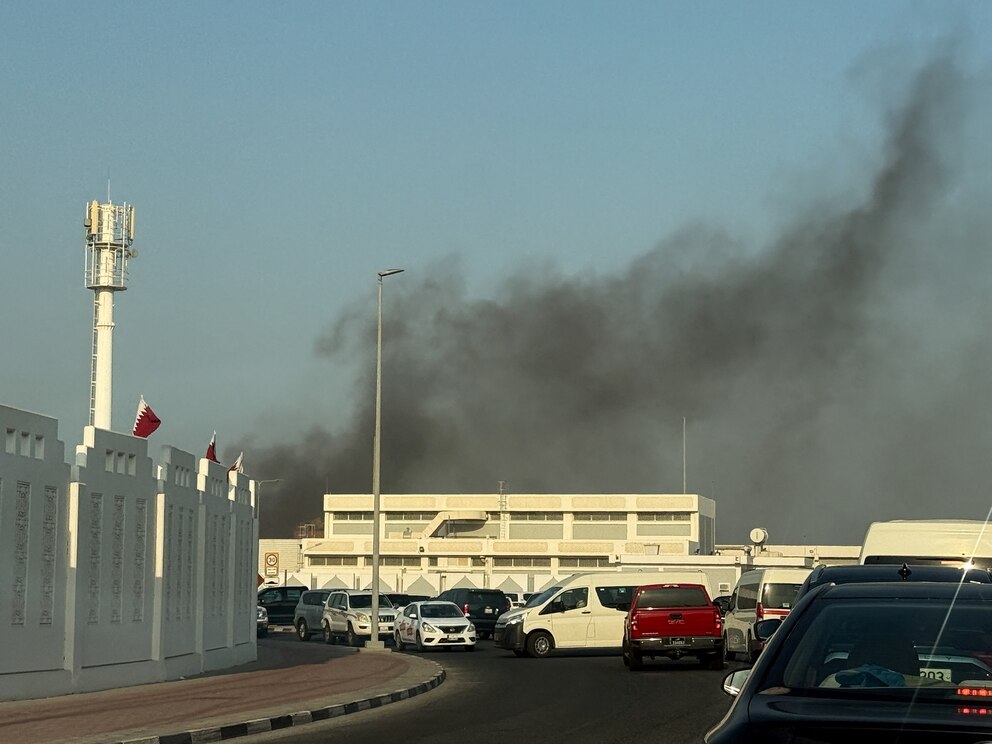
Experts say anger over the attack threatens both prospects for peace in the short-term as well as the Trump administration's broader vision for the Middle East, which relies primarily on the normalization of diplomatic ties between Israel and other powers in the region.
"The United States has much more to lose in the aftermath of this [Israeli] strike," said Jason H. Campbell, a senior fellow at the Middle East Institute. "This strike validates regional skepticism that Israel is genuinely interested in a cease-fire in Gaza and prefers instead to pursue its objectives through force."
Campbell added that the attack "sends a clear message not only to Hamas but any other adversary that Israel, and by extension the United States, cannot be trusted to engage in good faith negotiations for a peaceful cessation of hostilities."
The Senate's top Democrat was harshly critical of Trump during a floor speech Wednesday.
"People don't take Trump seriously, on the world stage, and that's a great danger to the United States and to peace because he bluffs and backs off. He sucks up to people, and then he doesn't do anything when they hurt him and hurt us," Minority Leader Chuck Schumer said.
ABC News' Will Gretzky contributed to this report.