New World screwworm detected in 2nd cow in Texas, USDA confirms
The New World screwworm has been detected in a second cow in Texas, the U.S. Department of Agriculture confirmed Friday.
In a post on social media, the USDA said the parasitic fly was detected in a one-month-old calf in Zavala County, about 5.6 miles away from where the first case was detected earlier this week.
"With our partners in Texas, we are responding with speed and strength," the agency said in the post.
Earlier this week, the USDA confirmed the first detection of New World screwworm in a three-week old cow, also in Zavala County. According to the agency, the larvae were identified in the animal's umbilical area, and said that, so far, "there have been no further detections" of the screwworm in the U.S.
"USDA and Texas Animal Health officials are taking immediate action to contain and eradicate NWS from the area," Secretary of Agriculture Brooke Rollins said.
The Department of Agriculture confirmed that they formed a unified Incident Command Team with the Texas Animal Health Commission and is deploying personnel to the area.
The USDA warned Wednesday that the parasitic fly may have arrived in the mainland U.S after moving north from countries in Central America and Mexico, which have been dealing with an outbreak in livestock since at least 2022.
New World screwworm (NWS) is a species of parasitic flies that feed on live tissue -- typically livestock. Human infections are quite rare and U.S. health officials have previously noted the risk to public health is very low but spread to livestock could decimate the cattle industry.
The name refers to the way in which maggots screw themselves into the tissue of animals with their sharp mouth hooks, causing extensive damage and often leading to death.
In August 2025, the U.S. reported the first human case of NWS in the country in an international traveler. The individual recovered and there was no evidence of further spread.
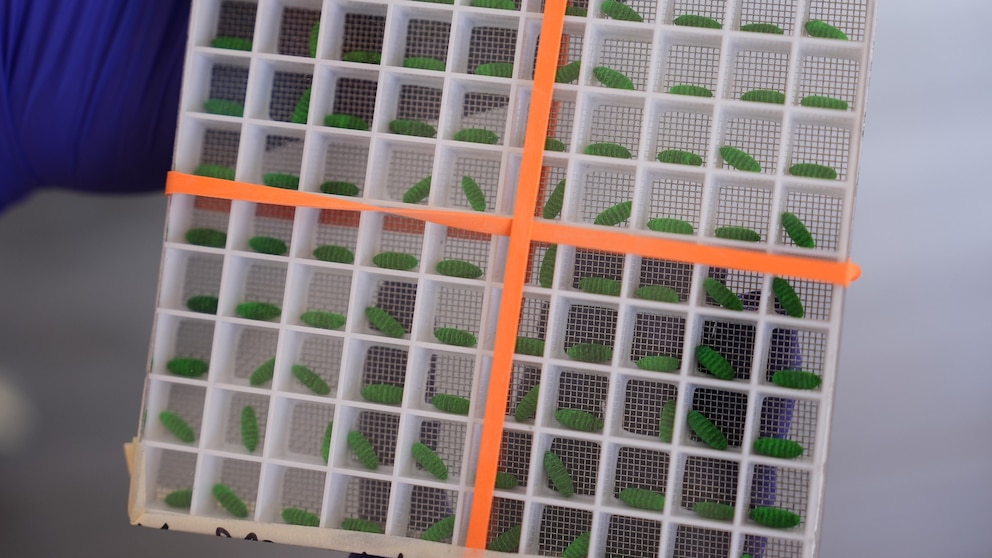
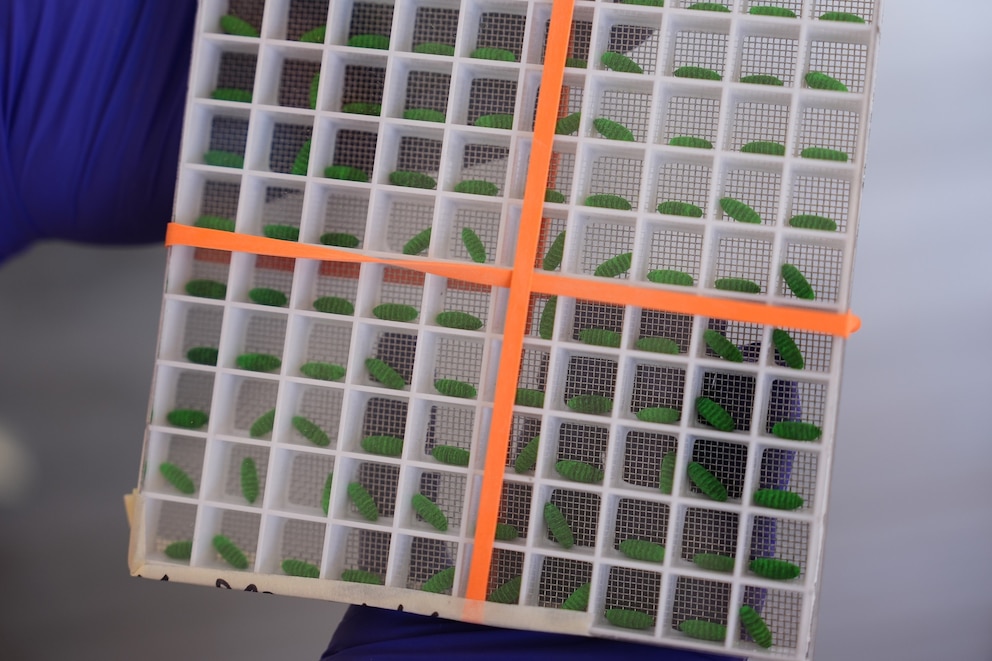
Screwworm was largely eradicated in livestock for decades in the U.S. through a technique in which male screwworm flies are sterilized and then released into the environment to mate with females until the population dies out.
U.S. officials are currently releasing 100 million sterile flies a week in the U.S. and Mexico. Since eradication in 1966, the flies have been spotted domestically in isolated outbreaks through the American southwest in the 1970s and the Florida Keys in 2016.
People who travel to outbreak areas, spend time among livestock animals, sleep outdoors and have an open wound are at greater risk of becoming infested with screwworm, the Centers for Disease Control and Prevention notes.
According to a press release from the Department of Agriculture, actions will include a 12.5-mile "infested zone" around the detection area, along with quarantines, movement controls and additional surveillance.
The department also said it would expedite the targeted release of sterile New World screwworm files from the ground, a tactic that was used successfully to stop the 2016 outbreak in the Florida Keys. The department said this would be in addition to the 4 million sterile flies per week currently being released by air in the area.
Earlier on Wednesday, Rollins assured Americans that the "food supply is 100% safe" amid potential disruptions to the U.S. cattle supply due to NWS.