• Video
  • Shop
  • Culture
  • Family
  • Wellness
  • Food
  • Living
  • Style
  • Travel
  • News
  • Book Club
  • Newsletter
  • Privacy Policy
  • Your US State Privacy Rights
  • Children's Online Privacy Policy
  • Interest-Based Ads
  • Terms of Use
  • Do Not Sell My Info
  • Contact Us
  • Recalls and Product Safety Alerts
  • © 2026 ABC News
  • News

How to vote if you've been exposed to COVID: CDC
1:11
How to vote when you have been exposed to COVID-19
Nati Harnik/AP
ByErin Schumaker
November 02, 2020, 5:12 PM

Tens of thousands of Americans with newly diagnosed cases of coronavirus face a dilemma if they haven't already voted in the presidential election: Are they allowed to vote in person on Tuesday?

Yes, but they need to take precautions to protect poll workers and other voters, according to the Centers for Disease Control and Prevention.

Having COVID-19 or being exposed to the virus "would not preclude them from exercising their right to vote," Jasmine Reed, a CDC spokesperson, told ABC News in a statement.
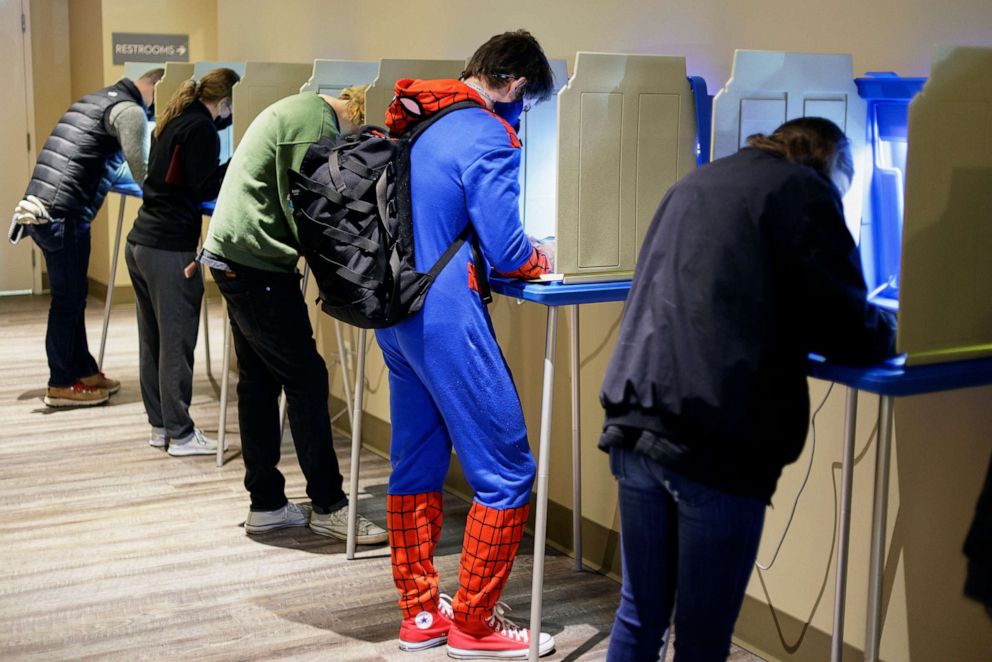
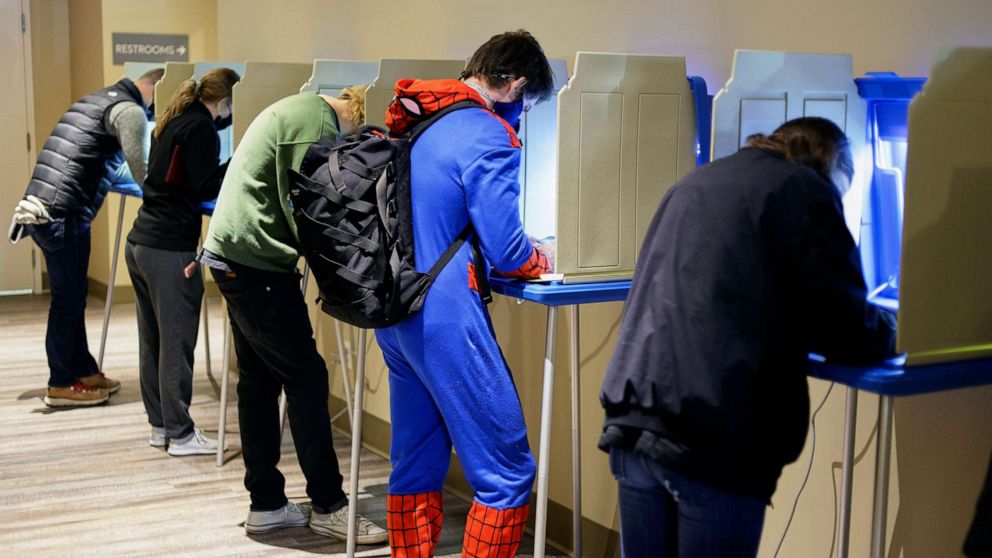
Colin Buckley of Omaha wears a Spiderman suit as he votes early on Halloween, at the Douglas County Election Commission office in Omaha, Neb., Oct. 31, 2020.
Nati Harnik/AP

Related Articles

MORE: In this small Alaskan town, 5 COVID cases meant an immediate lockdown

While voting in person can be accomplished safely, according to the CDC, the agency recommends that whenever possible "alternative voting options should be made available for those with COVID-19, those who have symptoms of COVID-19 and those who have been exposed to someone with COVID-19."

The CDC recommends that alternative voting options minimize contact between poll workers and voters and that polling places provide workers with masks, face shields, gloves and gowns, and train workers on how to use that personal protective equipment correctly, before they interact with symptomatic voters.
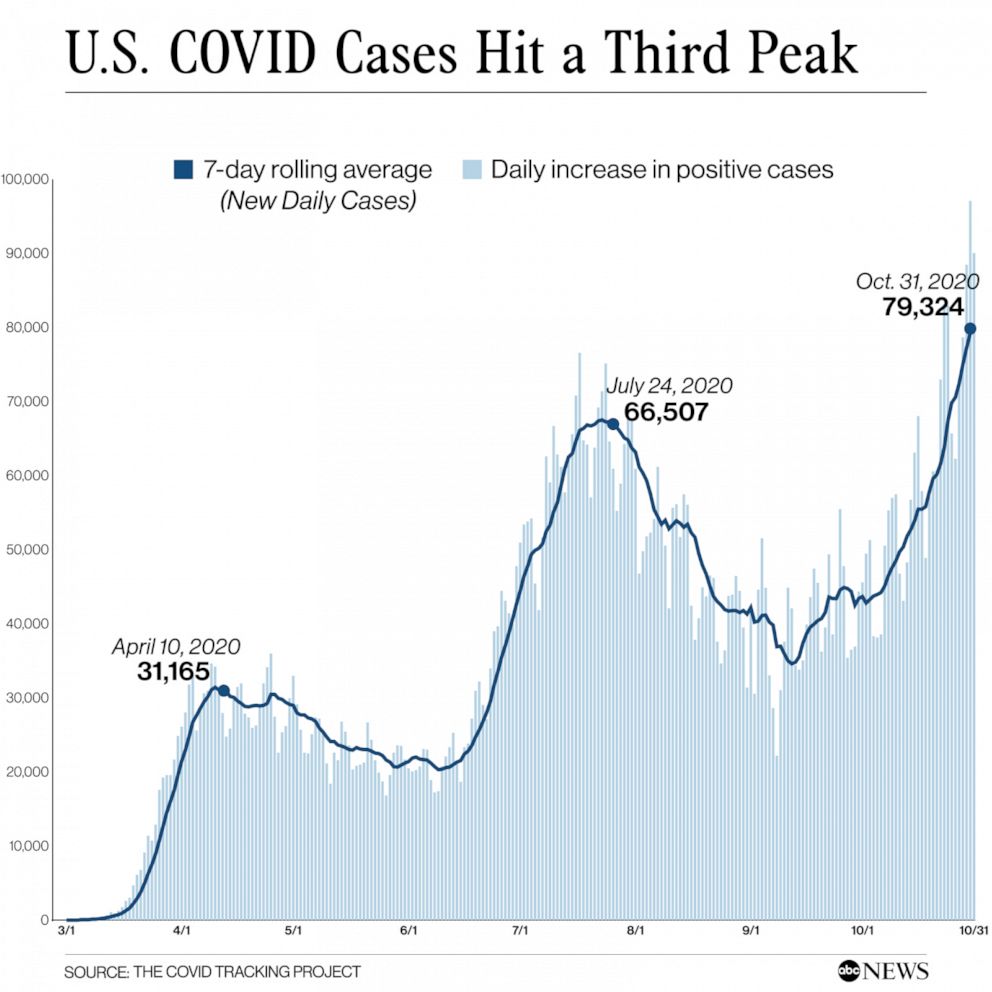
US COVID Cases hit a third peak
ABC News

It's also imperative that voters who are sick take steps to protect poll workers and other voters.

"This includes wearing a mask, staying at least 6 feet away from others, and washing their hands or using hand sanitizer before and after voting," Reed said. "These voters also should let poll workers know about their condition when arriving at the polling location."

Up Next in News—

Cambridge professor resigns amid plagiarism allegations, questions about 'academic qualifications'

August 6, 2026

Lindsay Clancy's friend says she was having 'dark thoughts' prior to killing her children

August 6, 2026

Lindsay Clancy trial: Toxicology expert testifies that drug levels were low

August 5, 2026

Brothers describe catching tiger shark off coast of Cape Cod

August 5, 2026

Shop GMA Favorites

ABC will receive a commission for purchases made through these links.

Sponsored Content by Taboola

The latest lifestyle and entertainment news and inspiration for how to live your best life - all from Good Morning America.
  • Contests
  • Terms of Use
  • Privacy Policy
  • Do Not Sell My Info
  • Children’s Online Privacy Policy
  • Advertise with us
  • Your US State Privacy Rights
  • Interest-Based Ads
  • About Nielsen Measurement
  • Press
  • Feedback
  • Shop FAQs
  • ABC News
  • ABC
  • All Videos
  • All Topics
  • Sitemap
  • Recalls and Product Safety Alerts

© 2026 ABC News
  • Privacy Policy— 
  • Your US State Privacy Rights— 
  • Children's Online Privacy Policy— 
  • Interest-Based Ads— 
  • Terms of Use— 
  • Do Not Sell My Info— 
  • Contact Us— 
  • Recalls and Product Safety Alerts— 

© 2026 ABC News