• Video
  • Shop
  • Culture
  • Family
  • Wellness
  • Food
  • Living
  • Style
  • Travel
  • News
  • Book Club
  • Newsletter
  • Privacy Policy
  • Your US State Privacy Rights
  • Children's Online Privacy Policy
  • Interest-Based Ads
  • Terms of Use
  • Do Not Sell My Info
  • Contact Us
  • © 2026 ABC News
  • News

How and when to watch the Quadrantids, the first major meteor shower of 2020
0:58
.
What is a meteor shower?
China Stringer Network via Reuters, FILE
ByElla Torres
January 03, 2020, 6:08 PM

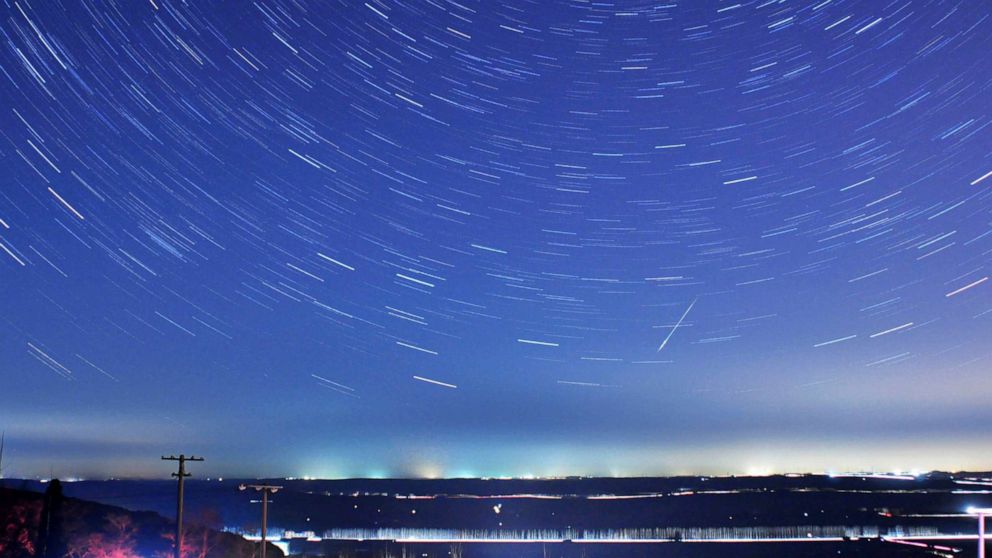
The year's first Quadrantid meteor will light up the sky this weekend.

The spectacle, considered by NASA to be "one of the best annual meteor showers," will be best seen in the Northern Hemisphere from Jan. 3 - 4, according to the American Meteor Society.

In perfect conditions during its peak, Quadrantids can illuminate the sky with as many as 200 meteors and fireballs, an explosion of light and color that typically lasts longer than the average meteor streak, according to NASA.

Related Articles

(MORE: Video: Meteor lights up night sky )

The American Meteor Society described the Quadrantid meteor as "fairly bright and easily seen," but noted that faint meteors could often occur, especially at times of high activity.

Those interested in catching a glimpse of the Quadrantids should plan ahead and find a spot away from city lights. Dark skies make for the best viewing opportunities.
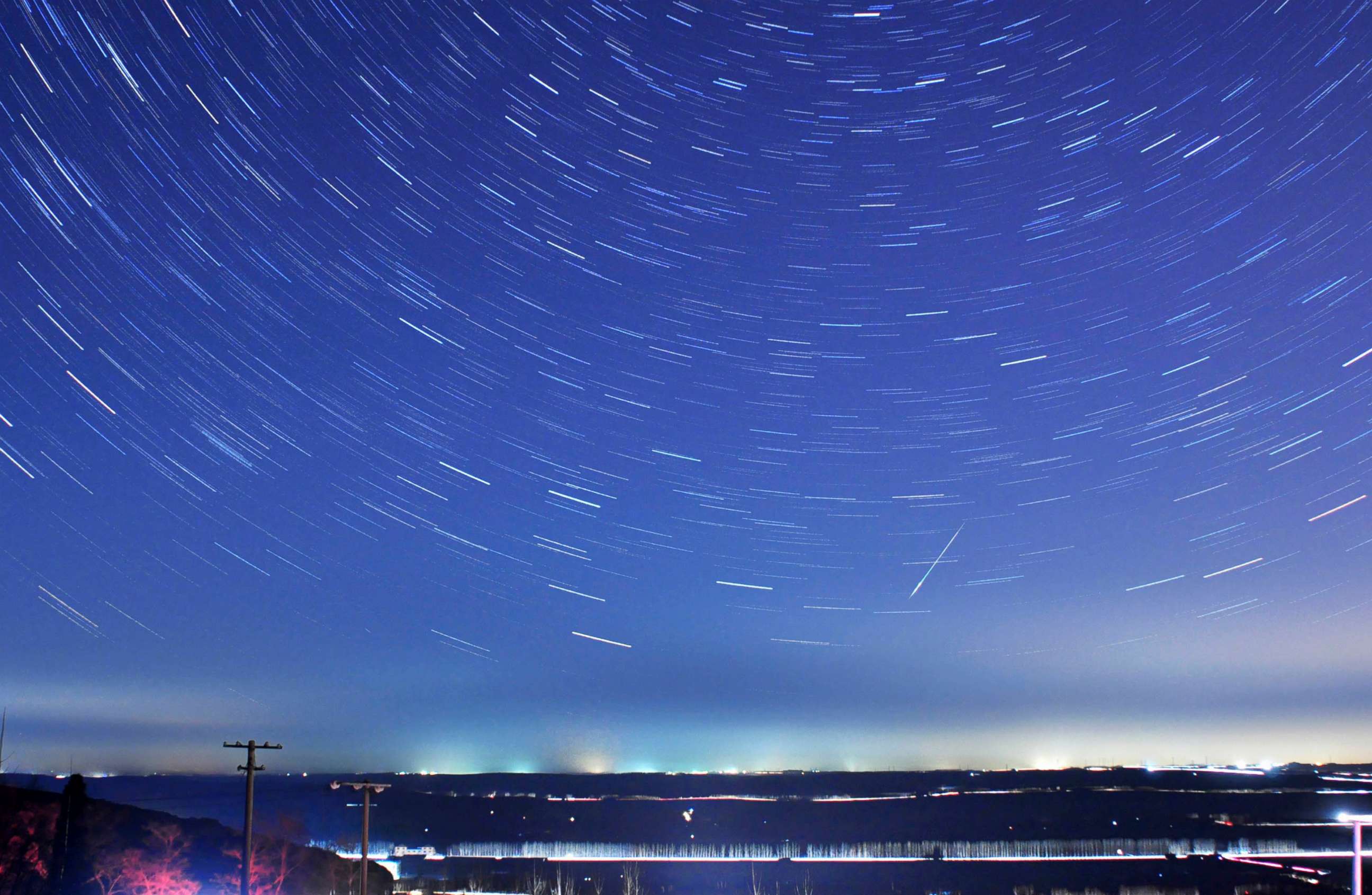
A meteor streaks past stars during the annual Quadrantid meteor shower in Qingdao, Shandong province,China, Jan. 4, 2014.
China Stringer Network via Reuters, FILE

The meteor has a shorter peak than most -- just a few hours compared to the standard couple of days.

Revelers are encouraged to begin their gazing at least an hour before the predicted peak times, which are 3:20 EST, 2:20 CST, 1:20 MST, and 12:20 PST on the morning of Jan. 4.

Related Articles

(MORE: How to watch over 400 meteors shoot through the sky for an hour Thursday night)

The best way to look at the meteor will be facing the northeast quadrant of the sky and centering your view about half-way up, according to the American Meteor Society.

Quadrantids are also unique because of where they originate from: an asteroid.

Asteroid 2003 EH1 was discovered in March 2003, according to NASA.

The space agency said it takes 5.52 years to orbit the sun once and it is possible that 2003 EH is a "dead comet" or a new kind of object, described by astronomers as a "rock comet."


Up Next in News—

This San Francisco shop is run completely by an AI agent

April 23, 2026

Mother charged after teen son allegedly hits and injures 81-year-old veteran while riding e-motorcycle

April 23, 2026

UK bill banning smoking products for those born after 2008 is one step away from becoming law

April 22, 2026

Pilot killed in Florida plane crash hailed as hero

April 21, 2026

Shop GMA Favorites

ABC will receive a commission for purchases made through these links.

Sponsored Content by Taboola

The latest lifestyle and entertainment news and inspiration for how to live your best life - all from Good Morning America.
  • Contests
  • Terms of Use
  • Privacy Policy
  • Do Not Sell My Info
  • Children’s Online Privacy Policy
  • Advertise with us
  • Your US State Privacy Rights
  • Interest-Based Ads
  • About Nielsen Measurement
  • Press
  • Feedback
  • Shop FAQs
  • ABC News
  • ABC
  • All Videos
  • All Topics
  • Sitemap

© 2026 ABC News
  • Privacy Policy— 
  • Your US State Privacy Rights— 
  • Children's Online Privacy Policy— 
  • Interest-Based Ads— 
  • Terms of Use— 
  • Do Not Sell My Info— 
  • Contact Us— 

© 2026 ABC News