As weather turns wintry in Gaza, residents worry about shelter, food and flooding
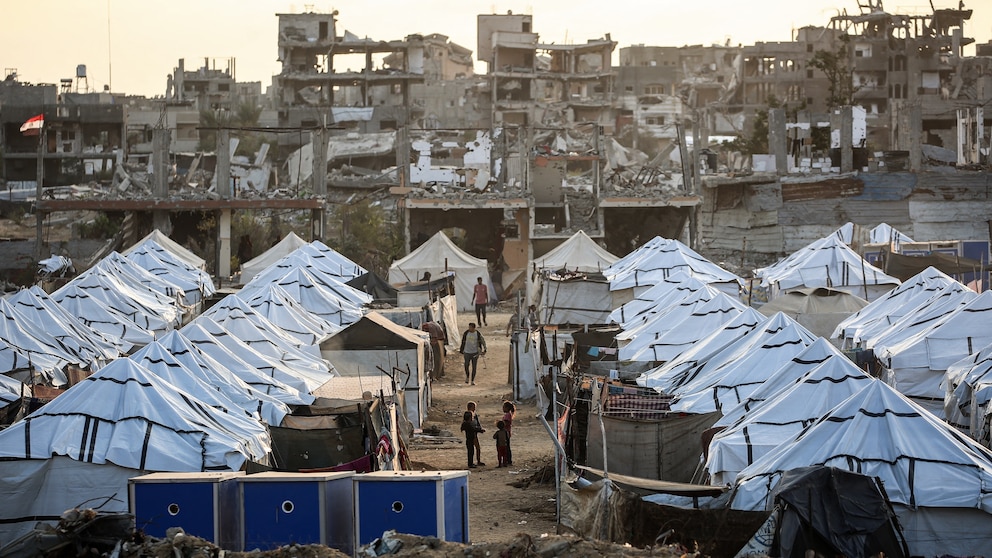
GAZA CITY, Gaza Strip -- In a crowded medical center in Gaza City, Sanaa Temraz described a life in the enclave that's become stripped of security and dignity, and the winter weather that's only making things worse.
"We lost our home during the war," Temraz, who is originally from the northern Gaza city of Jabalia, told ABC News in an interview at the United Nations Relief and Works Agency-run center. "We came here to be sheltered in an UNRWA clinic because it’s better than a tent, but there are no bathrooms, no proper sewage. The roof floods when it rains."
As temperatures dropped ahead of winter in the Gaza Strip and driving rain resulted in flooding in shelters and camps, several aid organizations said they were struggling to keep up with the scale of the need.
Daytime temperatures in Gaza are generally warm throughout the year, but between November and March nighttime temperatures often fall below 50 degrees Fahrenheit. Those months also see the most rain.
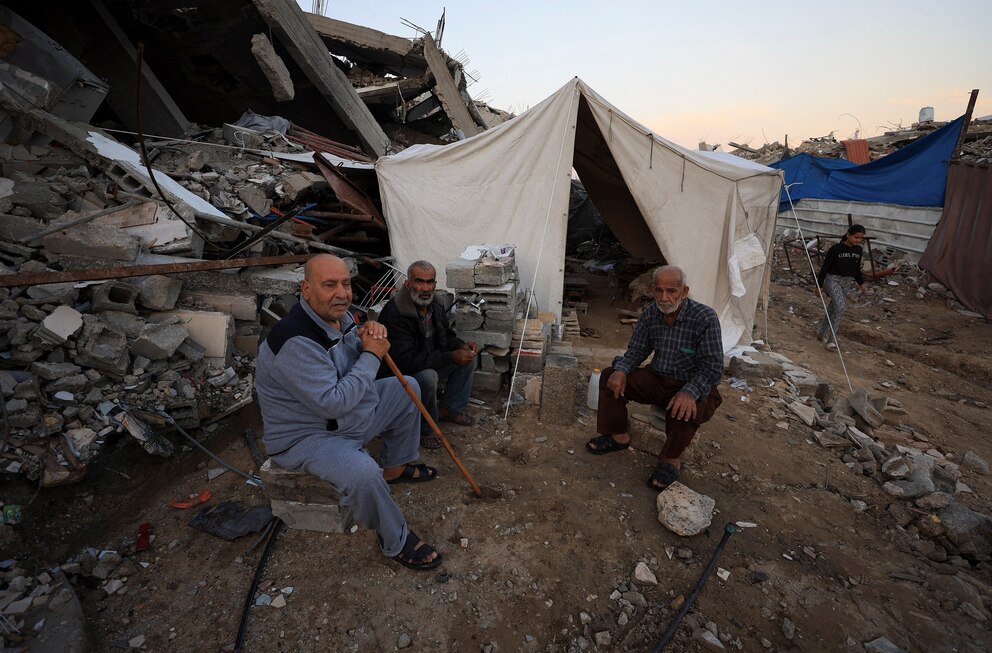
More than a month after the beginning of the fragile ceasefire between Israel and Hamas, the humanitarian situation in Gaza remains dire, according to several international aid organizations.
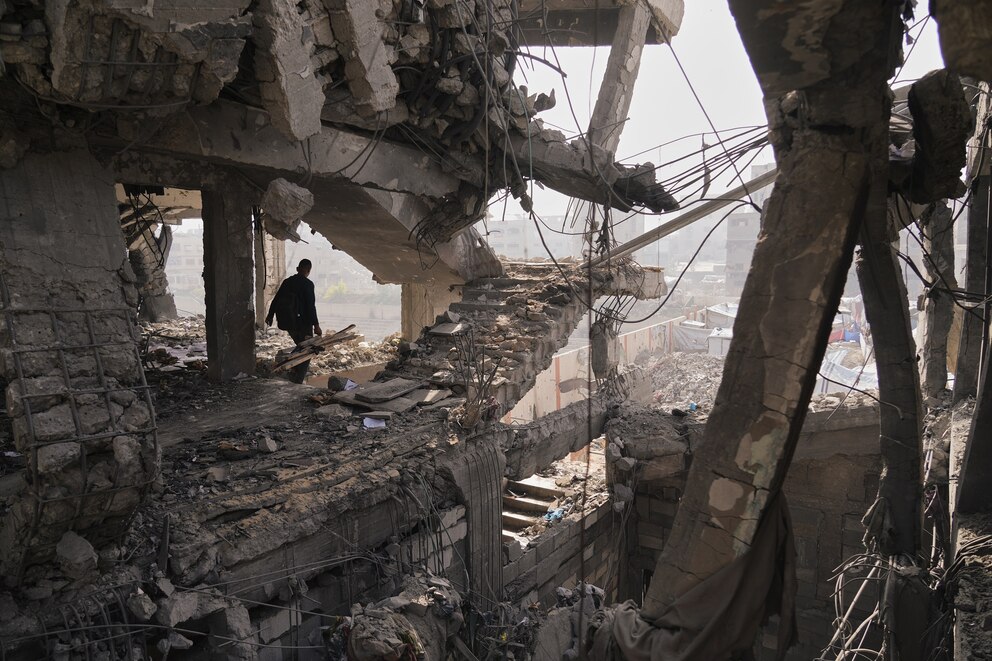
Large parts of Gaza lie in ruins, with entire neighborhoods reduced to rubble and critical infrastructure severely damaged after a brutal 2 years of fighting between Israel and Hamas, the militant group that attacked Israel on Oct. 7, 2023. Tens of thousands of noncombatants were killed in the strip during the fighting, according to Hamas-run government agencies.
About 91% of all homes in Gaza are now destroyed or damaged, leaving the majority of the population without safe, permanent shelter, according to the U.N. Office for the Coordination of Humanitarian Affairs (OCHA).
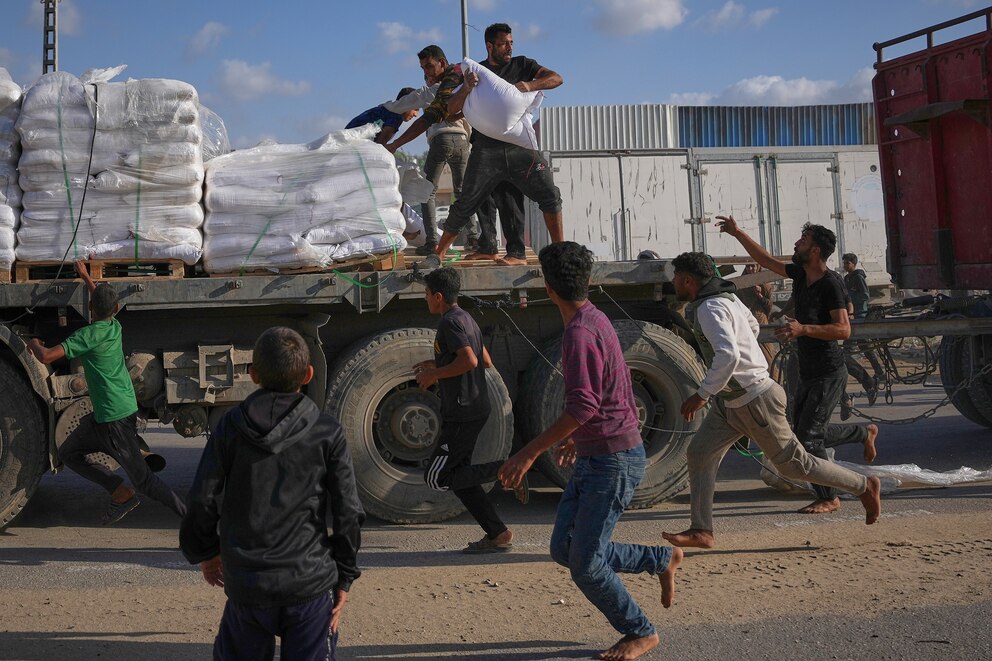
The Israeli organization tasked with overseeing aid routes into Gaza -- the Coordination of Government Activities in the Territories: Judea and Samaria, or COGAT -- has said that hundreds of trucks "carrying food, water, fuel, gas, medicines, medical equipment, tents, and shelter supplies enter the Gaza Strip every day."
With official shelters beyond capacity, many people have been forced into tent encampments or improvised structures with no insulation, heating or reliable sanitation, locals said.
"Over the last few months, in preparation for the winter and protection from the rain, COGAT coordinated with the international community and facilitated close to 140,000 tarpaulins directly to the residents of the Gaza Strip," COGAT officials said on social media last week. "We call on international organizations to coordinate more tents and tarpaulins and other winter humanitarian responses."
Access to clean water also remains critically insufficient, with nearly half of Gaza’s population receiving less than six liters per person per day, according to OCHA, far below the emergency minimum needed for drinking and cooking. The World Health Organization says aid groups working in areas where there are humanitarian emergencies should try to get to a minimum of 15 liters per person per day as quickly as possible.
Almost all of Gaza's over 2 million residents now live in the Hamas-controlled area of the strip behind the "yellow line," the temporary border drawn within Gaza to separate the Israeli-controlled side from the Hamas-controlled side.
The first phase of a U.S.-brokered ceasefire has been in effect since early October. A U.S.-backed plan for a post-war Gaza was approved last Monday by the U.N. Security Council, a vote that gives authorization for the creation of a Board of Peace, which is expected to oversee the transition period for the strip.
But questions remain. Hamas said after Monday's U.N. vote that it will not disarm and that the issue of its weapons cannot be separated from "a political path that ensures the end of the occupation, the establishment of the state and self-determination." And Israeli officials have said they would attempt to block any plan that includes potential Palestinian statehood.
The ceasefire has allowed aid organizations to scale up assistance, "but the conditions for children and their parents remain dramatic," UNICEF spokesperson Rosalia Bollen told ABC News in an interview.
While UNICEF increased the volume of supplies entering the strip "by more than 260% compared to pre-ceasefire levels," the needs remain overwhelming, she said.
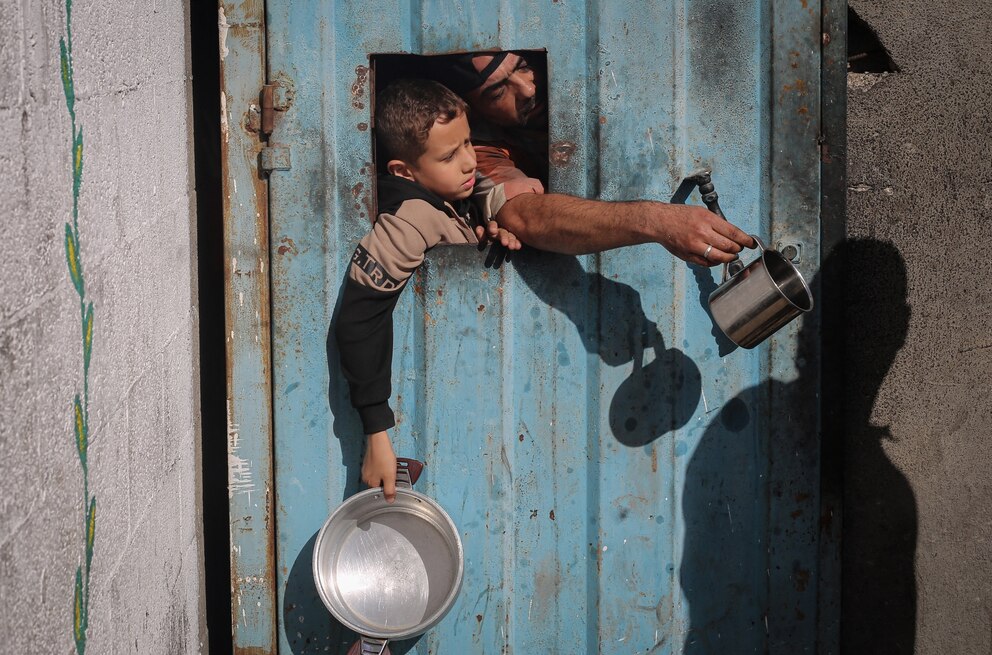
"The combination of malnutrition, dire sanitary conditions, and cold winter weather significantly increase the chances of diseases -- and could turn out lethal," she said.
Bollen described the children in the strip as a generation of children who are facing extreme deprivation.
"Every child under five in Gaza -- more than 320,000 children -- continue to face the risk of acute malnutrition today," she said.
Fruits, vegetables, and protein-rich foods have virtually disappeared from children’s diets, while overcrowding and exposure to raw sewage heighten the potential for the spread of disease, she said. About 85% of families now live within 10 meters of environmental hazards, including open sewage, rubble or unexploded ordnances, according to UNICEF.
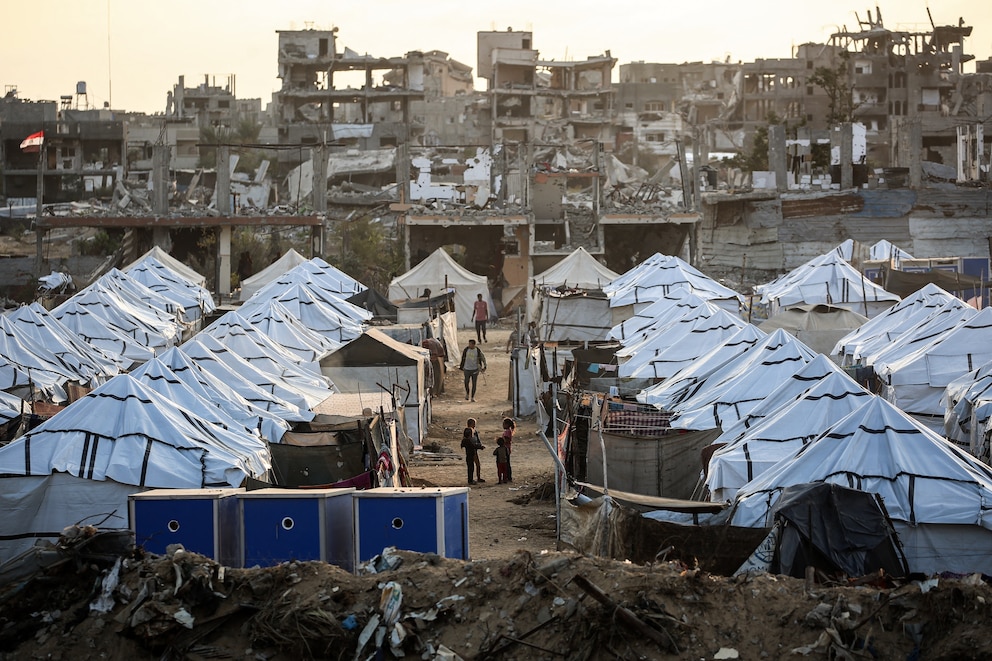
Israeli Prime Minister Benjamin Netanyahu said in July, before the ceasefire, that there is no starvation in Gaza. Nor does Israel maintain a policy of forced starvation in Gaza, he said. He's maintained that, saying on social media in late October that there's "No Famine. Lots of Lies."
Education -- once a refuge and stabilizing force for Gaza’s children -- has nearly collapsed. UNICEF reported that 97% of schools have been damaged or destroyed, leaving over 650,000 school-aged children without access to formal learning for more than two academic years.
"Schools are not just places for learning, but for play, stability, and emotional development," Bollen told ABC News. "Parents are very worried for the future of their children."
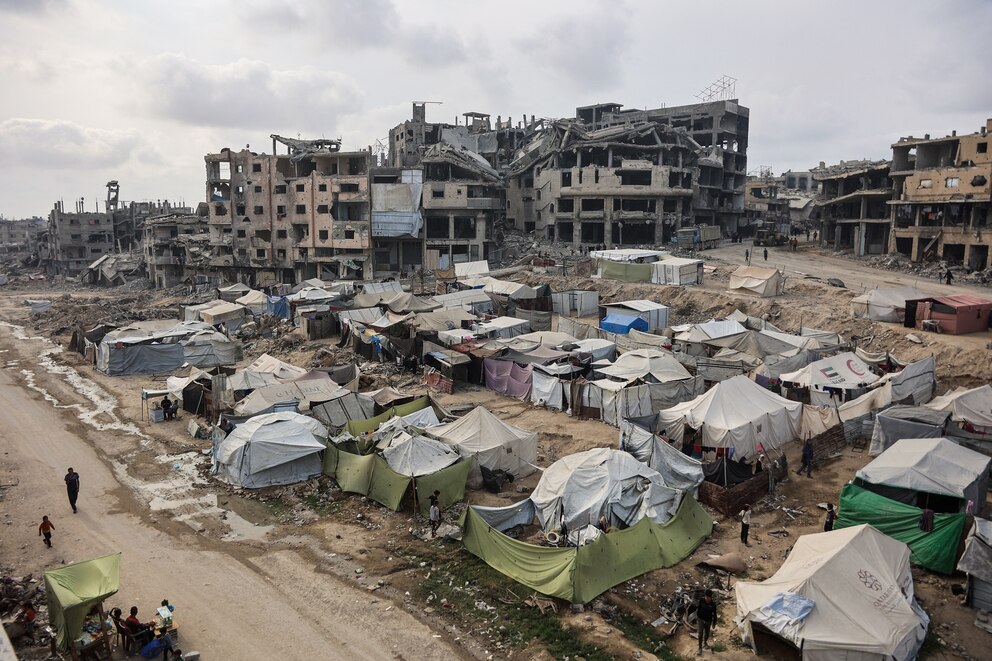
Many of the former schools are now used as shelters.
UNRWA said on Monday it was running 330 temporary learning spaces across 59 shelters. More than 44,000 children were being taught in those locations, the organization said.
"For many children in the Gaza Strip, learning now takes place without desks or chairs, often on the cold ground," UNRWA said.
Humanitarian agencies warned that unless border crossings fully reopen and aid flows freely, the crisis will deepen. "Every hour counts," Bollen said. "Rapid and sustained access is essential to prevent further loss of life."
For displaced families, the ceasefire has offered only marginal relief, locals say.
Temraz, the woman in the UNRWA center, who lost two of her three sons during the conflict, said she receives almost no aid. She has three daughters, she said, adding that the "situation is very difficult." She said that many Palestinians in the strip were still finding their lives difficult after the ceasefire began, adding that "things are the same, except it's a little safer."
"We want them to look at us with mercy," she said. "We want prepared places to shelter us … at least a life with dignity."