Wednesday to bring 3 cosmic spectacles including total solar eclipse, meteor shower
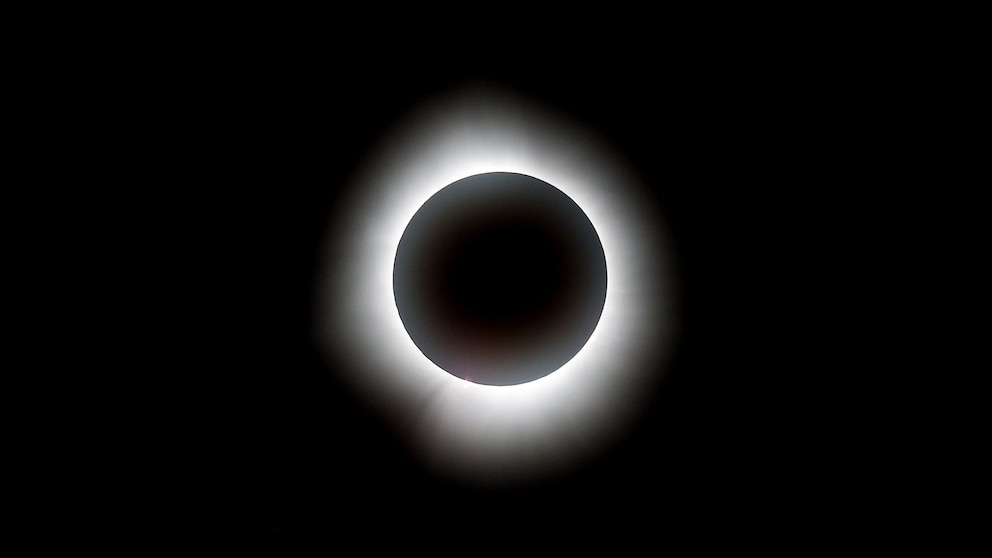
If you love astronomy, Wednesday, Aug. 12 is your day.
If you're lucky enough to live in the right place, you could potentially witness three significant cosmic spectacles: a parade of planets, a total solar eclipse and the best meteor shower of the year.
1. The parade of planets
If you're willing to get up before the sun, you have the opportunity to see a parade of six planets across the pre-dawn sky.
According to The Planetary Society, if the weather is good and the sky dark enough (sorry, city dwellers), you should be able to see "bright Mercury, very bright Jupiter, reddish Mars, and yellowish Saturn" without any assistance.
"Uranus will likely require binoculars or a telescope to see, and Neptune will require a telescope," the Planetary Society said.
The astronomy app Star Walk says the planets will "appear along a broad arc from the east toward the southwest in the Northern Hemisphere, or toward the northwest in the Southern Hemisphere."
"This is why the event is often called a 'planet parade': your eyes travel from planet to planet across the sky," the company said.
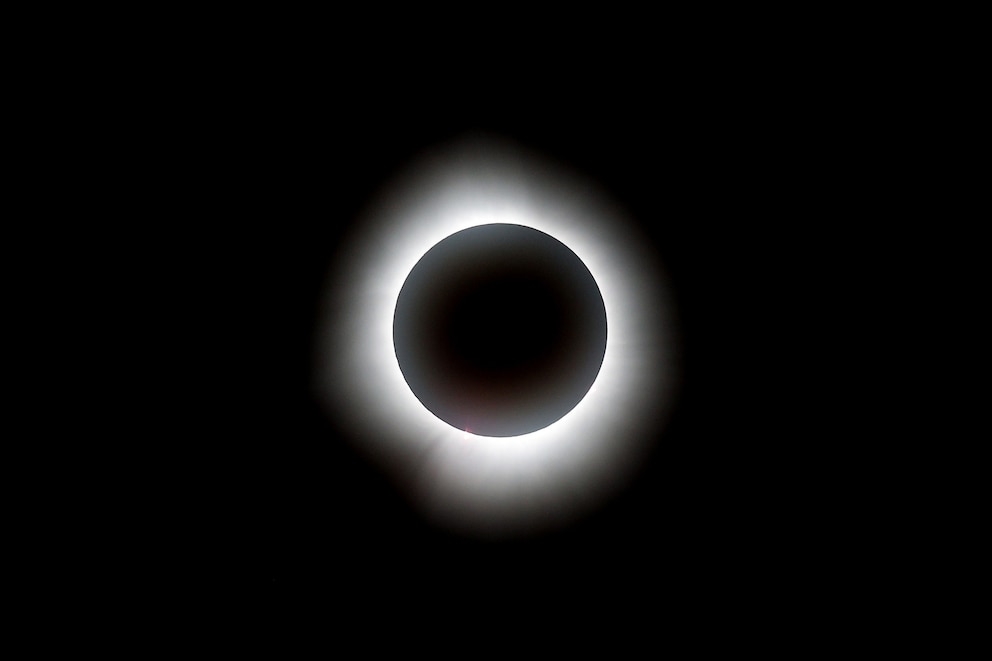
2. Total solar eclipse
The star of the day -- pun intended -- is the total solar eclipse that'll be visible in Greenland, Iceland, northern Russia, the Atlantic Ocean, Spain and a small corner of Portugal, according to NASA.
For those in the United States, it won't be a repeat of the 2024 eclipse that was visible across much of the nation. For this event, some of the Northern Hemisphere will see a partial eclipse. In some cases, it will be very partial, with less than 20% coverage.
What is a solar eclipse?
A solar eclipse occurs when the moon passes directly between the Earth and the sun, casting its shadow on Earth's surface. That shadow makes it seem as though the moon is covering part or all of the sun. Totality is when the sun's disk is fully blocked and you can see its corona glowing around the edges.
When to watch
The moon will be completely covering the sun between 1 and just over 2 minutes, depending on location.
If you're in Iceland, totality begins at 1:45 p.m. ET. In Spain, the big moment occurs at 2:28 p.m. ET.
On the East Coast, you'll be able to see the partial eclipse from just after 1 p.m. ET to mid-afternoon, with the peak moment between 1:53 p.m. and 1:55 p.m., based on which city you are in.
You can watch the eclipse on ABC News Live beginning around 1 p.m. ET, with ABC News' Maggie Rulli taking viewers along for the ride live from Iceland.
How to watch safely
If you are watching in person, do not look directly at the sun, as that can cause severe eye problems and blindness. NASA says you need special eclipse glasses, also known as solar viewers, that comply with the ISO 12312-2 international standard.
While it's safe to look at the eclipse without eye protection during totality, it's hard to judge exactly when those brief moments occur. It's recommended that you keep your eclipse glasses on unless you're with an expert who can tell you exactly when to remove them. NASA also warns against looking at the sun through a camera lens, binoculars or a telescope without a specially designed solar filter.
3. The Perseids meteor shower
The Perseids -- considered one of the best meteor showers of the year -- will peak on Wednesday and Thursday, according to The Planetary Society.
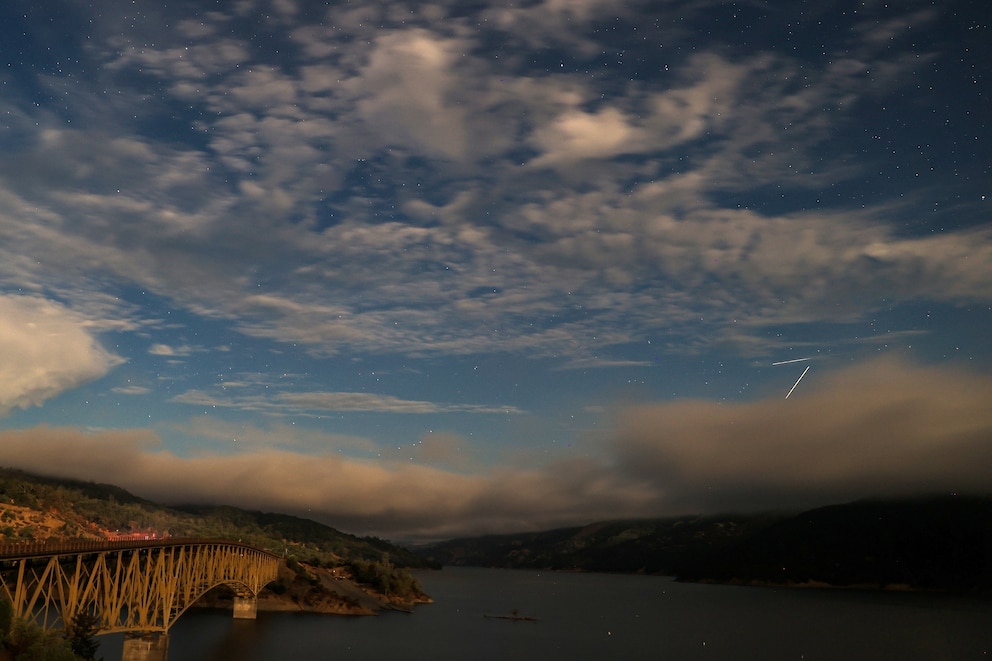
The Perseids are pieces of space debris that come from the comet 109P/Swift-Tuttle.
The Perseids can "leave long 'wakes' of light and color behind them as they streak through Earth's atmosphere," and are known for "larger explosions of light and color that can persist longer than an average meteor streak," according to NASA.
You're likely to see more meteors late at night or early in the morning, according to the Planetary Society.
The Planetary Society says sky-gazers will benefit this year from a new moon, which is when the moon appears dark. If you can get away from city lights, you could be rewarded with 50 to 75 meteors per hour during the shower's peak.
As a warning: all three of these cosmic events are weather-dependent, with clouds potentially impacting viewing.