White House considering punishing some NATO allies it says didn't help with Iran war: Official
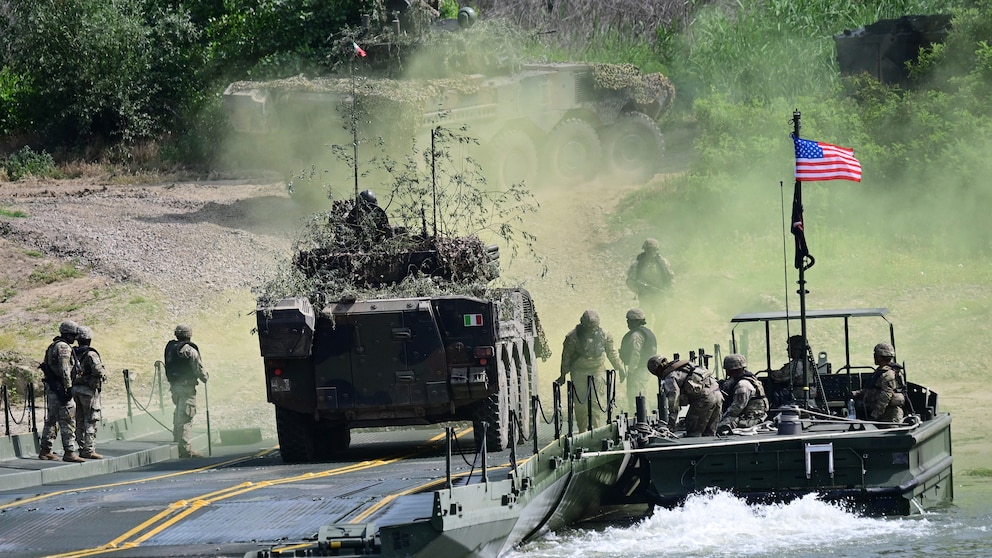
The Trump administration is weighing punishing some NATO allies seen as unhelpful during the conflict with Iran by shifting U.S. troops away from those countries, an administration official tells ABC News.
The official adds that the troops would likely be repositioned in countries viewed by the administrative as having been more supportive of its war efforts. It’s unclear how advanced the plan is and which countries would be impacted if the decision is made to implement it.
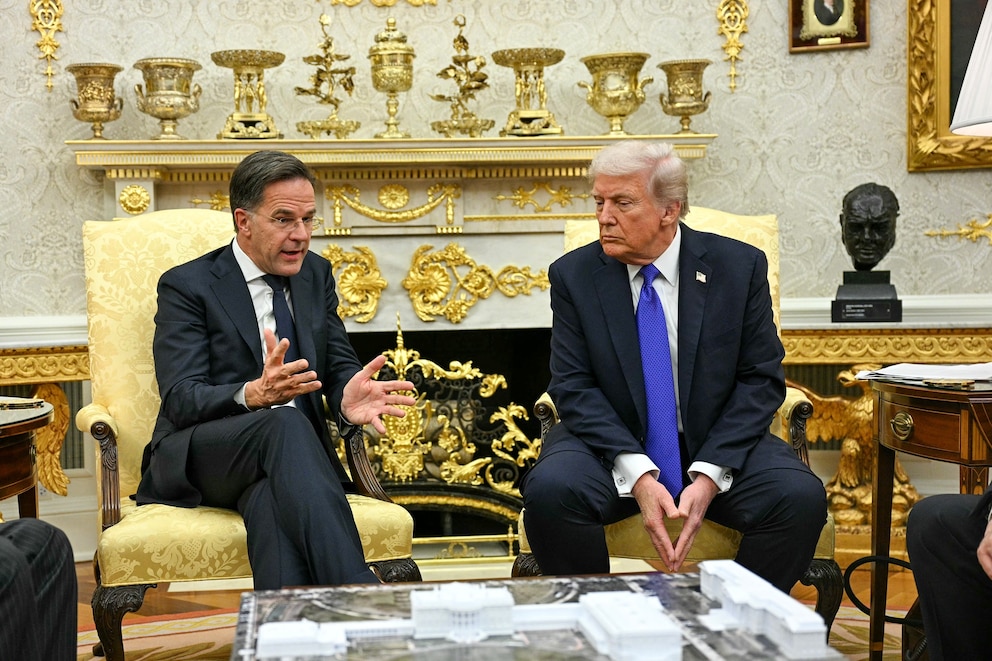
When asked if Trump is considering punishment for NATO allies who did not heed his requests and whether this proposal was presented to Secretary General Mark Rutte during his meeting with Trump on Wednesday, a White House official pointed to earlier remarks from Secretary of State Marco Rubio in which he questioned why the U.S. would continue to position troops in Europe if it was restricted from using jointly operated bases.
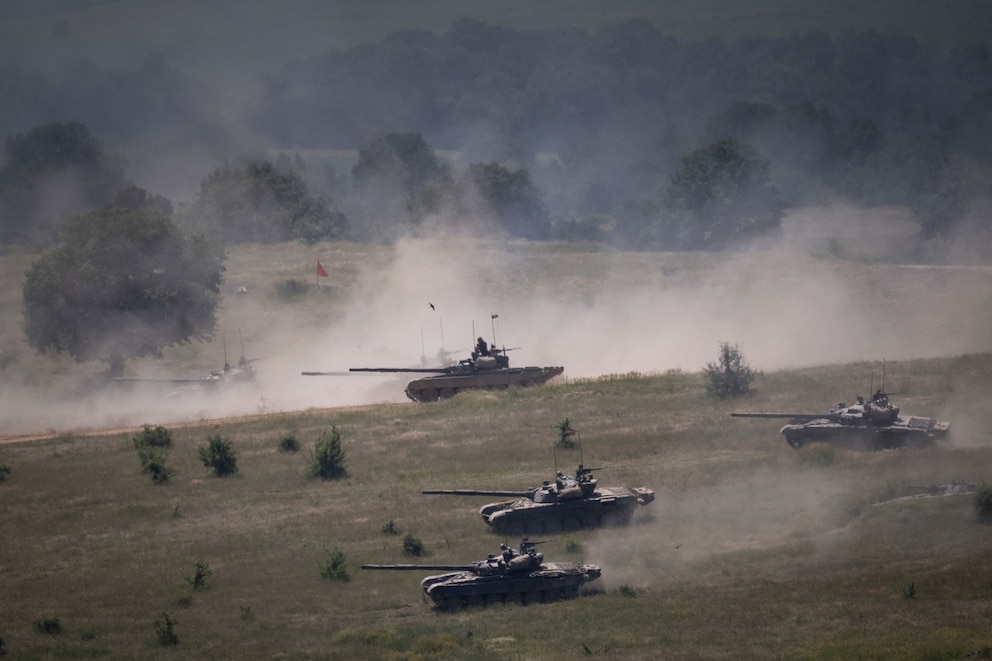
"Why are we in NATO? You have to ask that question. Why do we send trillions of dollars and have all of these American forces stationed in the region, if in our time of need, we won't be allowed to use those bases?" Rubio said during an interview with Fox News in early April.
White House consideration of a plan to punish NATO allies by redistributing troops was first reported by the Wall Street Journal.
At an appearance the day after his meeting with Trump, Rutte said Thursday that allies were a bit slow to support Operation Epic Fury, but that European support was essential, and some allies could be forgiven for flat-footedness, given the surprise nature of the war.
"Let's consider the most recent events when it came time to provide the logistical and other support the United States needed in Iran. Some allies were a bit slow, to say the least. In fairness, they were also a bit surprised," Rutte said at the Reagan Institute in Washington.
The secretary general wouldn't say if NATO had a direct role to play in opening the Strait of Hormuz, as Trump has called for, but praised the United Kingdom's efforts to establish a coalition to facilitate its reopening.
Rutte also made an argument for NATO's utility in U.S. security.
"Sometimes it takes a couple of days, but then we pulled together, and almost the whole of Europe did for the U.S. to project power on the world stage through its partners in Europe," he said. "And NATO is there, of course, to protect the Europeans, but also to protect the United States. As Jonas Støre, the Norwegian prime minister, said, ‘These huge nuclear submarines in Russia are not there to attack Norway. They are there to attack the United States, and as it thanks to the alliance that we are able to make sure that they are not able to get in a position to do that."
German Chancellor Friedrich Merz said Thursday that he and Trump "discussed the future of NATO," during a call on Wednesday, but the subject of pulling U.S. troops from bases in Germany didn't come up.
"We do not want -- I do not want NATO to split," Merz said. "NATO is a guarantor of our security, including and above all in Europe."
Overseas basing rights that allow the U.S. to station troops and equipment through Europe were a major topic of discussion during Rutte’s meetings in Washington, according to the administration official.
Basing rights are vital to both U.S. military operations abroad and fulfilling the logistical, deterrent and security functions of the NATO alliance, but the diplomatic accords that serve as their foundation are complicated.
While NATO members are party to a multilateral Status of Forces Agreement, basing rights are still largely managed by separate, bilateral agreements between host nations and the U.S.
Trump and members of his administration have expressed grievances against a long list of NATO allies, but none more so than about Spain. Spain's government has condemned U.S. and Israeli strikes on Iran as violations of international law and denied the U.S. permission to use joint bases at Rota and Morón for its operations.
There are currently more than 3,600 active-duty U.S. military personnel stationed in Spain, according to Statista. The U.S. European Command (EUCOM) says there are more than 80,000 American military and civilian personnel stationed across the continent of Europe.
ABC News' Chris Boccia contributed to this report.