'Worst-case scenario of famine' unfolding in Gaza, IPC says
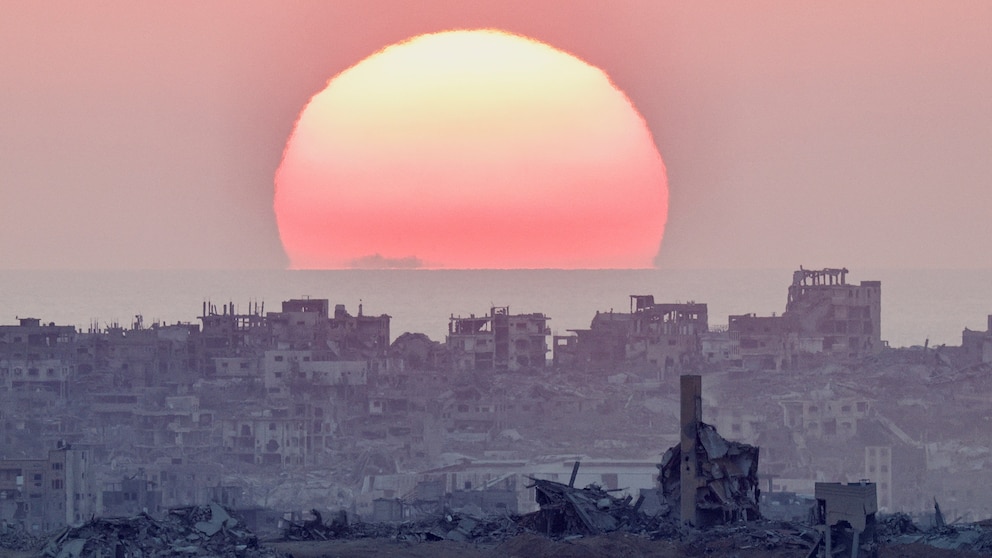
LONDON AND NEW YORK -- The "worst-case scenario of famine" is unfolding in Gaza, according to a warning issued Tuesday by the Integrated Food Security Phase Classification, a global initiative monitoring hunger with the backing of governments, the United Nations and nongovernmental organizations.
"Mounting evidence shows that widespread starvation, malnutrition, and disease are driving a rise in hunger-related deaths," the IPC warning said. "Latest data thresholds have been reached for food consumption in the Gaza Strip, and for acute malnutrition in Gaza City."
The IPC is the international body that determines a famine before one is declared, typically by either the host government or the United Nations. The IPC said the alert "does not constitute s famine classification" but said a new analysis would be conducted imminently based on the new data available.
The alert called for immediate action to end hostilities and to allow unimpeded access to life-saving humanitarian aid.
"Unhindered, safe, stable and sustained humanitarian access must be guaranteed across the entire Gaza Strip and through all entry points -- land, sea and air -- to enable the delivery of lifesaving, multi-sectoral assistance and services at scale, and data collection on human welfare across the Gaza Strip," the report read.
Israeli Prime Minister Benjamin Netanyahu and members of his administration have repeatedly denied there is a hunger crisis in Gaza.
"Israel is presented as though we are applying a campaign of starvation in Gaza. What a bold-faced lie," Netanyahu said during an event in Jerusalem on Sunday. "There is no policy of starvation in Gaza, and there is no starvation in Gaza."
U.S. President Donald Trump appeared on Monday to contradict Netanyahu, saying he doesn't know if he believes claims that there is no starvation occurring in Gaza.
The Israeli military said on Sunday it would put in place daily "tactical" pauses and open corridors to facility aid delivery.
Over the weekend, the Israel Defense Forces (IDF) said it would be coordinating aid airdrops with foreign nations. Organizations, including Médecins Sans Frontières, or Doctors Without Borders, criticized the airdrops, claiming in part that they're "notoriously ineffective and dangerous."
Since the IPC's last report in May, which placed the entire territory of Gaza in an "emergency" level of food insecurity, the second-highest level of food insecurity, a 4 out of 5, according to the IPC classification system, the alert found the humanitarian crisis has worsened.
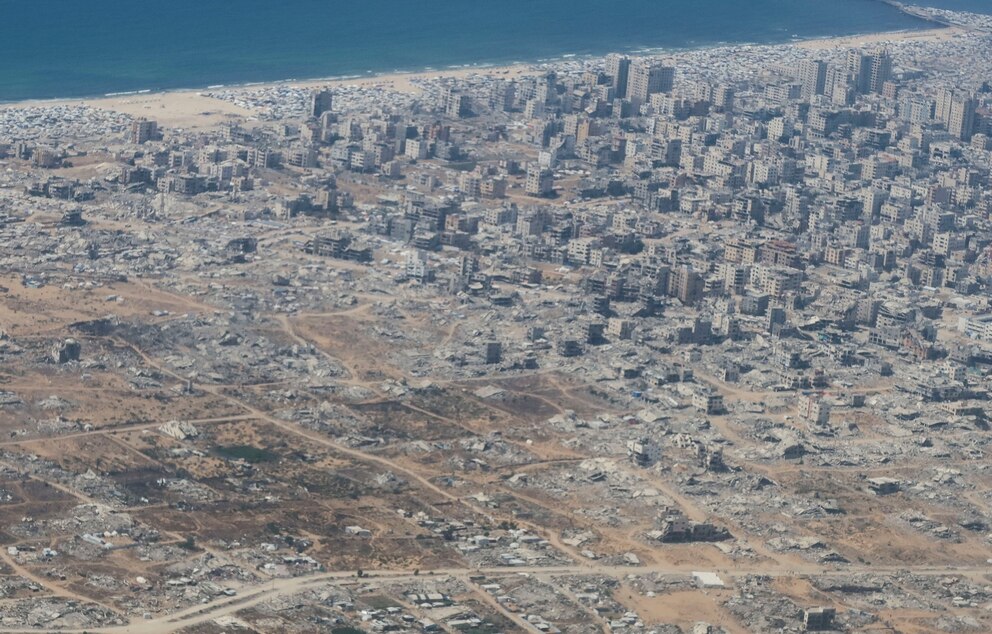
The alert pointed to more people being killed or displaced since the last analysis and only a "trickle" of aid being let in after Israeli lifted a two-month blockade.
"The increase in hostilities, frequent displacements, and extremely restricted humanitarian access (from land or sea) have driven a significant deterioration in food security across the territory," the alert read. "With virtually no means to grow, harvest, or catch their own food, humanitarian assistance has been a lifeline for Gazans, but what makes it in and reaches people is highly insufficient. Markets are collapsing as retailers grapple with severe stock shortages, following weeks without commercial food entry. Prices of the meagre remaining food items continue to rise at an alarming rate."
Additionally, the IPC said it was issuing a "stark" warning about the scenario unfolding in Gaza, adding that malnutrition had been "rising rapidly" in the first half of July.
"Immediate action must be taken to end the hostilities and allow for unimpeded, large-scale, life-saving humanitarian response," the initiative said in its alert. "This is the only path to stopping further deaths and catastrophic human suffering."
Aid organizations responded to the IPC alert by calling for further action to secure more access to humanitarian aid. In a statement, Jolien Veldwijk, Palestine Country director for the NGO CARE, noted that more than 100 deaths have been recorded from malnutrition in Gaza.
"Sadly, we know this will accelerate in the coming days," the statement read. "It is already too late to save the lives of many of the most vulnerable, including the elderly, disabled and infants. Over 40% of pregnant and breastfeeding women are severely malnourished, while nearly one in five children under the age of five in Gaza City is acutely malnourished. Bringing people back from the brink of starvation requires specialized medical treatment, not just food and water. For many, especially children, the damage will be permanent."
As of Monday, at least 147 people have died of hunger since the war began on Oct. 7, 2023, according to the Hamas-run Gaza Ministry of Health. Of the total deaths due to hunger, at least 88 have been children, the ministry said.
Recently, more than 100 aid groups warned last week of a dire food shortage in the territory, saying there was an impending "mass starvation" for the Palestinians living there.