One year from today: Census 2020 will be done under the shadow of the presidential election
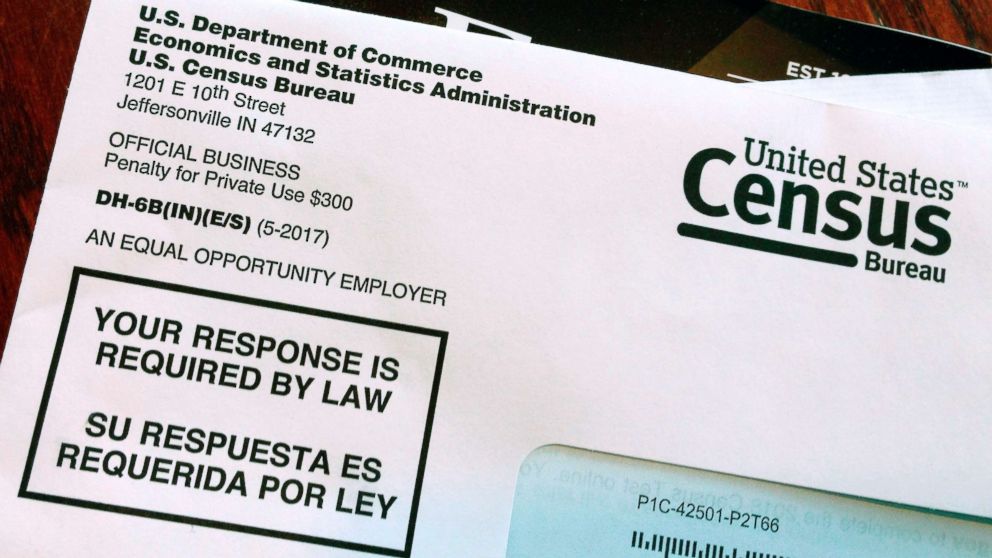
Mark your calendar. One year from today, the U.S. will conduct its nationwide count of every man, woman and child in the 10-year census. And for the first time, you can respond online and in one of a dozen languages other than English.
This census also will give people more detailed options when answering the question of race.
The massive outreach effort is estimated to influence some $675 billion in federal dollars by helping decide where to build roads, schools and health clinics. It also can impact the number of congressional and electoral college seats each area receives. People living inside the United States next April 1 are required by law to respond to the census, which is mandated by the Constitution, although prosecutions or fines are mostly unheard of.
"Our mission is to count everyone living in the United States – once and only once, and in the right place," said Steven Dillingham, director of the U.S. Census Bureau.
While participation in the nationwide count is widely considered to be beneficial – the more people counted, the more resources an area gets – this upcoming census comes at a time of deep political divisions and distrust in some communities of the federal government and the Trump administration.
For the first time in 70 years, the White House wants to add a question about U.S. citizenship. While a person's legal status in the country has been included in other questionnaires sent to samples of households, a citizenship question hasn't been included in the decennial census since 1950.
Some local governments and immigrant advocacy groups have called the question discriminatory and said it would undermine the count because many people, even those in the country legally, would be reluctant to respond out of fear of deportation. Two federal judges have struck down the move, and the Supreme Court was expected to hear oral arguments on the issue later this month.
Trump tweeted Tuesday that without the citizenship question, the census would be "meaningless and a waste the $Billions (ridiculous) that it costs to put together. The U.S. Census Bureau has previously estimated the cost to be $15.6 billion.
Secretary Wilbur Ross, who now oversees the effort as head of the Commerce department, was expected to testify Wednesday before Congress on the administration's 2020 budget request.
Officials said Monday that an effort is underway to hire census takers and to collaborate with local communities to ensure accuracy of the count. But in addition to census takers who will go door-to-door, the decennial census count also is going digital for the first time by allowing online responses. People will also have the option of calling a 1-800 number or returning their paper questionnaire via mail. The U.S. Census Bureau says it is taking extra precautionary measures to ensure the data is protected online.
While officials running the census say the work has been under way for some time, including a widespread hiring effort of temporary workers, Americans won't start seeing questionnaires until early 2020, starting with rural parts of Alaska that January. The goal is to count every person where they are living on April 1 of next year.
The challenge of the 10-year census can seem daunting. The goal, officials say, is to count even those people living in unusual circumstances such as in prison or an immigration detention center, on the streets or at a campground, as well as college students who might bounce around group houses. Officials say the people most often under counted are actually infants and young children -- a count made all the more difficult when children split their time between parents.
The U.S. Census Bureau addresses similar questions in an online fact sheet, including people who are born or die on April 1. According to the bureau, anyone alive for even part of the day should be counted.