Fighting a Rare Cancer and an Insurance Carrier
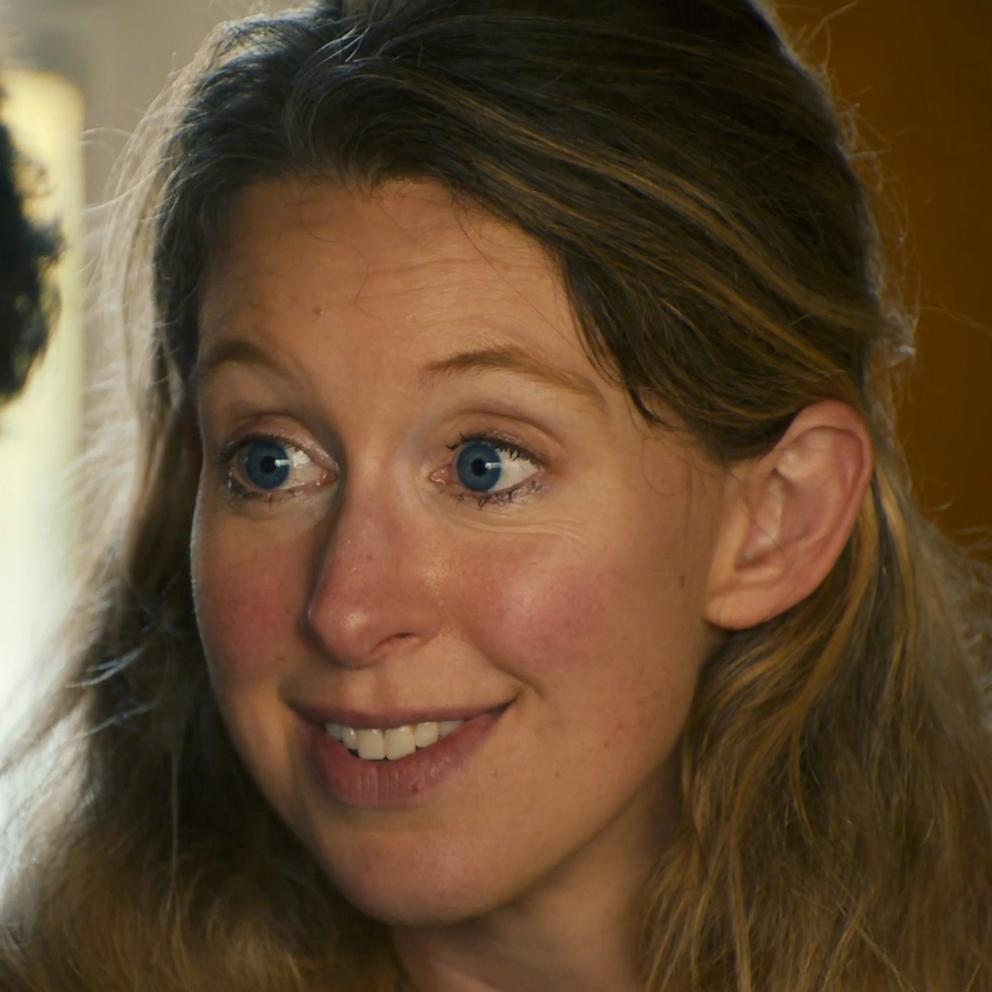
July 18, 2007 — -- Missouri native Mary Casey hoped that retirement would mean the beginning of a new life with her family.
Instead, it marked the start of the fiercest battle of her life, a battle against adenoid cystic carcinoma, a sinus cancer so rare there are no drugs approved by the U.S. Food and Drug Administration to treat it.
"I've pretty much lost control," Casey, 57, said on "Good Morning America." "You lose control when you get cancer."
Despite surgery and months of radiation, the aggressive cancer spread to Casey's lungs. But doctors said her cancer was slow growing, and that there was hope in a popular cancer drug called Tarceva.
But when Casey went to fill her Tarceva prescription at the pharmacy, her insurer, Coventry Health Care of Kansas, denied her coverage for the drug, saying it considered Tarceva experimental in her case, even though Tarceva is FDA approved for other lung and pancreatic cancers.
Often, FDA-approved drugs are prescribed to treat illnesses other than those for which they were originally intended. But insurance companies can refuse to cover them if their policies exclude experimental treatments, leaving some patients with nowhere to turn.
Jerry Flanagan, health care policy director for the Foundation for Taxpayer and Consumer Rights, criticizes this insurance industry practice.
"Insurance companies broadly look at ways to deny coverage," he said. "One of their favorite strategies is to call the treatment experimental so that they can deny access and keep the premiums and profits for themselves."
Even though the FDA approved Tarceva for other cancers, Casey's insurer said it had not been proved effective for her cancer. In Casey's case, big money is at stake.
"I said to the pharmacist, 'If I pay for this myself, how much would it cost?' And she said $4,602 -- for one month," Casey said.
Desperate, Casey sought a second opinion from head and neck cancer specialist Dr. Edward Kim at the highly regarded M.D. Anderson Cancer Center in Houston. After Kim examined Casey, he also recommended Tarceva as Casey's best chance to fight the cancer.