In deadly climbing season at Everest, crowds add to high risks
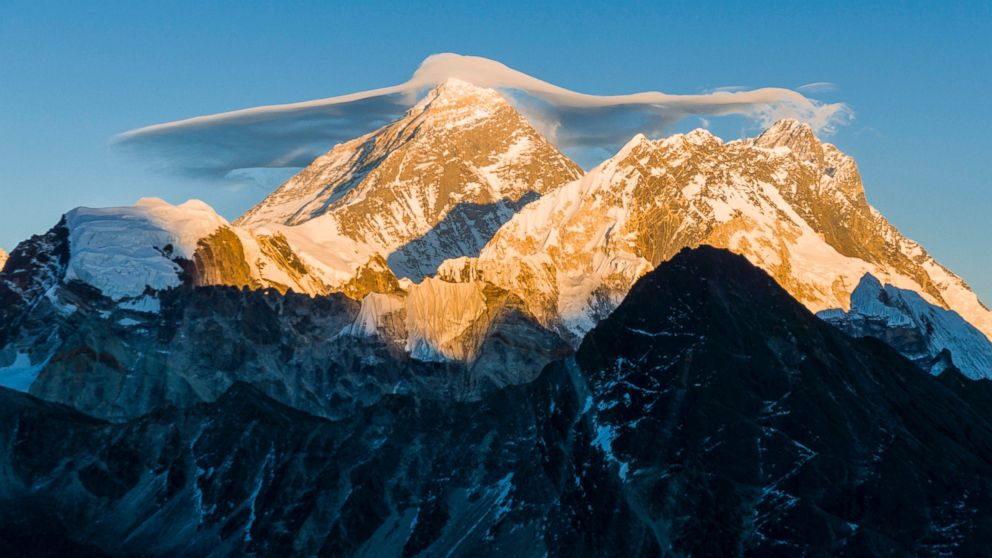
— -- As climber fatalities continue to rise at the peak of Mount Everest, experts are questioning if the already high risk of climbing the world's tallest mountain combined with unusually high numbers of climbing permits has made the quest too perilous.
"Everest has enough dangers as it is," Dr. Kenneth Kamler, the author of "Surviving the Extremes," said. "You don't need to add that additional danger of waiting in line."
The bodies of four climbers were recovered from a tent on the highest camp on Mount Everest this week, authorities said, bringing the death toll to 10 for this season.
The camp was located in an area known as "the death zone," located at over 26,000 feet, where oxygen measures one-third normal levels.
"Altitude is not natural to the body," Kamler said. "The body can't acclimatize to an altitude higher than about 18,000 feet. Beyond that your body just deteriorates."
"The conditions are harsh," David Keaveny, a medical operations specialist at Global Rescue told ABC News. "Ten to twenty-five below zero, steady winds over 60 mph."
But, he believes the 700-plus climbers he has observed on the mountain are an even larger threat. Keaveny has already flown 50 rescue missions to Everest this season.
Kamler, who has made several attempts at reaching the summit of Everest, told "Good Morning America" today that this rising combination of altitude and overcrowding is presenting a huge challenge.
"Your metabolism slows down like a smoldering fire and you lose your energy, you lose your ability to think clearly. That leads to all kind of secondary problems," Kamler said.
The biggest issues at Everest include altitude sickness, frostbite, falls, avalanches -- and, now, overcrowding.
Kalmer said in addition to the number of people, climbing to the summit of Everest has "become a trophy for a lot of people, they're not really mountaineers."
"You shouldn't attempt Everest unless you've done a lot of other mountaineering and have really proven to yourself that you can do that kind of thing relatively safely," he said.