Man Smuggled 25 Bird Eggs Across the Globe--In His Underwear
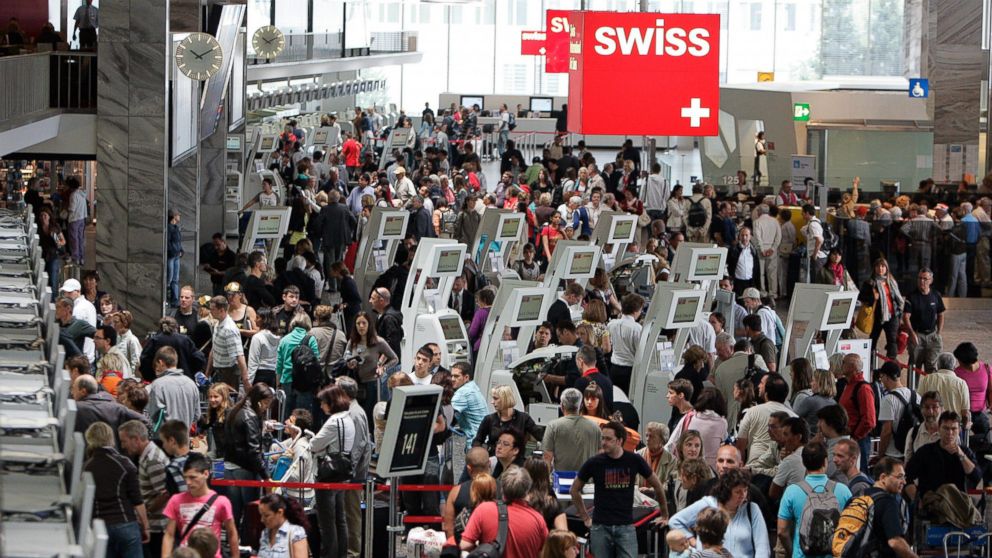
Oct. 17, 2013— -- A bird specialist has been arrested by Swiss customs authorities for smuggling across international borders more than 25 rare bird eggs in his underpants while flying around the world, according to reports.
The bird trader and Swiss citizen, who remains unnamed, was arrested in 2010 at the Zurich airport after arriving from Sao Paulo, officials told the Agence France-Presse, but the agency had waited to release details until now as the probe into his international network of contacts was ongoing.
In total, the man smuggled 150 eggs over the course of his travels. Many of the eggs came from endangered species and rare parrots, sold to buyers in Thailand, Mexico and Indonesia, though it was unclear where they had originated. The collected contraband was valued at approximately 65,000 Swiss francs, or about $71,800, reports stated.
The European Union has banned the import of birds since 2007. Meanwhile, the U.S. Wild Bird Conservation Act was passed in 1992. Both decisions were in response to the impact that trafficking has on fragile populations.
"One hundred fifty eggs--that's quite a serious case," said Michael Parr, vice president of the American Bird Conservancy. "It could significantly impact the global populations of certain endangered species, depending upon the birds involved."
Requests made by ABC News for Swiss customs to comment on the species involved in the case did not receive an immediate response. But Parr added that the size of bird eggs can vary, making it possible for 25 to be transported inside of one's underwear.
"Macaw eggs are fairly large, golf-ball size," he said. "But some of the parakeets have quite small eggs, the size of a thimble."
In addition to the eggs, the Swiss bird trader possessed an aviary containing several hundred birds, including endangered species. An accomplice at the airport was arrested along with the trader, and seven rare parrots were seized by the Swiss veterinary service. Both men have been fined for trafficking, according to reports.
Had the arrest taken place in the United States, the trader might have been imprisoned as Tony Silva was in a high-profile bird trafficking case in 1996, said Parr.
After posing as an expert and bird conservationist for years, Silva was discovered to be smuggling. In total he was charged with trafficking more than 100 rare hyacinth macaws and hundreds of other exotic birds. Silva was sentenced to seven years.