More than 14M children globally have not received a dose of any vaccine: WHO
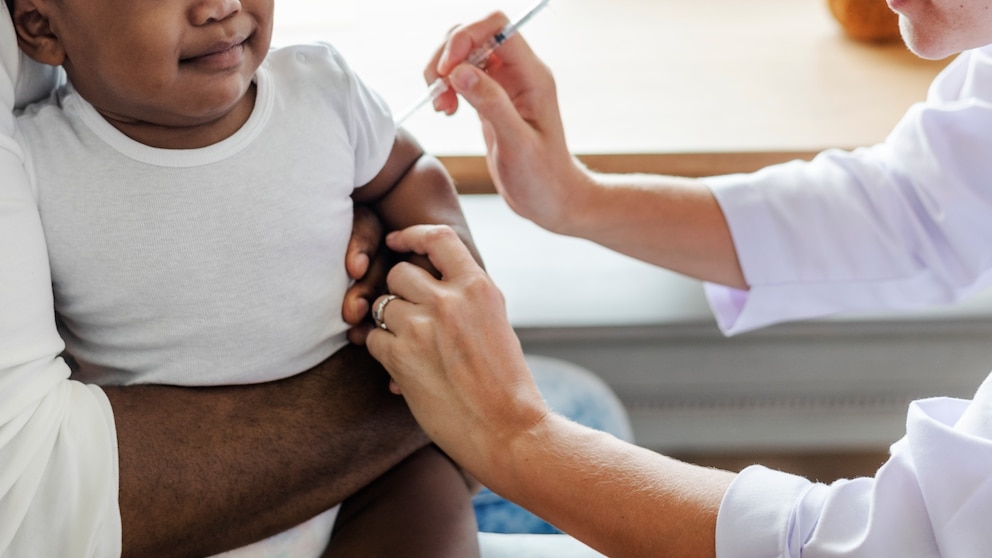
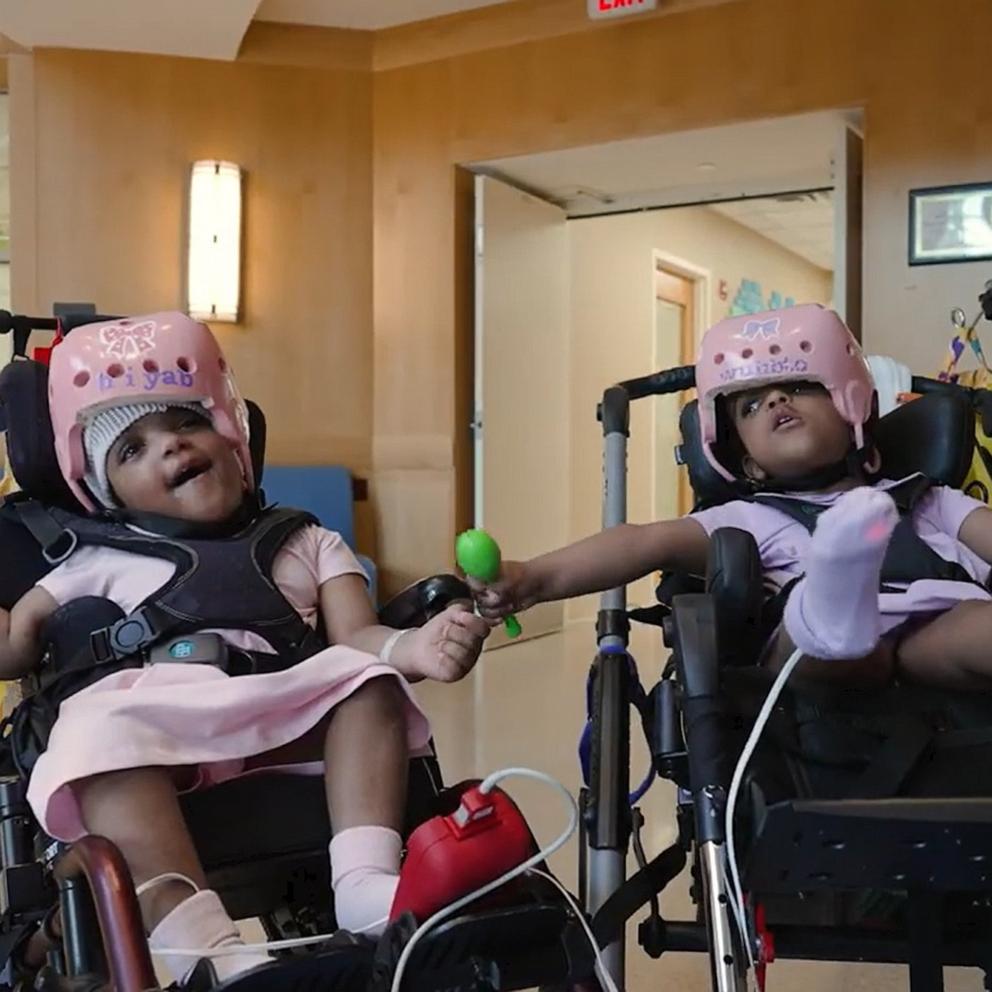
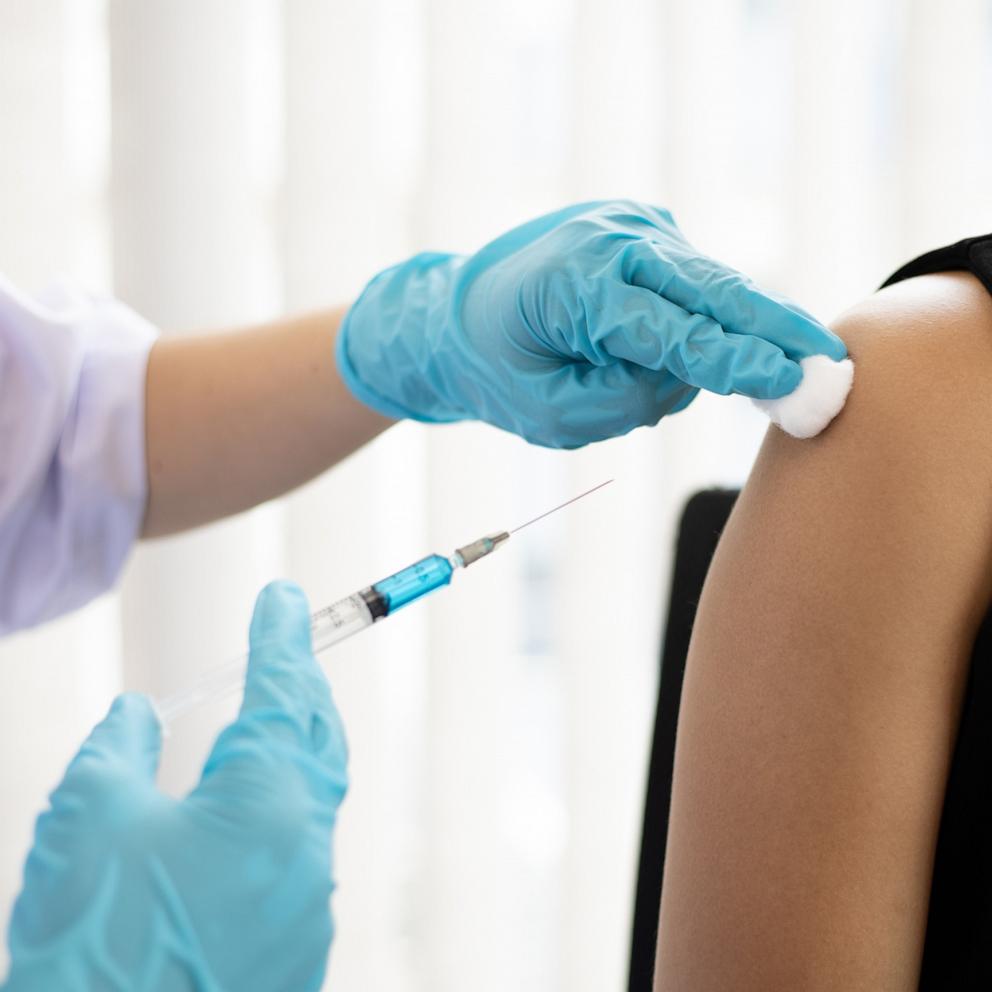
More than 14 million children around the world have not received a single dose of any vaccine, according to new data from the World Health Organization (WHO) and UNICEF.
This is 4 million more children than the 2024 target set by the WHO and 1.4 million more children than in 2019, which is the baseline year for measuring progress.
About 25% of the world's infants live in 26 countries that are affected by conflict, fragility or humanitarian crises, but they make up half of all unvaccinated children, according to the global health agency.
Children are unvaccinated or under-vaccinated for many reasons including lack of access, disrupted supply, conflict and instability, or misinformation about vaccines.
"Stalling of vaccine coverage, even the smallest drops in immunization coverage as measured at the country level, can have devastating consequences," Dr. Kate O'Brien, director of the WHO's Department of Immunization, Vaccines and Biologicals, said during a press briefing on Monday. "It opens the door to deadly disease outbreaks and puts even more pressure on health systems that are already stretched. Immunization Agenda 2030 targets are in reach to protect more children [with] life-saving vaccines."

Immunization Agenda 2030 is in reference to a series of goals put forth by the World Health Assembly to address challenges in improving access.
However, there were some bright spots in the report. In 2024, 89% of infants globally, equivalent to about 115 million, received at least one dose of the diphtheria, tetanus and pertussis (DTP)-containing vaccine, and 85%, roughly 109 million, completed all three doses.
By comparison, in 2023, about 171,000 more children received at least one vaccine and one million more children received the three doses.
Protection against measles also improved, with 84% of children receiving the first dose and 76% receiving the second dose. While these are slight increases from the previous year, it means 30 million children are unprotected, especially as the world faces an increasing number of outbreaks.
"The good news is that we have managed to reach more children with life-saving vaccines. But millions of children remain without protection against preventable diseases, and that should worry us all," Catherine Russell, executive director of UNICEF, said in a statement.
"We must act now with determination to overcome barriers like shrinking health budgets, fragile health systems along with misinformation and access constraints because of conflicts. No child should die from a disease we know how to prevent," Russell said.
The release of the data came just a few weeks after Health and Human Secretary Robert F. Kennedy Jr. said the U.S. was pulling its funding from GAVI, an international organization that works to improve access to vaccines, claiming the organization "ignored the science."
Kennedy claimed in a video posted online that the U.S. had provided $8 billion in funding to GAVI since 2001.
Public health officials called on governments around the world to help fill the gaps in funding, although the U.S. withholding funds was not explicitly stated.
"It is really, really important that maintaining these coverage trends, which are quite easily fragile unless efforts are sustained," Dr. Ephrem Lemango, associate director for health and global chief of immunization at UNICEF, said during Monday's press briefing.
"It is important that we maintain our commitment to immunization, and we're calling on governments and partners and communities to do all that is necessary to maintain immunization coverage, including closing the funding gaps, serving communities in conflict and fragile settings, and addressing misinformation," Lemango said.