1st human case of flesh-eating parasite detected in US
The U.S. has confirmed the first case of a flesh-eating parasite in a human, the Department of Health and Human Services (HHS) said on Monday.
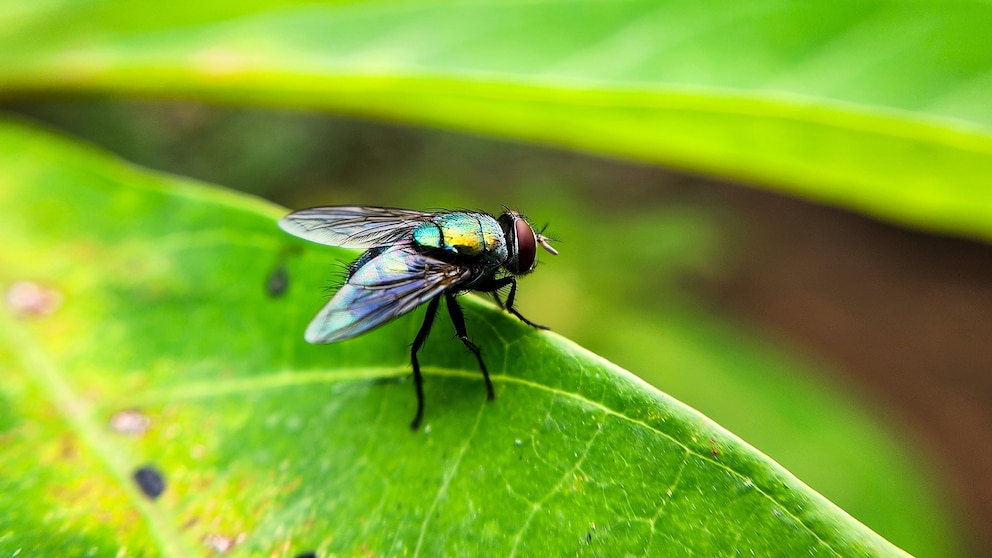
New World screwworm (NWS) is a species of parasitic flies that feed on live tissue. The name refers to the way in which maggots screw themselves into the tissue of animals with their sharp mouth hooks, causing extensive damage and often leading to death.
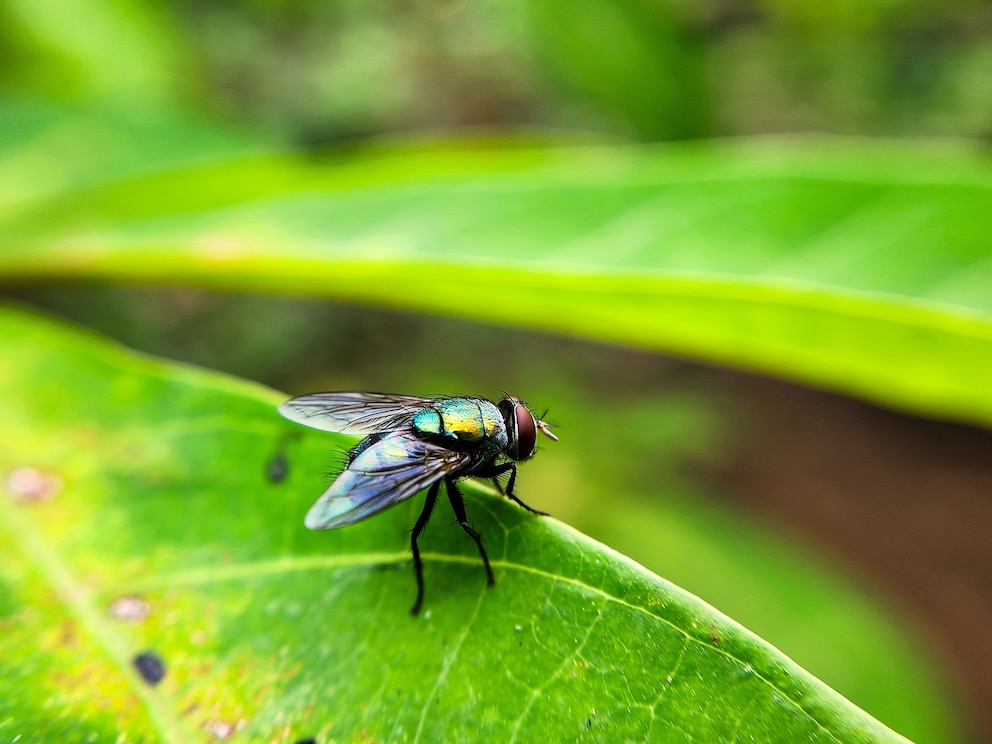
The patient returned from travel to El Salvador, an HHS spokesperson told ABC News in a statement.
The risk to the public in the U.S. is very low, they added.
The patient -- a Maryland resident -- has since recovered from the infection and there was no evidence of further spread, the state's health department said in a statement.
Countries in Central America and Mexico have been dealing with an outbreak of the parasite among livestock.
Panama saw infections among livestock rise from an average of 25 cases annually to over 6,500 in 2023, the U.S. Department of Agriculture (USDA) says. Since then, the parasite has been detected in seven other Central American countries, breaking a previously established barrier that contained the pest to South America for decades.
Screwworm has not been detected in animals within the U.S., the USDA noted. It was largely eradicated for decades in the U.S. through a technique in which male screwworm flies are sterilized and then released into the environment to mate with females until the population dies out.
But given the spread in neighboring countries, "[NWS] is not only a threat to our ranching community -- but it is a threat to our food supply and our national security,” the USDA said in a press release where they outlined initiatives to prevent the parasite from crossing into the U.S.
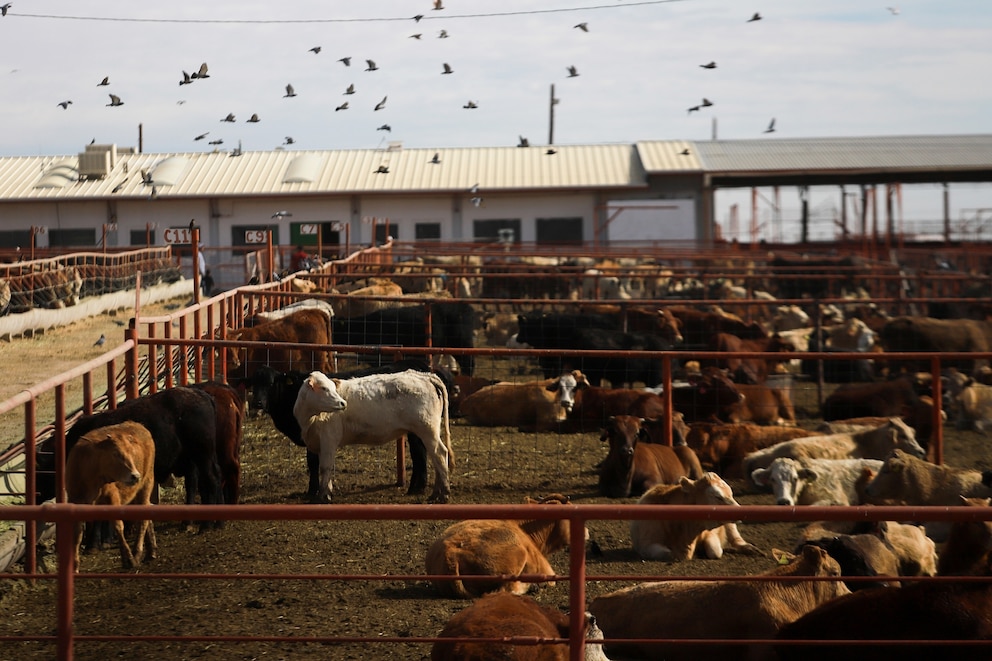
Those initiatives include building a sterile fly production facility in Texas and hiring mounted patrol officers to track wildlife crossing as well as detector dogs to track imports along ports of entry. In May, the USDA banned imports of live cattle, horse and bison from Mexico and has since slowly re-opened trade.
Earlier this month, the FDA issued an Emergency Use Authorization (EUA) for animal drugs to treat or prevent infestations caused by screwworm.
People who travel to outbreak areas, spend time among livestock animals, sleep outdoors, and have an open wound are at greater risk of becoming infested with screwworm, the CDC noted.