HPV Vaccine: A Little Pain Now, Cancer Protection Later
Jan. 7, 2008 — -- Last week, reports highlighted a possible increased risk of pain and fainting from the new human papillomavirus (HPV) vaccine Gardasil when compared to other vaccinations.
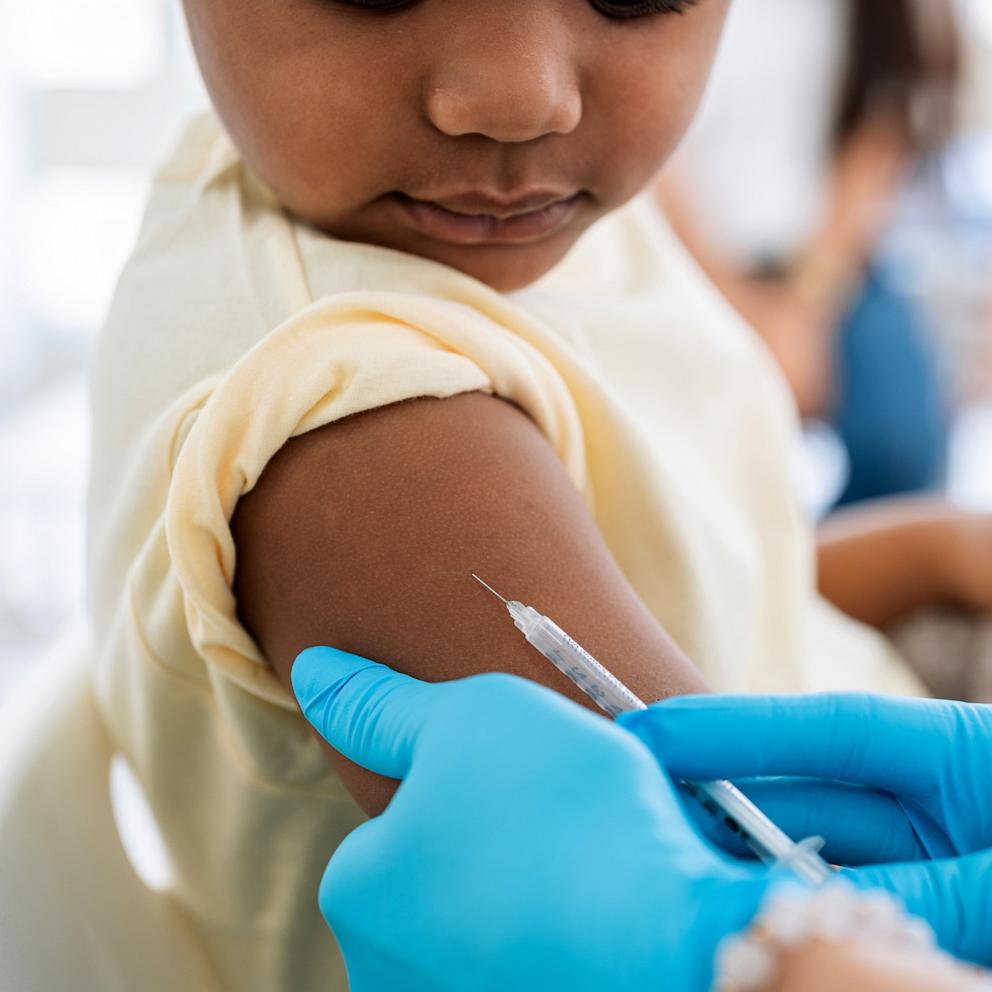
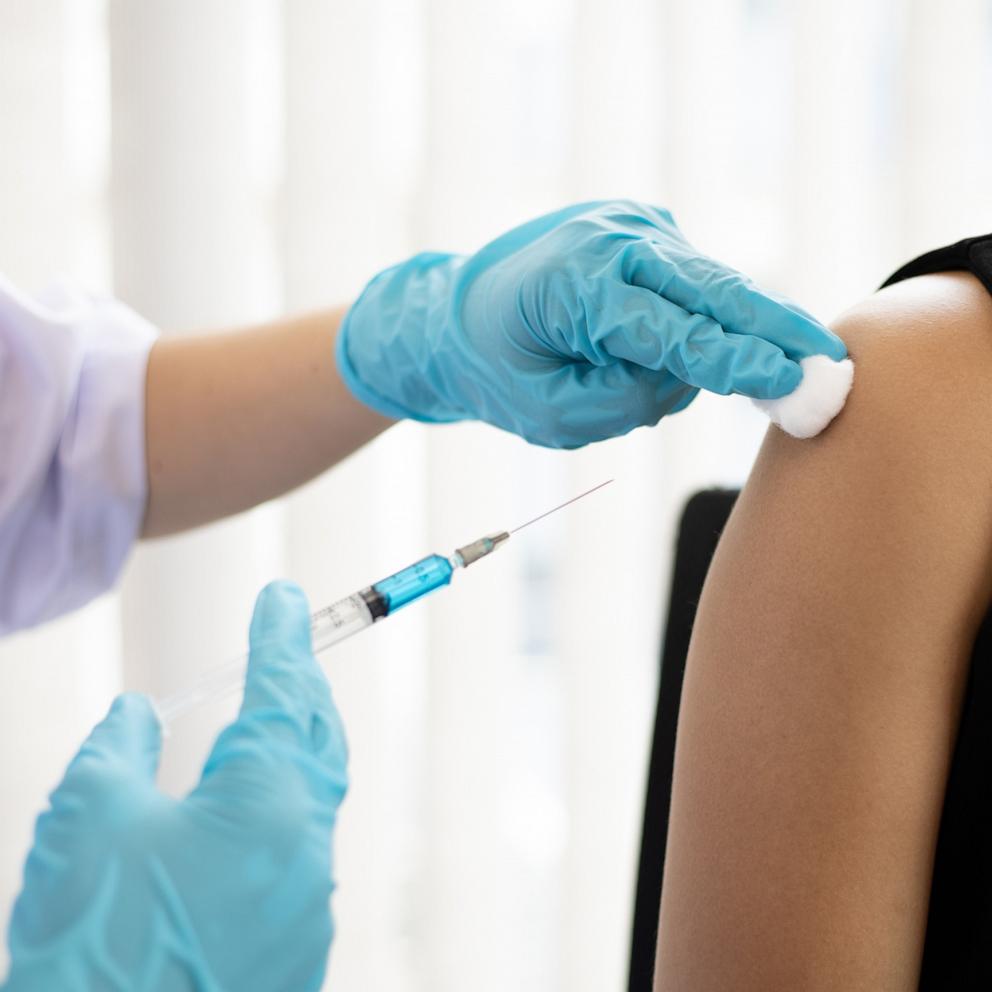
It is unclear why young women and girls are experiencing more pain than with other vaccines — the shot is given in the shoulder, and the pain generally occurs only at the site of injection — but the minor discomfort is temporary and has not been associated with other complications. With this in mind, it is clear that the small amount of pain is well worth the protection from cervical cancer, a potentially fatal disease.
But in order to truly realize how much protection this temporarily painful prick can bestow, it helps to first understand what exactly HPV is, and how it can lead to cancer.
The term human papillomavirus actually refers to a group of 100 DNA viruses that may cause warts (or papillomas), which are benign tumors. Common warts that are usually seen on hands and feet are caused by HPV. About 40 types of HPV can infect the skin in the genital area.
HPV is spread from one person to another from skin-to-skin contact during sexual activity. Since HPV is mainly a "silent infection" — meaning it usually does not cause symptoms — it is usually impossible to know when a person became infected or who gave it to them.
Genital HPV is the most common sexually transmitted infection in the United States, with approximately 6.2 million people becoming newly infected each year.
It is estimated that nearly one out of every four females between the ages of 14 and 59 in the United States are infected with HPV, and that on average, a woman has an 80 percent chance of becoming infected during her lifetime. Recent studies suggest HPV is just as common in college-age men.
Most people with genital HPV infections are unaware that they were exposed or infected and the virus goes away on its own after one to two years.
There are about 15 types of HPV that cause illness and are classified as either low-risk or high-risk HPV types. Infections with these types of HPV can persist for many years and even decades. The low-risk types of HPV can cause genital warts while the high-risk types can persist for many years and may develop into cancer of the cervix, vulva, vagina or anus.