Why America should help vaccinate the world against COVID-19: 'This is not charity'
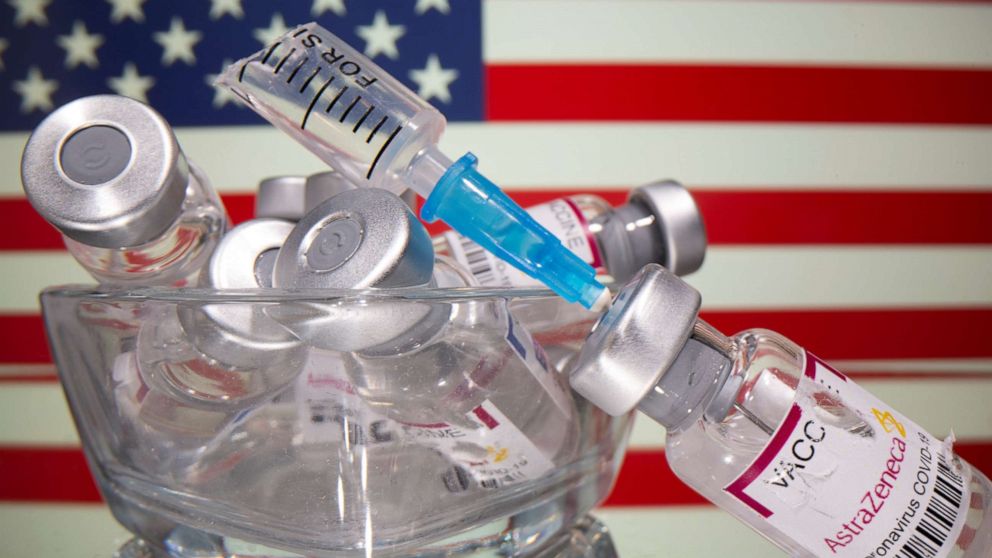
Last month, President Joe Biden pledged $4 billion toward providing COVID-19 vaccines to low- and middle-income countries. But public health experts say this isn't just altruism. With new variants emerging around the globe, ending the pandemic in America hinges on ending it everywhere.
Over the last six months, coronavirus variants have appeared in countries such as the United Kingdom, South Africa and Brazil -- as well as in the U.S.
"Viruses mutate when they replicate. As long as there's replication there's going to be mutations," said Carlos Del Rio, MD, execute associate dean and global health expert at the Emory School of Medicine.
Gaining enough key mutations could allow the virus to adapt and undermine the effectiveness of vaccines, which research shows may already be the case for the South African variant -- although protection so far appears dented, but largely intact.
If new COVID-19 infections persist in pockets of the world where mass vaccination has not been achieved, other variants could arise, which have the potential to evade current vaccines even more successfully than the variant from South Africa. This could prolong the pandemic everywhere.
To this end, various international bodies, including the World Health Organization (WHO) and the Global Vaccine Alliance (GAVI), came together early on in the pandemic to form COVAX, an organization intended to ensure rapid and equitable vaccine access to the world's 7.7 billion citizens.
This will be a crucial source of vaccine doses for 92 low- and middle-income countries, and will help combat "vaccine nationalism," where governments vie with each other to sign exclusive vaccine deals with pharmaceutical companies. This is where Biden's $4 billion is going.
"A lot of people continue thinking about this as charity. This is not charity, this has to be seen as solidarity," Del Rio said.
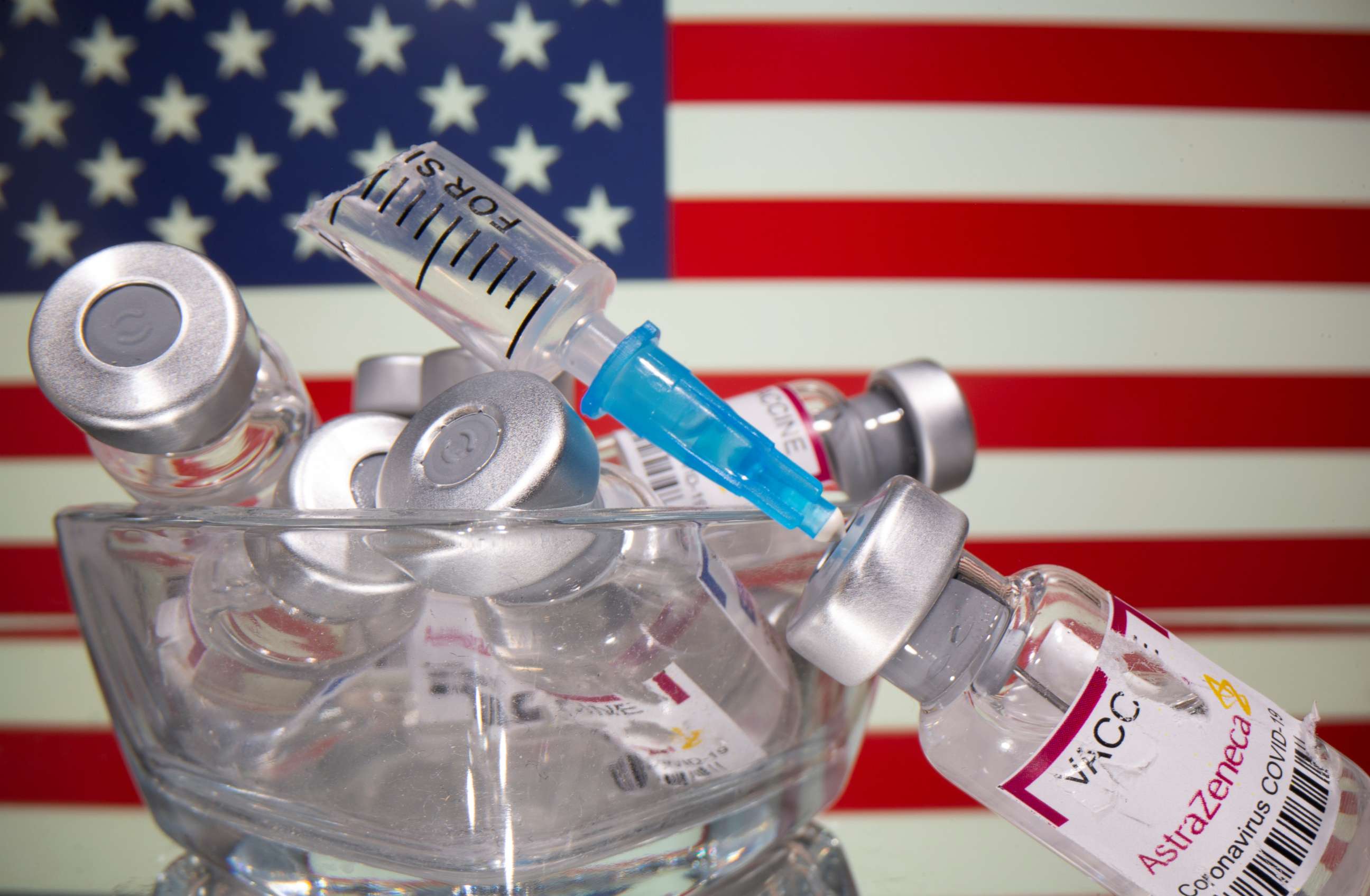
At the end of February, Ghana and the Ivory Coast became the first countries to receive vaccines through COVAX. Now, other countries in Africa, Latin America and Asia have also received vaccine doses. However, the number of doses distributed to these countries is nowhere near enough to achieve herd immunity and stop viral transmission.
"We depend on trade globally and if you want to re-establish global trade, we have to make sure that we don't have this virus floating around," Del Rio said, invoking the economic reasons why America should fund COVAX.
But it's not just the economy. With superpowers Russia and China donating their own homegrown vaccines to smaller nations, the U.S. is now under pressure to engage in this "vaccine diplomacy," to maintain its global standing and earn back goodwill on the world stage.
"You can't look at countries in isolation; we live in an incredibly interconnected world with travel and trade" said John Brownstein, PhD, epidemiologist and Chief Innovation Officer at Boston Children's Hospital.
He alluded to SARS and MERS as viruses which had pandemic potential, but were ultimately contained thanks to international cooperation. Polio, which paralyzed thousands of American children in the 20th century, but is now 99.9% eradicated worldwide, is another example of the success of global mass vaccination.
"We have to remember that this virus did not emerge in [the] U.S.; it's not a U.S. problem that requires a U.S. solution. It's a global phenomenon, and the response has to be considered global as well," Brownstein said.
Abarna Ramanathan, MD, is a third year internal medicine resident at the Cleveland Clinic in Ohio and a contributor to ABC's Medical Unit.