• Video
  • Shop
  • Culture
  • Family
  • Wellness
  • Food
  • Living
  • Style
  • Travel
  • News
  • Book Club
  • Newsletter
  • Privacy Policy
  • Your US State Privacy Rights
  • Children's Online Privacy Policy
  • Interest-Based Ads
  • Terms of Use
  • Do Not Sell My Info
  • Contact Us
  • © 2026 ABC News
  • Wellness

Nearly 1 in 5 American adults who had COVID still have long-haul symptoms, data shows
8:35
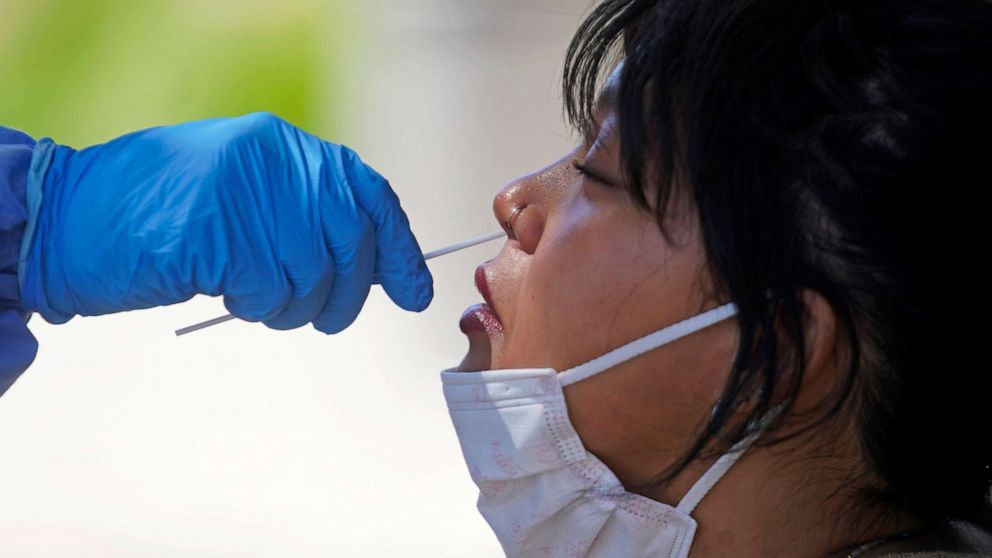
Hundreds of thousands of Americans fighting long-haul symptoms from COVID-19
Rick Bowmer/AP
ByArielle Mitropoulos
June 22, 2022, 10:21 PM

Nearly 1 in 5 American adults who have had COVID-19 are still suffering from long-haul symptoms, according to new data collected by the Census Bureau and Center for Disease Control and Prevention's National Center for Health Statistics.

The data, collected from June 1 to June 13, 2022, showed that more than 40% of adults in the United States reported having been infected with COVID-19 in the past, with 19% reporting that they are currently still experiencing symptoms of "long COVID."

A medical worker collects a swab sample from a man at a COVID-19 testing site on Times Square in New York, May 17, 2022.
Wang Ying/Xinhua via Getty Images

Overall, approximately 1 in 13 adults in the U.S. -- or 7.5% -- have long COVID-19 symptoms, which the groups define as symptoms that were not experienced by individuals prior to their COVID-19 infection, and these symptoms have lasted three or more months after first contracting the virus.

Related Articles

MORE: CDC gives the go-ahead for Pfizer and Moderna COVID vaccines for kids as young as 6 months

The new data showed that older Americans are less likely to suffer from long COVID-19, as compared to younger adults. Nearly three times as many individuals, in the 50-59 category, currently have long COVID, as compared to their counterparts, who are 80 years and older.

Women were also more likely than men to have long COVID-19, with 9.4% of women currently reporting long-haul symptoms, as compared to 5.5% of men.
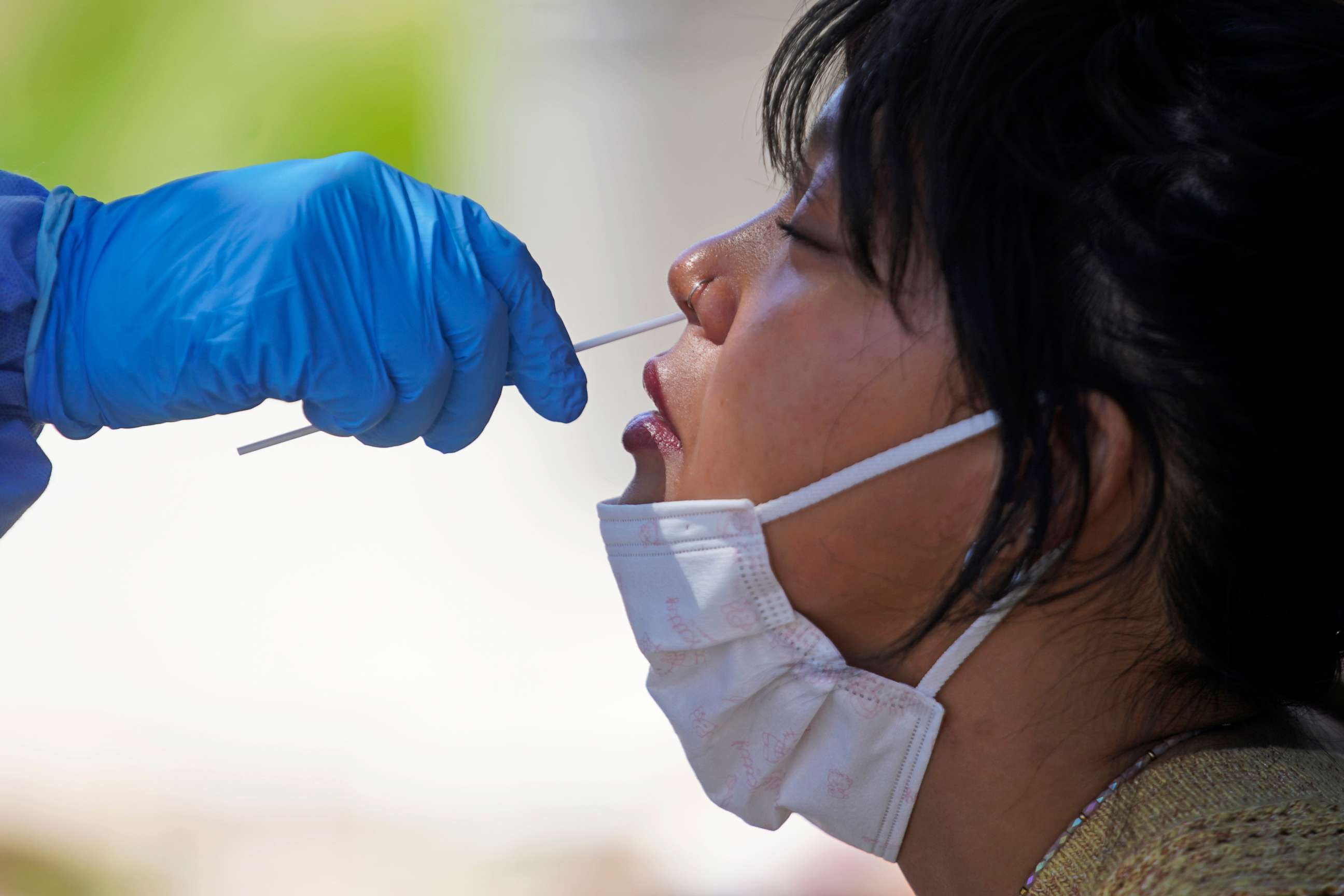
Delina Vongsady receives a COVID-19 test outside the Salt Lake County Health Department, June 21, 2022, in Salt Lake City.
Rick Bowmer/AP

Nearly 9% of Hispanic adults reported that they currently have long COVID, a percentage that is higher than non-Hispanic white (7.5%), Black (6.8%) and non-Hispanic Asian adults (3.7%).

Bisexual adults and transgender adults were also found to be more likely to suffer long COVID-19 symptoms as compared to adults of other sexual orientations and gender identities. An estimated 15% of transgender adults were reported to have long COVID-19 symptoms, compared to 5% of cisgender male adults and 9% of cisgender female adults.

Related Articles

MORE: COVID-19 nurse reflects on 1 million American virus deaths: 'We are still mourning losses'

Further explanation as to why some groups may have had higher rates of long COVID-19 was not specified.

Kentucky (12.7%), Alabama (12.1%), Tennessee and South Dakota (11.6%) were found to have the highest percentage of adults who currently have long COVID-19 symptoms.
Up Next in Wellness—

Adolescent and young adult cancers increase risk of developing future cancers

April 13, 2026

Teen with kidney disease finds donor living minutes away

April 10, 2026

Her battle with cancer went viral. After her death, the impact of her advocacy is still felt

April 8, 2026

Gabrielle Union shares emotional tribute after dad dies following dementia battle

April 6, 2026

Shop GMA Favorites

ABC will receive a commission for purchases made through these links.

Sponsored Content by Taboola

The latest lifestyle and entertainment news and inspiration for how to live your best life - all from Good Morning America.
  • Contests
  • Terms of Use
  • Privacy Policy
  • Do Not Sell My Info
  • Children’s Online Privacy Policy
  • Advertise with us
  • Your US State Privacy Rights
  • Interest-Based Ads
  • About Nielsen Measurement
  • Press
  • Feedback
  • Shop FAQs
  • ABC News
  • ABC
  • All Videos
  • All Topics
  • Sitemap

© 2026 ABC News
  • Privacy Policy— 
  • Your US State Privacy Rights— 
  • Children's Online Privacy Policy— 
  • Interest-Based Ads— 
  • Terms of Use— 
  • Do Not Sell My Info— 
  • Contact Us— 

© 2026 ABC News