'Approved' or 'authorized'? When it comes to COVID-19 vaccines, words matter.
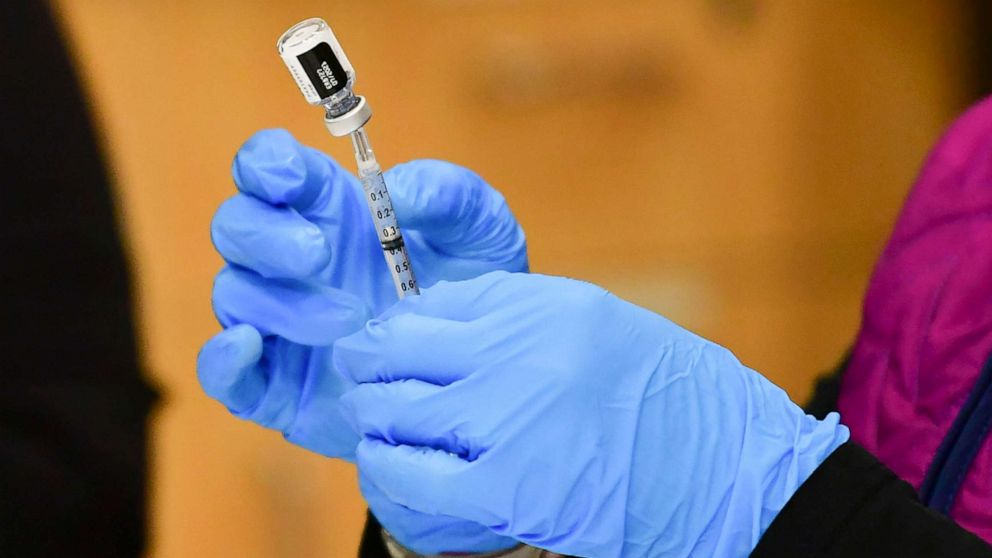
Pfizer and partner BioNTech have asked the Food and Drug Administration for full approval for their COVID-19 vaccine, a regulatory benchmark beyond the current emergency use authorization granted during the pandemic. Moderna and Johnson & Johnson are expected to submit similar requests before too long.
Many are eager for COVID-19 vaccines to advance to full-approval status as they believe this will reassure those who are vaccine hesitant while also helping employers and universities to enforce vaccine mandates. It also would ensure that COVID-19 vaccines still could still be administered after the pandemic ends, and the declaration of "emergency" is over.
"If the FDA provides full approval for these vaccines, we hope it will provide more confidence and ease the concerns of those who have not yet received the vaccine," said Dr. Michelle Medina, associate chief of clinical operations for Cleveland Clinic Community Health.
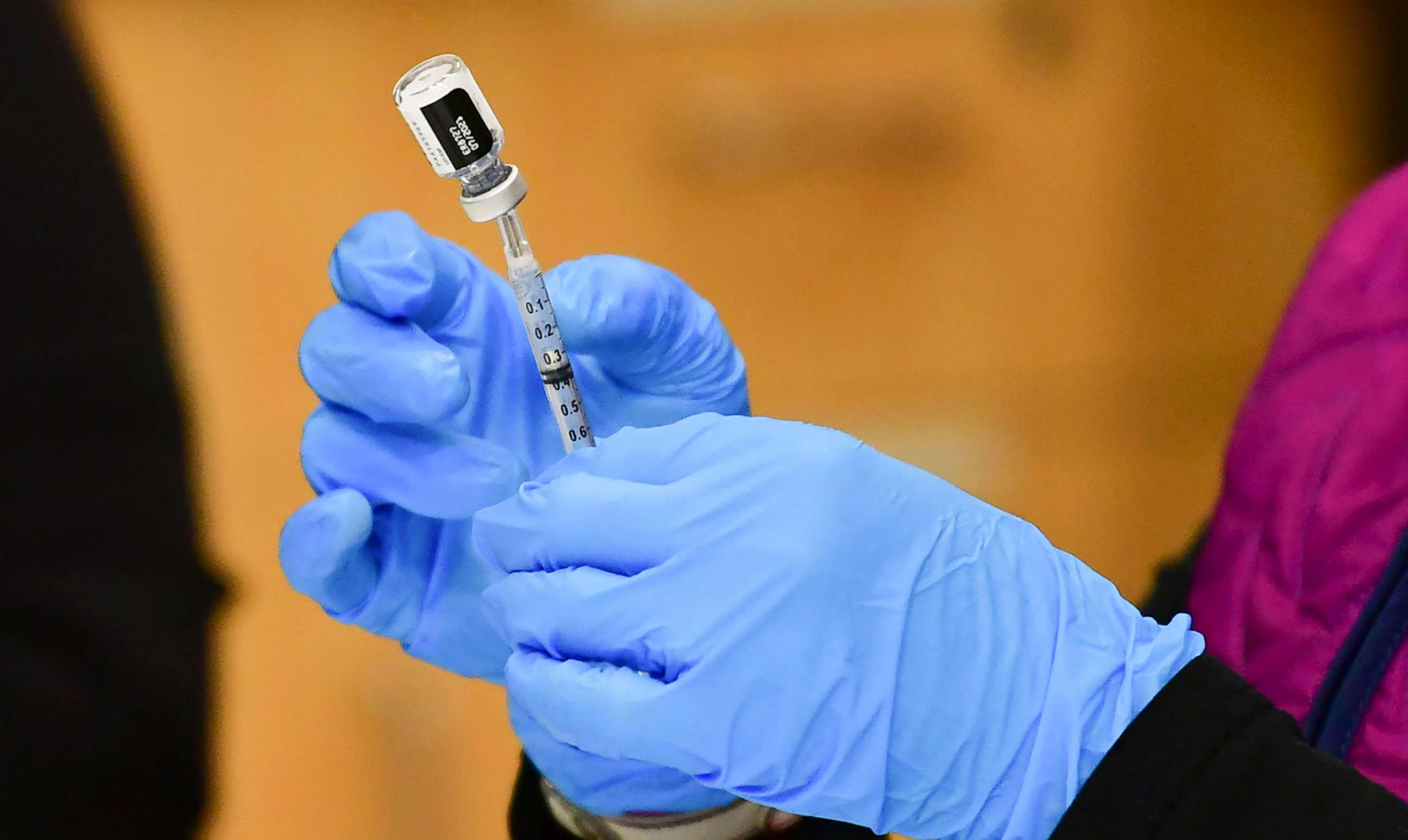
Vaccine hesitancy surrounding the EUA status is thought be a major reason for many people not getting the vaccine despite widespread availability and relatively easy access. The U.S. seven-day average of daily vaccine doses administered keeps declining -- it now stands at 2 million, a decrease of more than 20% just in the last week and 35% lower than on April 11.
Formal approval also may ease concerns about folding COVID-19 vaccines into existing vaccination requirements, such as mandatory flu shots for health care workers or the immunizations required for certain government or higher education employees.
The fact that COVID-19 vaccines are authorized -- not fully approved -- creates a historically unique situation for vaccine mandates. But for an increasing number of institutions, whatever the status of the vaccines, they're now a prerequisite for attendance.
Courts around the United States are reviewing challenges to these vaccine mandates on the grounds that they're authorized, not fully approved. A full approval, however, could effectively end those legal challenges, many of which, legal scholars have said, were dubious to begin with.
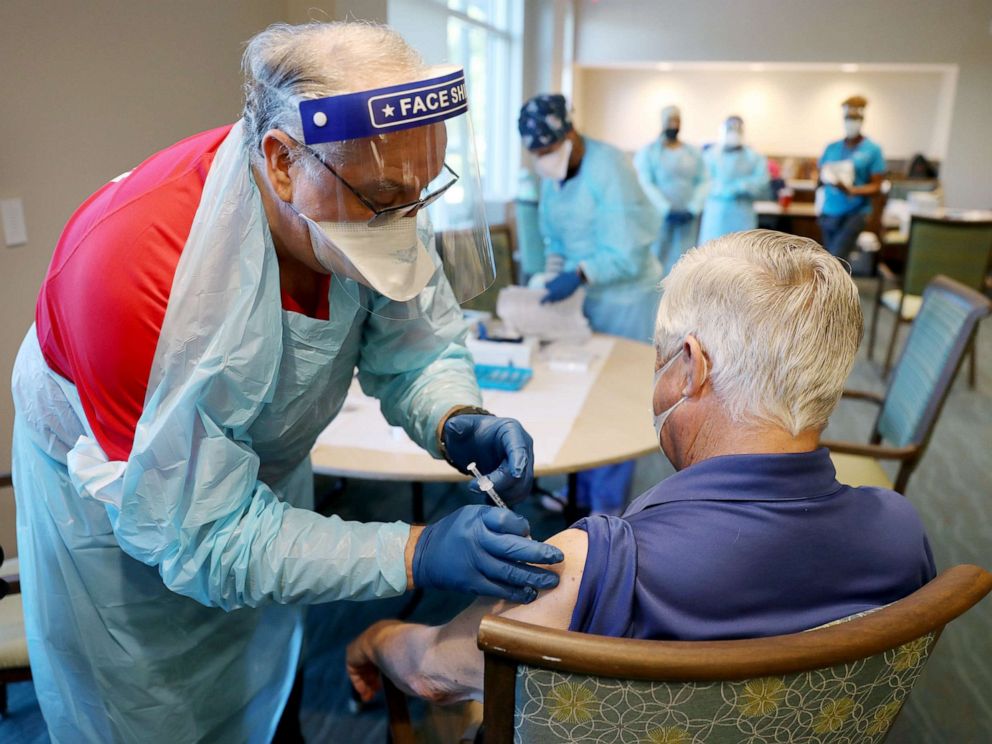
"I don't think it makes a difference legally, as to mandates, whether the vaccine is EUA or BLA," I. Glenn Cohen, a professor and deputy dean at Harvard Law school, told ABC News, referring to a Biologics License Application. "I do think for many employers and universities it will make them much more comfortable with mandating vaccination, subject to disability and perhaps religious exemption."
Some institutions are looking first to the FDA's next steps for guidance as they consider vaccine mandates of their own. Both the University of California and the California State University recently announced that they will require vaccination for the fall 2021 term only if the vaccines receive full FDA approval.
As the world continues to grapple with the pandemic, doctors said there's cause to celebrate the very fact that the vaccines are widely available and soon will be reviewed for full approval.
Barely nine months after the first confirmed COVID-19 case in the country, the FDA issued the first EUAs for the Pfizer-BioNTech and Moderna mRNA vaccines in December 2020. Since that initial authorization, more than 250 million total vaccine doses have been administered and over one-third of the U.S. population is now fully vaccinated.
But, as Medina told ABC News, the fight continues.
"While numbers of COVID-19 infections have dropped since the winter, the virus is still spreading and patients are still being admitted to the hospital daily," Medina said. "We know vaccination is the most important way to protect families and communities, slow the spread of COVID-19 and bring life back to normal."
Deepak Ramanathan, M.D., is a chief resident in orthopedic surgery in Cleveland and contributor to the ABC News Medical Unit.