This is how bats survive deadly viruses better than humans
This is an Inside Science story.
Bats can harbor many viruses that are potentially deadly to humans, including those behind SARS, Ebola and possibly SARS-CoV-2, the virus that causes COVID-19. Now scientists have identified key ways in which bats can harbor these dangerous germs while apparently suffering no ill effects from them, which may reveal ways to deal with these contagions in humans.
Roughly 75% of the emerging infectious diseases humans face are zoonotic, or come from animals, according to the EcoHealth Alliance, an environmental health nonprofit group in New York. In the past 20 years, researchers have discovered that bats host some of the most lethal emerging infectious diseases -- including those behind maladies such as Nipah, Hendra, Marburg and MERS -- yet the animals only rarely display clinical symptoms from such contagions.
"When we look at bats in Southeast Asian caves, we find 5% to 10% of them are infected with coronaviruses. That's incredibly high," said disease ecologist Peter Daszak, president of the EcoHealth Alliance. "If you look at birds and West Nile virus, 1 in 1,000 are infected during peak season. It seems certain that bats as a group can survive a high burden of coronaviruses and other infections. Why is that?"
One clue to this mystery was revealed in 2016 when virologist Lin-Fa Wang at Duke-National University of Singapore Medical School and his colleagues discovered that all known bat genomes completely lost the genes encoding molecules known as AIM2-like receptors. In humans, these immune proteins detect the DNA of hostile germs within cells and can trigger a cascade of events leading to inflammation and cell death.
In the new study, Wang and his colleagues introduced the genes for human AIM2-like receptors into bat kidney and immune cells grown in lab dishes. This resulted in a clustering of proteins in the cells that usually mark the onset of inflammation.
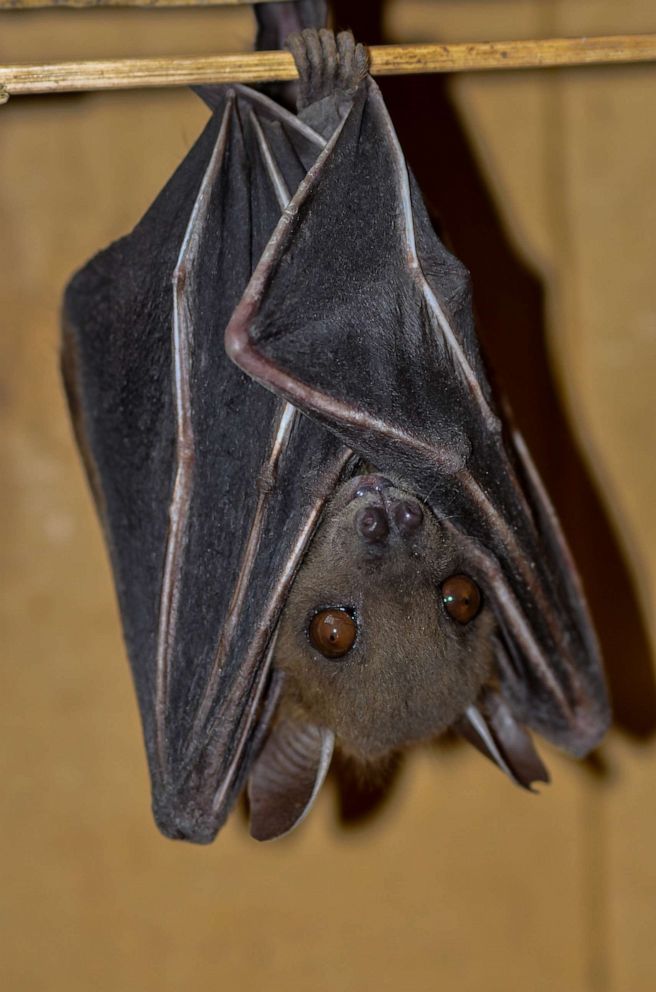
However, installing AIM2-like receptors in bat cells did not restore other known inflammatory responses, such as activation of the enzyme caspase-1, which plays a central role in mobilizing immune defenses. In black fruit bats (Pteropus alecto), the scientists found that caspase-1 possessed alterations that likely blunted its activity.
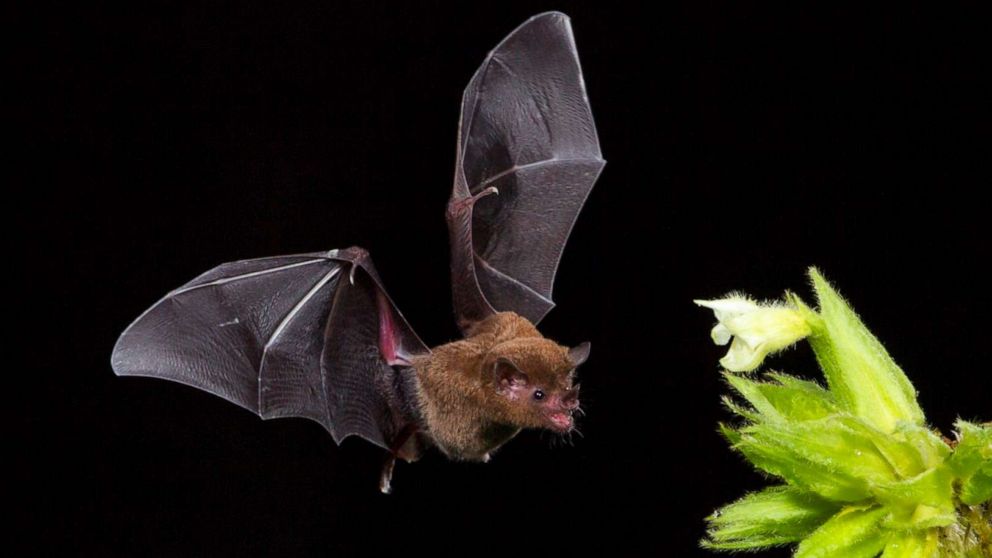
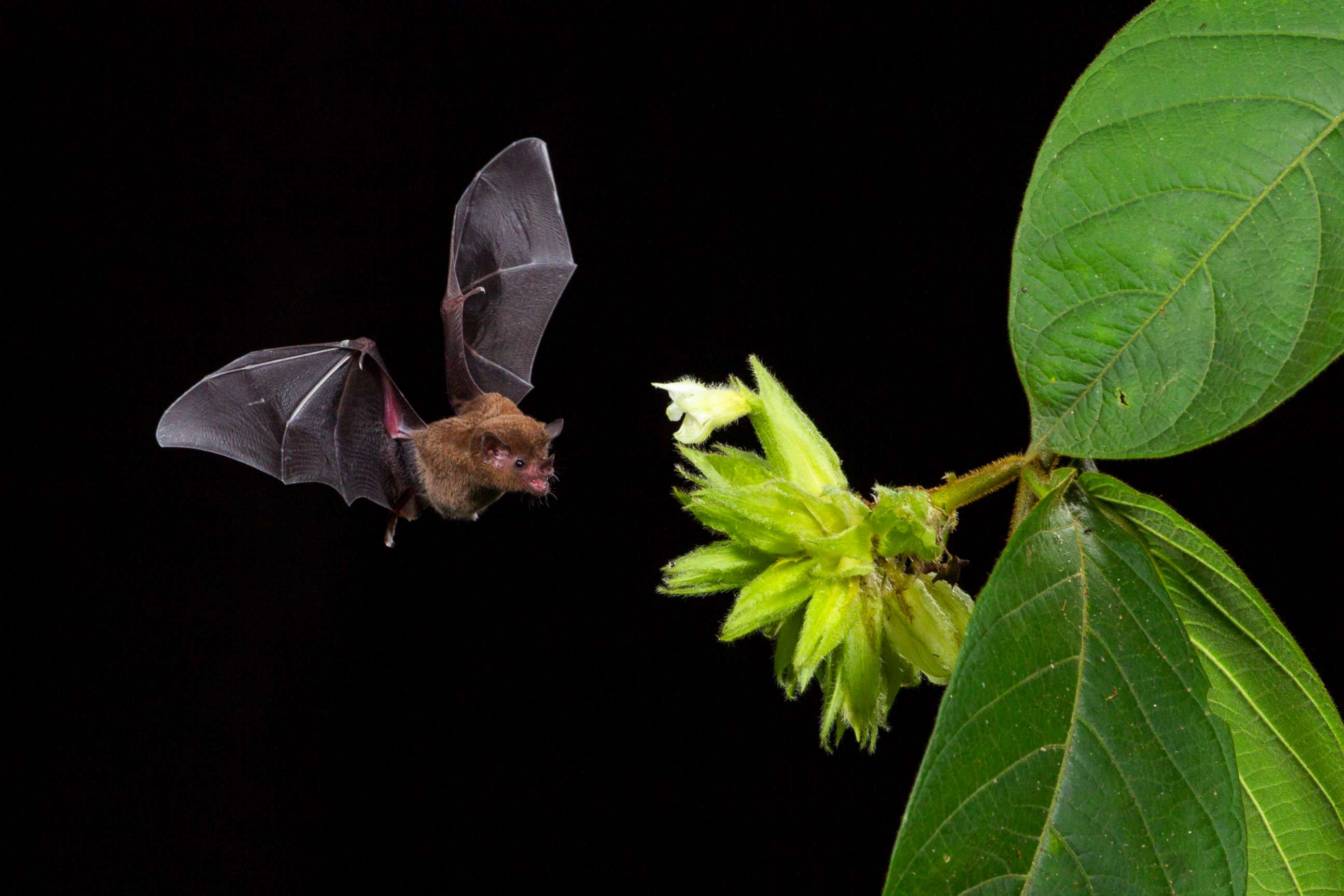
The researchers also discovered that in black fruit bats, the cave nectar bat (Eonycteris spelaea), and the vesper bat David's myotis (Myotis davidii), a protein called interleukin 1 beta that is activated by caspase-1 in humans possessed modifications that made it less active in response to greater caspase-1 activity.
All in all, these new findings revealed bats evolved strategies to tamp down their inflammatory responses at multiple levels, some of which might have evolved independently several times. This in turn likely helps bats tolerate potentially lethal viruses. Although the absence of AIM2-like receptors might prove dangerous in some as-yet-unknown way to bats, presumably such a risk is more than offset by avoiding the harm from an overactive immune response to germs, Wang noted.
Why might bats suppress inflammation? As the only flying mammal, bats are under constant metabolic stresses that land mammals do not endure, Wang said. "Imagine doing a 100-yard dash every night all night long, or imagine lifting your body weight -- 150 pounds, 200 pounds -- into the air all night long," said Daszak, who did not take part in this research. "That huge amount of stress creates breakdown products, a normal inflammatory response to which would not be sustainable."
Suppressing inflammation might explain not only how bats can safely harbor lethal viruses, but also why they live unusually long. "Small mammals like rodents usually only live 12 to 15 months even if they are not eaten by predators, but some bats of the same size live 40 to 50 years," Daszak said. "Maybe dampening of the inflammation response in bats impacts their longevity."
Over-inflammation plays an important role in many human diseases, "especially those associated with aged patients," Wang said. "If we can learn the lessons from bats and apply some of them to human clinical interventions, it will be definitely novel and they will hopefully have less side effects." For instance, "dampening inflammation can be one of the strategies to avoid severe disease in COVID-19 patients," he added.
These findings should not lead to knee-jerk efforts to eradicate bats, Wang cautioned. "Culling bats will have a devastating effect on our ecosystem, which can actually lead to more disease outbreaks," he said. "Bats plays a key role in controlling mosquitos and other insects, which are vectors of many important pathogens."
Instead, to minimize risk of zoonotic diseases from bats, "there are very simple low-tech solutions we could adopt, like reducing the wildlife trade, and reducing contact with bat colonies by not cutting down forests," Daszak said.
The scientists detailed their findings online Oct. 26 in the journal Proceedings of the National Academy of Sciences.
Inside Science is an editorially independent nonprofit print, electronic and video journalism news service owned and operated by the American Institute of Physics.