Bedbugs resistant to more pesticides, study finds
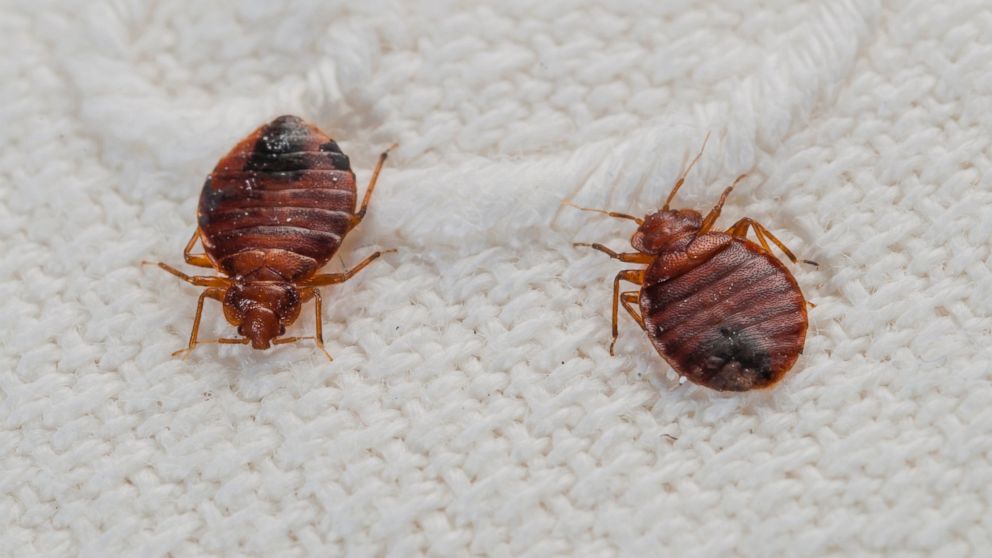
— -- The rise of bedbugs in the last few decades may be due in large part to the their ability to resist insecticides used against them.
Exterminators have turned to new chemicals to combat the pest, but a new study finds that bedbugs are showing resistance to these insecticides as well.
In light of this, the best approach to getting rid of bedbugs should include "physical, mechanical and cultural control measures" such as traps and mattress encasements in addition to insecticides, a new study concludes.
The study, published in The Journal of Economic Entomology, found that bedbugs are showing a lower susceptibility to two common pesticides containing chlorfenapyr or bifenthrin.
"No one was looking at if bedbugs were resistant to [those] forms of insecticide," corresponding author Ameya Gondhalekar, an assistant professor entomology at Purdue University, told ABC News.
To assess if bedbugs are becoming more resistant to insecticides containing chlorfenapyr or bifenthrin, researchers tested 10 populations of bedbugs from across the country. As a control, researchers used a bedbug strain known to be susceptible to the insecticides being tested.
Researchers tested the effects of both pesticides on the 10 field strains, then compared them with the control.
The researchers examined how much insecticide it took to kill each strain of bedbug and how long it took for the bedbugs to die after they were exposed. Researchers found that the concentration needed to kill one of the test populations was higher than for the control group.
The control bedbugs died seven days after exposure to chlorfenapyr and three days after exposure to bifenthrin.
But it took more than seven days to kill the 10 test populations of bedbugs when they were exposed to chlorfenapyr, and it took more than three days to kill all the test populations when exposed to bifenthrin.
Gondhalekar said the findings don't mean the insects are unstoppable.
"The big message is that you should not rely on insecticide only but use a multitude of options," he said. "Regular monitoring and detecting infestation early" to help keep any outbreaks from spiraling out of control are important.
The study recommends a combination of chemical and nonchemical means — such as traps, steam, physical removal and mattress encasements — to combat bedbug infestations.
Dr. Nwayieze Ndukwe, MPH, is a senior medical resident in psychiatry at Mount Sinai–Beth Israel Medical Center in New York City. She is a resident in the ABC News Medical Unit.


