• Video
  • Shop
  • Culture
  • Family
  • Wellness
  • Food
  • Living
  • Style
  • Travel
  • News
  • Book Club
  • Newsletter
  • Privacy Policy
  • Your US State Privacy Rights
  • Children's Online Privacy Policy
  • Interest-Based Ads
  • Terms of Use
  • Do Not Sell My Info
  • Contact Us
  • © 2026 ABC News
  • Wellness

Blind Hawaii Woman Gets Bionic Eye to See Again
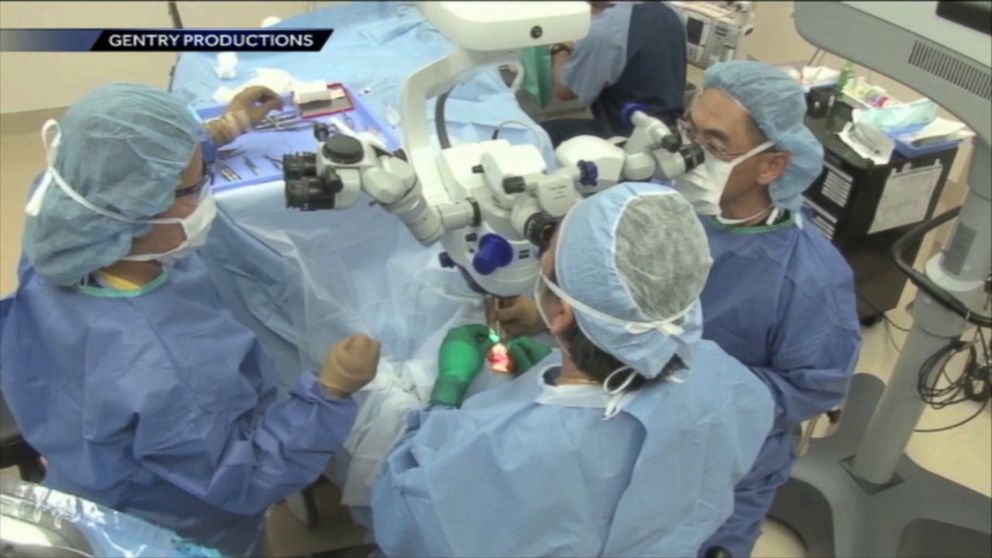
0:56
Gentry Productions
Hawaii Woman Receives Bionic Eye Implant
Gentry Productions
BySYDNEY LUPKIN
March 26, 2015, 6:12 PM

— -- A Honolulu woman who went blind two years ago will soon be able to see again thanks to her new bionic eye.

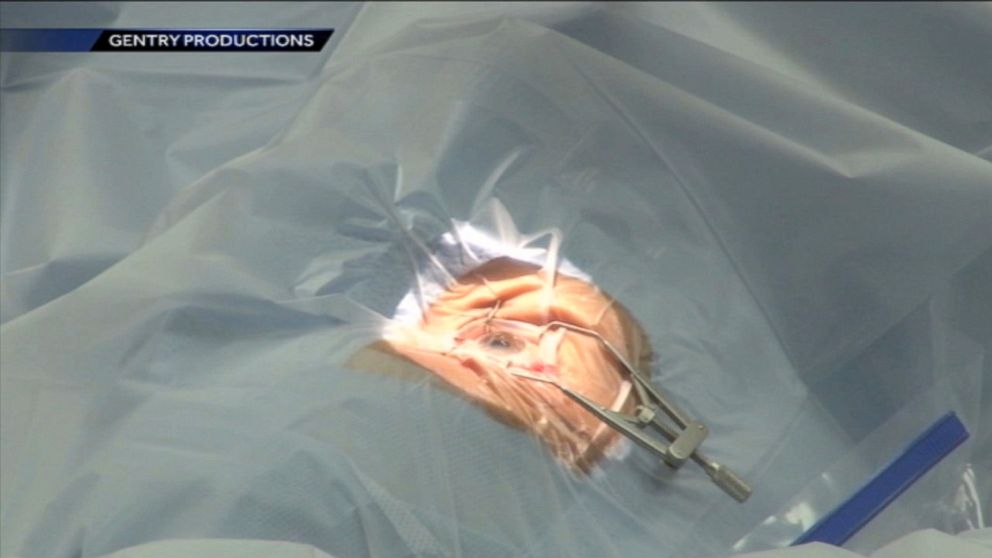
Surgeons at the Eye Surgery Center of Hawaii implanted the device on Tuesday into a 72-year-old Japanese-American woman who had gone blind two years ago due to an incurable hereditary disease called retinitis pigmentosa, said Dr. Gregg Kokame, who performed the operation. He told ABC News the hospital was not identifying the woman by name, but that she was the first person to receive the implant in the Asia Pacific region.

"She'll actually start to see motion, actually start to see somebody walk into the room and be able to see different shades of grey," Kokame said, explaining that she was totally blind and could perceive only some light before the 4-hour surgery.
Related Articles

Bionic Eye Lets Blind Man See Wife For 1st Time In 10 Years

Related Articles

Indiana Governor Declares Public Health Emergency to Battle Worst HIV Outbreak in State History

Related Articles

New Bionic Heart Doesn't Beat and That's Why It Could Revolutionize Transplants

A Honolulu woman who went blind two years ago will soon be able to see again thanks to a bionic eye implant.

Kokame and his team implanted a microelectrode array on the surface of the woman's retina that connects wirelessly to a pair of glasses with a camera, he said. The glasses process images and transmit them to the implant, which then sends that information to the woman's optic nerve and onto her brain.

The device will not help the woman to see color or fine detail, but as the software advances, he said the implant will still be able to communicate with it.

The woman will heal for two weeks before Kokame and his team can turn the device on for the first time. He said she'll be able to see her loved ones first because he's sure they'll want to be right there with her.

"She was in very good spirits," he said. "She's a very pleasant, very strong lady. She's looking forward to having the implant turned on."

The device, which is approved by the Food and Drug Administration, costs $144,000, but it was covered by Medicare for this patient, Kokame said.

That price tag is a small fraction of that for the fictional "Six Million Dollar Man," but it's a giant leap for real-life bionics.


Up Next in Wellness—

What parents should know about kids and caffeine pouches

May 22, 2026

Author writes character with breast cancer, then receives same diagnosis

May 22, 2026

Experimental weight loss drug retatrutide shows dramatic weight loss in clinical trial

May 21, 2026

Boy suffers stroke at age 7, dad credited with recognizing warning signs

May 19, 2026

Shop GMA Favorites

ABC will receive a commission for purchases made through these links.

Sponsored Content by Taboola

The latest lifestyle and entertainment news and inspiration for how to live your best life - all from Good Morning America.
  • Contests
  • Terms of Use
  • Privacy Policy
  • Do Not Sell My Info
  • Children’s Online Privacy Policy
  • Advertise with us
  • Your US State Privacy Rights
  • Interest-Based Ads
  • About Nielsen Measurement
  • Press
  • Feedback
  • Shop FAQs
  • ABC News
  • ABC
  • All Videos
  • All Topics
  • Sitemap

© 2026 ABC News
  • Privacy Policy— 
  • Your US State Privacy Rights— 
  • Children's Online Privacy Policy— 
  • Interest-Based Ads— 
  • Terms of Use— 
  • Do Not Sell My Info— 
  • Contact Us— 

© 2026 ABC News