Breast Cancer Breakdown: Risk Factors
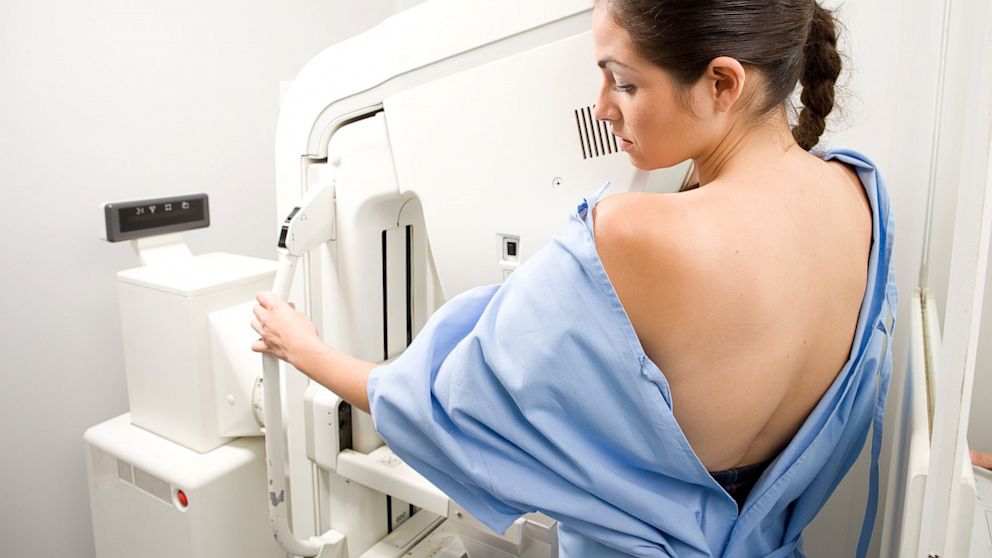
Oct. 1, 2013— -- intro: One in eight American women will be diagnosed with breast cancer, but some have a higher risk than others. Certain risk factors, like age and family history, can't be changed. But others, like body weight and physical activity, are modifiable.
ABC News is going pink for breast cancer awareness. Take our pledge to understand your risk and take steps to protect yourself!
Here are the risk factors for breast cancer and some steps you can take to protect yourself.
Sources: The U.S. Centers for Disease Control and Prevention and the National Cancer Institute.
quicklist: 1category: Breast Cancer Risk Factorstitle: Ageurl: text: Your breast cancer risk rises with age, from one in 227 for a 30-year-old woman to 1 in 26 for a woman over 70.
quicklist: 2category: Breast Cancer Risk Factorstitle: Previous Breast Cancerurl: text: You're more likely to get breast cancer if you've had it before, and women who've had cancer in one breast are more likely to get it in the other.
quicklist: 3category: Breast Cancer Risk Factorstitle: Family Historyurl: text: Your breast cancer risk increases if your mother, sister or daughter has been diagnosed with the disease. Your risk is also higher if you've had more than one relative on your mother or father's side with breast cancer.
Learn more about the family history patterns that could raise your risk.
quicklist: 4category: Breast Cancer Risk Factorstitle: Genetic Mutationsurl: text: Women with mutations in the genes BRCA1 or BRCA2 are five times more likely to be diagnosed with breast cancer, but less than 1 percent of women have these mutations.
Learn more about the family history patterns that could hint at a BRCA gene mutation.
quicklist: 5category: Breast Cancer Risk Factorstitle: Dense Breastsurl: text: Your breast cancer risk increases if you have dense breast tissue as opposed to fatty tissue.
Learn more about the tests that can reveal whether you have dense breast tissue.
quicklist: 6category: Breast Cancer Risk Factorstitle: Non-Cancerous Breast Changesurl: text: Breast changes known as atypical hyperplasia (an increase in abnormal breast tissue), ductal carcinoma in situ (abnormal cells in the lining of the breast ducts) and lobular carcinoma in situ (abnormal cells in the milk-producing glands) increase the risk of cancer.
Learn more about the tests that can reveal whether you have non-cancerous breast changes.
quicklist: 7category: Breast Cancer Risk Factorstitle: Early Periodsurl: text: Women who had their first period before age 12 have a higher breast cancer risk.
quicklist: 8category: Breast Cancer Risk Factorstitle: Pregnancyurl: text: Your breast cancer risk increases if you have children after age 30 or have no children at all. Your risk decreases if you have children before age 20.
quicklist: 9category: Breast Cancer Risk Factorstitle: Late Menopauseurl: text: Women who reach menopause after age 55 have a higher breast cancer risk.
quicklist: 10category: Breast Cancer Risk Factorstitle: Hormone Therapyurl: text: Taking estrogen and progestin supplements for more than five years increases the risk of breast cancer.
quicklist: 11category: Breast Cancer Risk Factorstitle: Radiation to the Chesturl: text: Your breast cancer risk increases if you've had radiation therapy to the chest to treat cancer, particularly during puberty.
quicklist: 12category: Breast Cancer Risk Factorstitle: Body Weight and Physical Activityurl: text: Women who are overweight or obese have a higher breast cancer risk. Being physically inactive might also increase your risk. The good news: Regular exercise may help lower your risk, and it can also help you lose weight – a double benefit.
quicklist: 13category: Breast Cancer Risk Factorstitle: Alcohol Consumptionurl: text: Consuming more than one alcoholic drink per day raises the risk of breast cancer.
quicklist: 14category: Breast Cancer Risk Factorstitle: The Drug DESurl: text: Women who took the drug diethylstilbestrol or DES during pregnancy to prevent a miscarriage may have an increased breast cancer risk. The drug was used between 1938 and 1971.
quicklist: 15category: Breast Cancer Risk Factorstitle: Breastfeedingurl: text: Breastfeeding might lower your breast cancer risk.
quicklist: 16category: Breast Cancer Risk Factorstitle: Raceurl: text: White women have the highest breast cancer rates in the U.S., but African-American women are more likely to die from breast cancer, in part because it's often found later when it's harder to treat.