Some California hospitals rationing care due to spike in COVID-19 hospitalizations
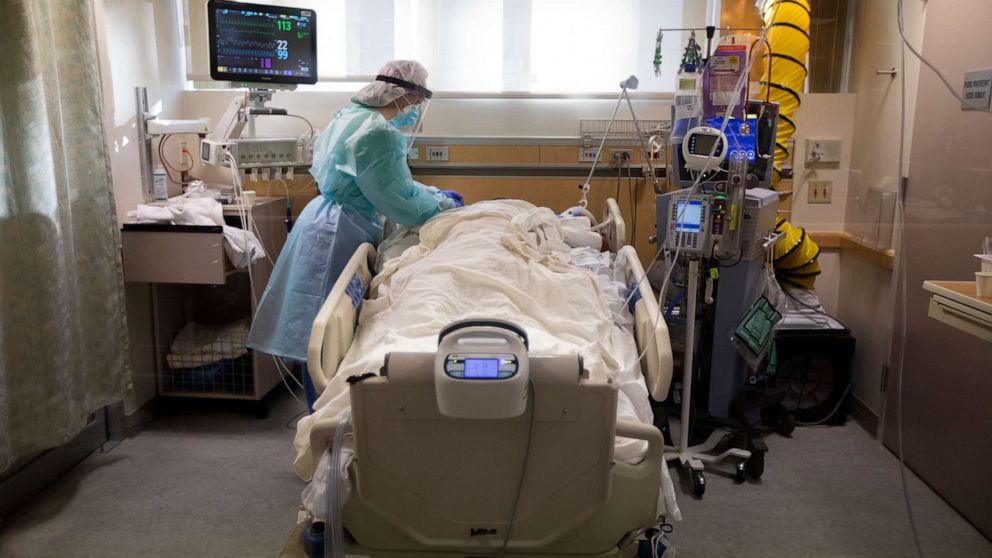
Many hospitals across California are starting to either think about rationing care or they have already started due to the COVID-19 surge in the state.
Kaiser Permanente has already started to postpone non-urgent surgeries in Northern California due to the surge, which could cause serious issues for those patients who have underlying health conditions.
"Given the impact of COVID-19 on health care systems, we have postponed elective and non-urgent surgeries and procedures that take place in our main hospital operating rooms through Jan. 4 at our Northern California facilities," Kaiser officials said in a statement to ABC News. “We are not postponing cancer cases or other urgent/emergent surgeries and procedures.
"Our command centers continue to monitor the situation carefully to ensure we have the resources, capacity, and staff available to care for the rapidly increasing number of hospitalized COVID 19 patients while also maintaining safe access to healthcare services for our members and the communities we serve," Kaiser added.
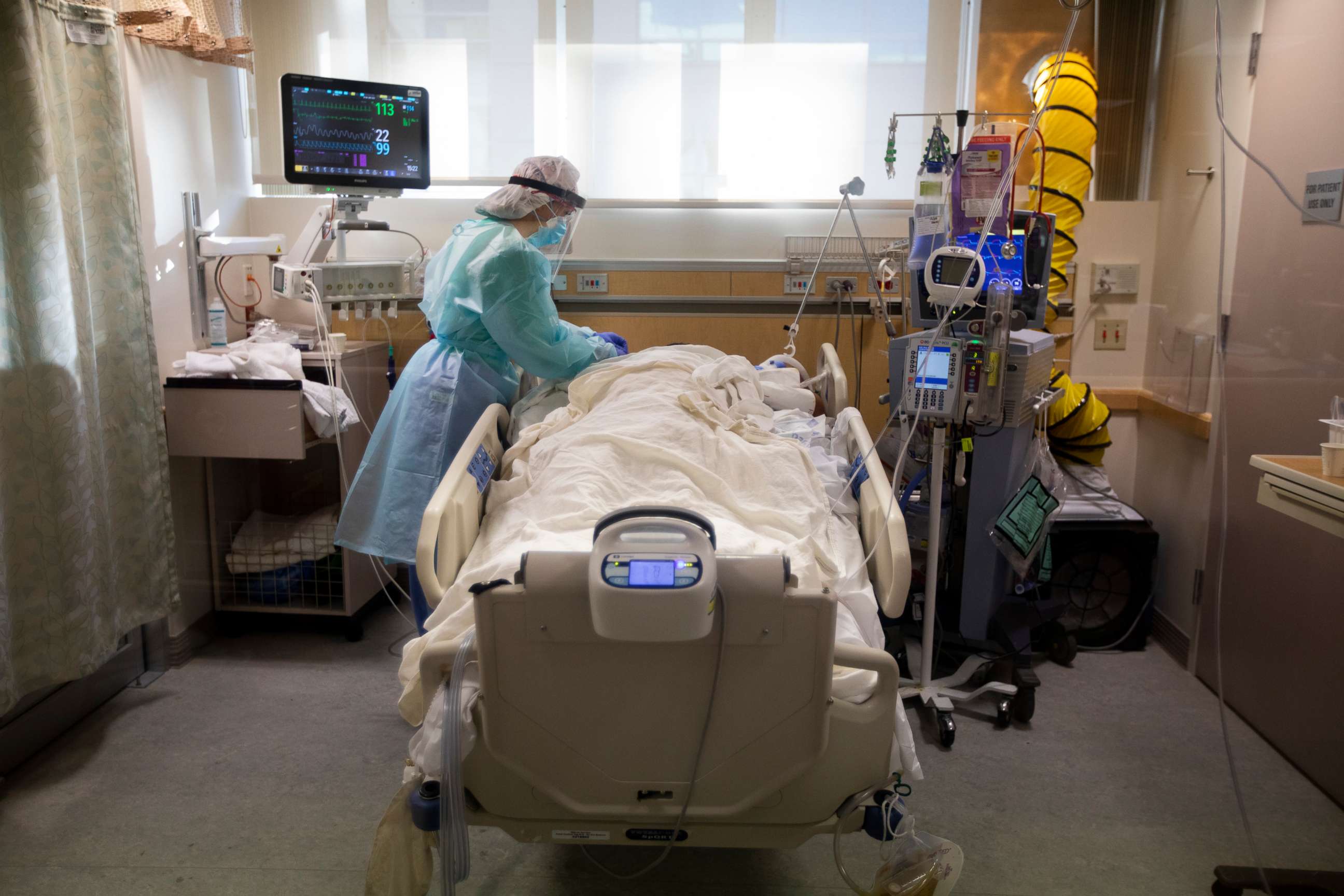
However, Kaiser does plan to resume these canceled surgeries and procedures as soon as it is safely permitted.
“We fully understand our patients' anxiety and concerns regarding elective surgery during this unusual time. We know that every surgical procedure that has been considered non-urgent or elective during this pandemic is of great importance to the patient waiting for it. We look forward to rescheduling these services as soon as feasible while assuring the safety of all of our patients and staff," Kaiser said.
Huntington Hospital in Southern California is another medical facility that has put together a plan to ration its care if the situation continues to worsen.
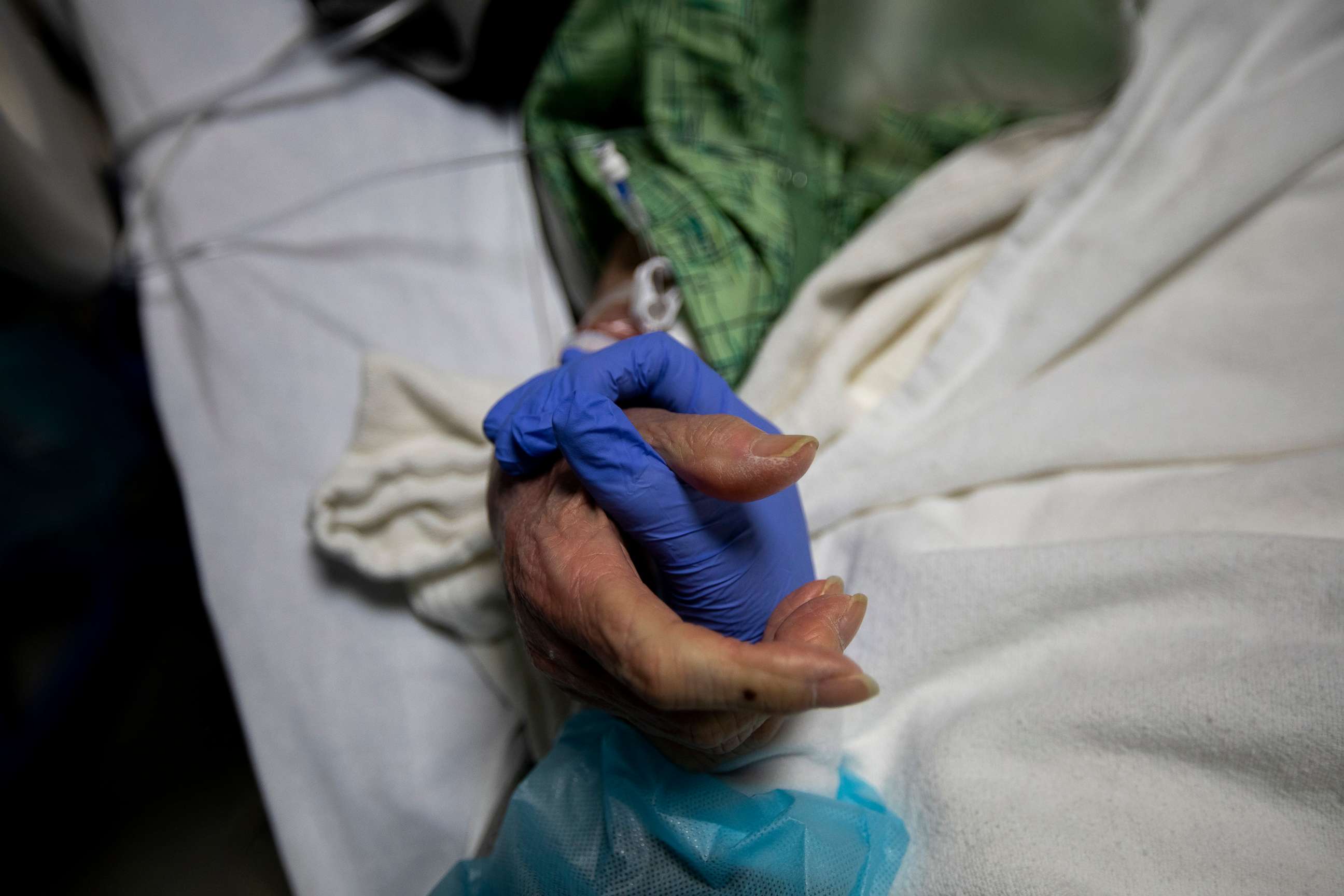
“If we reach a point where our hospital faces a shortage that will affect our ability to care for all patients, a team including doctors, a community member a Bioethicist (who has expertise in the ethics surrounding health care) will review the cases of all patients who are critically ill. This team will make necessary decisions about allocating limited medical resources based on the best medical information possible and will use the same decision criteria that is being used nationally and throughout California on all patient cases," the hospital said in a statement.
According to Huntington Hospital, this means that non-COVID patients who may need the intensive care unit, might have to be reviewed on a case-by-case basis to determine what resources will be offered to them. The hospital may also have to decide who gets to live and who dies because of the severity of the situation.
This all comes as the stay-at-home orders are “likely” to be extended across the state of California due to the significant surge in ICU capacity, California Gov. Gavin Newsom said Monday afternoon during a press briefing.
Newsom also announced Monday that CVS and Walgreens will administer the Pfizer coronavirus vaccine to residents and staff in long-term care facilities in California. The process will start in nursing homes and three to four weeks later, the state will begin to "vaccinate staff and residents at residents in assisted living, residential care and other long-term care facilities."
“Vaccinating those most vulnerable among us is critical to fighting this virus,” Newsom said in a statement Monday. “By leveraging CVS and Walgreens resources, we can effectively deploy vaccines to residents and staff at our long-term care facilities, which are at higher risk of Covid transmission – and do it at no cost to the state or local government.”
California has had more than 2.17 million COVID-19 cases since the pandemic began, with at least 24,337 deaths reported in the state, according to Johns Hopkins University.