Cancer deaths of Americans under 50 have nearly halved -- but not colon cancer

The top causes of cancer death in Americans under age 50 fell by 44% overall in the past three decades -- but the notable exception was rising colorectal cancer deaths, according to a new study from the American Cancer Society.
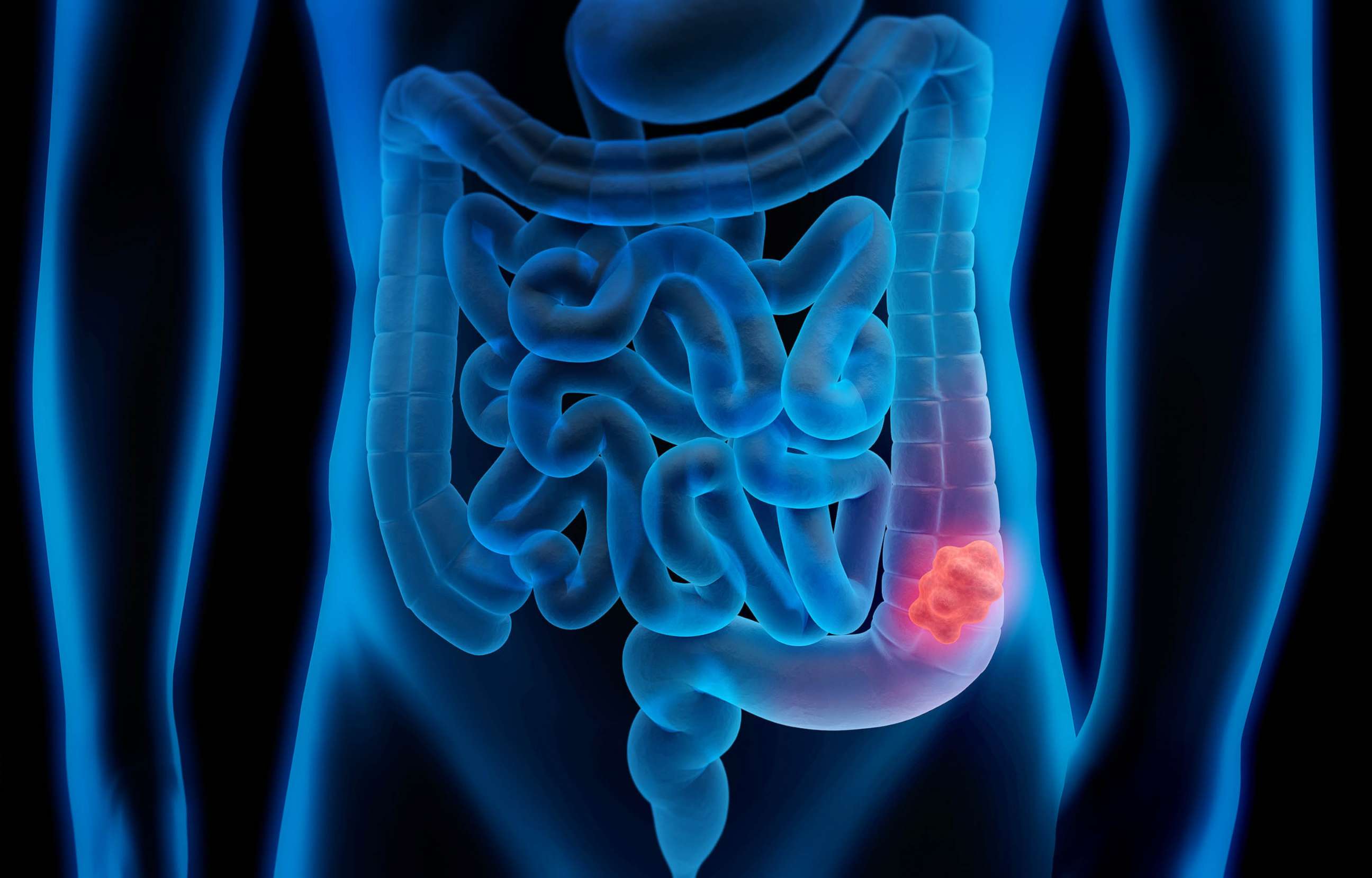
Analyzing over 1.2 million deaths from cancer between 1990 and 2023, the researchers found that colorectal cancer deaths increased a little over 1% annually, making it the top cause of cancer death for men and women combined.
The findings were published in the peer-reviewed medical journal JAMA.
Meanwhile, other leading causes of cancer death in people under 50, including lung, leukemia and breast cancer, have decreased by up to 6% annually.
Dr. William Dahut, an oncologist and the chief science officer of the American Cancer Society, said better treatment is helping people live longer.
“My sense is, if you would break down the improvements, more than half of it is certainly due to better therapies,” he told ABC News.
He also pointed to decreased tobacco use, which helped drive a 5.7% annual decline in lung cancer deaths. In 1990, lung cancer was the leading cause of cancer death among people under 50, but now it ranks fourth.

Although more women were diagnosed with breast cancer over the study period, related deaths decreased by an average 1.4% per year. However, it remains the leading cause of cancer death in younger women.
Cervical cancer deaths modestly decreased by about half a percent per year and remain the third leading cause of cancer-related death in young women.
Screening exams are recommended for both breast and cervical cancer types and vaccination against the primary cause of cervical cancer – the human papilloma virus or HPV – has been available since 2006.
“I think there’s a good chance we see dramatic decreases [in cervical cancer deaths], assuming vaccination rates continue,” Dr. Dahut predicted.
Researchers expressed concern about rising colorectal cancer deaths in young Americans, particularly because it’s not entirely clear why this is happening.
“It didn’t totally surprise me, although I would have to say it’s moving a little more quickly than I anticipated,” Dahut said. “It’s going to be linked to either environmental [causes] or a lifestyle.”
Dahut added that doctors should regularly recommend screening for the disease and following up on symptoms, even in their middle-aged patients. This is especially important considering that more than 75% of new colorectal cancer diagnoses in younger patients are found in the later stages when treatment is less effective, he noted.
“Lots of folks in their 40s do not necessarily have a primary care doctor telling them to get the screening – men in particular,” he said.
Individuals at average risk for colorectal cancer should start at 45, according to the American Cancer Society. And anyone with a family history or any other factor that puts them at a higher risk should be screened earlier.
Dahut said that the main takeaway from the study is "overall good news.”
“You're significantly less likely as a population to have a death due to cancer. A 44% decrease is actually a fairly remarkable number,” he said.
Dr. Joseph Wendt is a public health and preventive medicine resident at Icahn School of Medicine at Mount Sinai and a member of the ABC News Medical Unit.