CDC allegedly cancels Emory's HIV self-testing program after not enough workers left to oversee it

A local HIV program has allegedly been canceled as a result of funding cuts, firings and layoffs that have recently hit the Centers for Disease Control and Prevention, according to a program lead.
On April 22, the federal health agency informed Emory University in Atlanta that its large HIV self-testing program, called Together TakeMeHome, was being canceled two years early.
Dr. Patrick Sullivan, the project's lead scientist and professor of epidemiology at Emory University's Rollins School of Public Health, said he was told the cancellation is because the CDC does not have enough staffers to oversee the program.
"CDC notified us that they had let go of so many CDC staff earlier in this year that they could no longer provide the required federal oversight for the project," he told ABC News. "It's really a tough rationale to accept. It really feels negligent to have sent home the staff that were needed to manage a really successful program that was improving the health of Americans, that was extending life, that was saving money and to not keep the resources in place to manage that."
Funded by the CDC, Together TakeMeHome, launched in March 2023 with an aim to make HIV at-home test kits available to Americans.
The CDC currently recommends that Americans between ages 13 and 64 be tested for HIV at least once in their lifetime. Sullivan said there are many reasons that make testing difficult including people living in more rural areas where testing is limited, costs or people preferring to test at home.
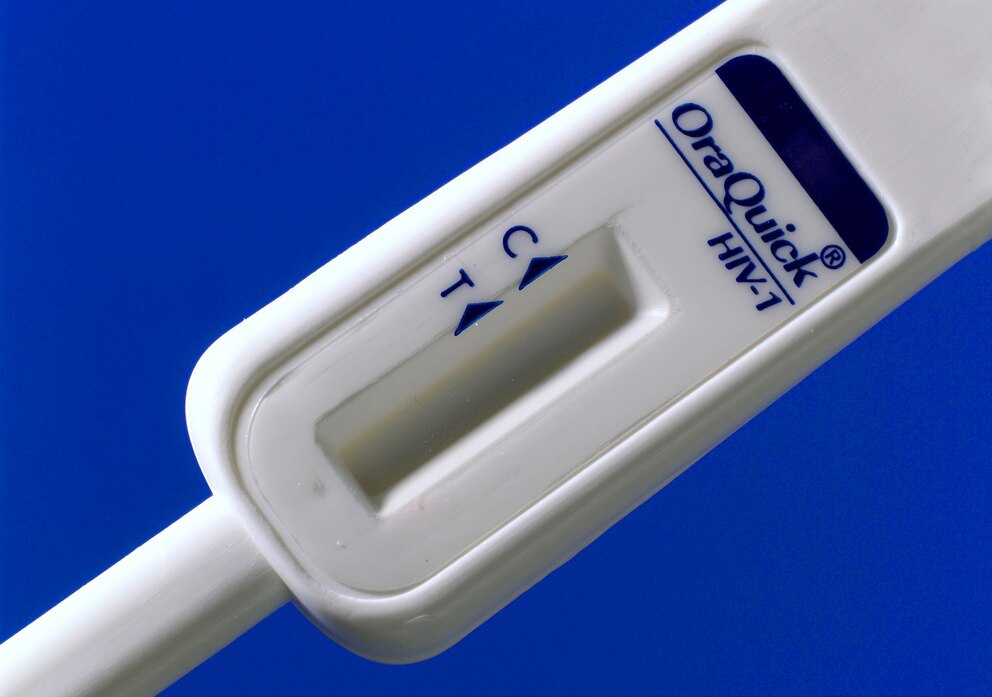
Since the program started, Sullivan said the team has mailed out around 750,000 HIV tests to households across the U.S. The test sent to households is the OraQuick In-Home HIV Test, which is approved by the Food and Drug Administration and provides results within 20 minutes.
Sullivan said about a quarter of the people who ordered a test through Together TakeMeHome had never been tested for HIV.
"In the time that we've operated, nearly 7,000 Americans have used the kits to learn that they are living with HIV, and that allows them to get into treatment, to protect their own health and to reduce the risk that they would transmit HIV to others," Sullivan said.
The team estimates that diagnosing those 7,000 people with HIV has prevented about 500 new HIV infections.
"Nearly $200 million in treatment costs have been saved just because of those infections that were avoided as people living with HIV learn their status and change their behaviors and get treated for their own infections," Sullivan said. "We had a program put in place, developed collaboratively with CDC, that was really making a difference, really moving the needle on ending the HIV epidemic, really improving people's health, really getting people the opportunity to connect with medical services that will literally save their lives."
President Donald Trump launched a program in 2019 with a goal to end the HIV epidemic in the U.S. by 2030.
However, several federal grants related to HIV and AIDS research have been terminated at the National Institutes of Health since the start of Trump's second term. The administration is also reportedly considering a plan to eliminate the CDC's Division of HIV Prevention, sources told ABC News.
The White House did not return ABC News' request for comment about the alleged plans.
Sullivan worries that the loss of Emory's program, along with the cancellation of other HIV research, could reverse the progress the U.S. has made in fighting the HIV epidemic.
"Part of public health's goal is to reach communities where there's the greatest need for services that aren't being met. When you can do all those things and see a return on investment -- see a net savings of money while we're improving the health of people -- that's exactly the kind of program that you really want to keep going," he said.
The CDC did not immediately reply to ABC News' request for comment.