CDC preparing for 'possibility of increased risk to human health' from bird flu

The Centers for Disease Control and Prevention said in a summary on Friday that it is preparing for the "possibility of increased risk to human health" from bird flu following an outbreak among dairy cows and two confirmed human cases.
However, the federal health agency also said the risk of bird flu, also known as avian influenza, to people in the U.S. is currently low and there is no evidence of person-to person transmission in the U.S.
Federal and state public health officials said in late March they were investigating an illness among primarily older dairy cows in Kansas, New Mexico and Texas and causing symptoms including decreased lactation and low appetite.
The first case was confirmed in a U.S. farm worker in Texas and the second case in a Michigan farm worker who had regular exposure to livestock-infected bird flu.
The CDC said the only symptoms experienced by the two human patients were eye redness. Both have since recovered.

As of May 22, more than 350 people with exposure to dairy cows and/or infected unpasteurized cow's milk have been monitored. The Michigan case was identified through daily monitoring of farm workers, according to the CDC. Farm workers and those working in agriculture are at the highest risk of bird flu.
There is currently no evidence to show that bird flu is spreading from person to person.
"Though currently circulating A (H5N1) viruses do not have the ability to easily spread to and between people, it is possible that influenza A(H5N1) viruses could change in ways that allow them to easily infect people and to efficiently spread between people, potentially causing a pandemic," the CDC wrote in its summary.
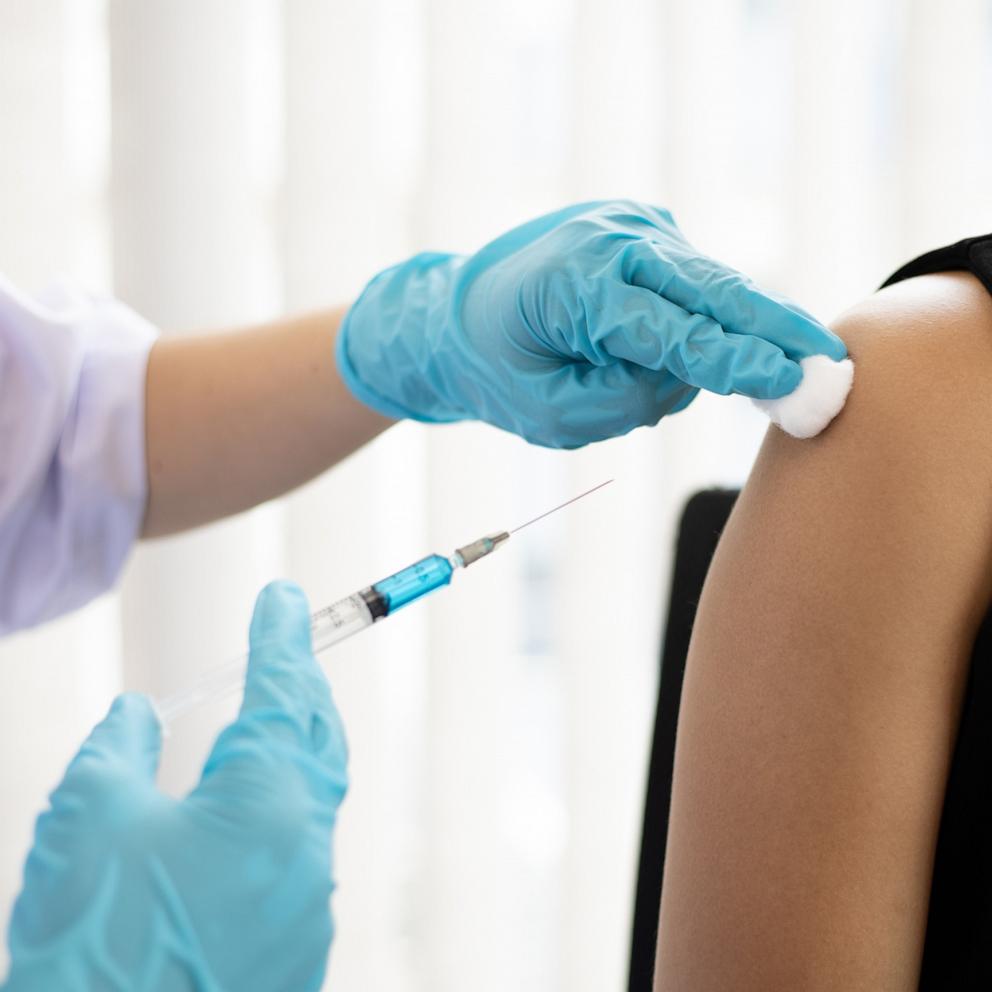
As they continue their preparedness efforts, federal health officials have moved forward with filling about 4.8 million doses of bird flu vaccine into vials through their national stockpile in case it becomes necessary, according to Dawn O'Connell, assistant secretary for preparedness and response at the Department of Health and Human Services.
"This step further strengthens our preparedness posture," she said this week.
Dr. John Brownstein, an epidemiologist and chief innovation officer at Boston Children's Hospital, and an ABC News contributor, said the preparedness efforts are an example of the government being proactive rather than reactive.
"Public health needs to stay one step ahead," he said. "Public health, when it's working at its best, is proactive and it's actively looking for potential signals, is using all methodologies data at its disposal because that is time when we can identify something if it changes....While public health is on guard and on alert and putting significant resources, that doesn't need to translate to general public worry."
HHS worked with a manufacturing partner on the process known as "fill and finish" without disrupting ongoing production of the seasonal flu vaccine. The vaccine is "well matched to the currently circulating strain of H5N1," O'Connell said.
The federal government has not signaled a cause for concern at the moment and the CDC says it's important that the flu network remain enhanced throughout the spring and summer, including increasing the number of specimens for further testing, continuing surveillance and encouraging clinicians to consider bird flu when evaluating patients who have conjunctivitis or respiratory illness following an exposure to agriculture or livestock.
Additionally, milk samples have been found with remnants of the virus, but testing determined pasteurization inactivated the virus. Raw milk does not undergo pasteurization, and health officials have long warned against drinking raw milk because it can contain bacteria that can cause illness.'