CDC urges Americans to get moving, but there's no simple solution
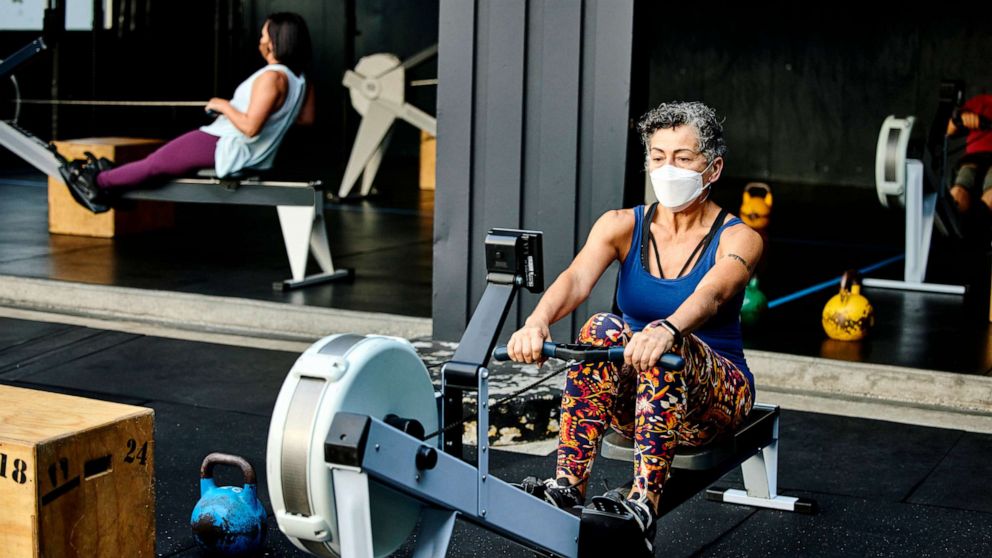
While the benefits of exercise are becoming increasingly well known, new data from the Centers for Disease Control and Prevention suggests that more than one-fifth of Americans remain physically inactive.
In the study, being physically inactive meant no physical activity at all over the past month -- anything from running to gardening.
"Getting enough physical activity could prevent 1 in 10 premature deaths," Dr. Ruth Peterson, director of CDC's Division of nutrition, physical activity and obesity, said in prepared remarks. "Too many people are missing out on the health benefits of physical activity such as improved sleep, reduced blood pressure and anxiety, lowered risk for heart disease, several cancers and dementia."
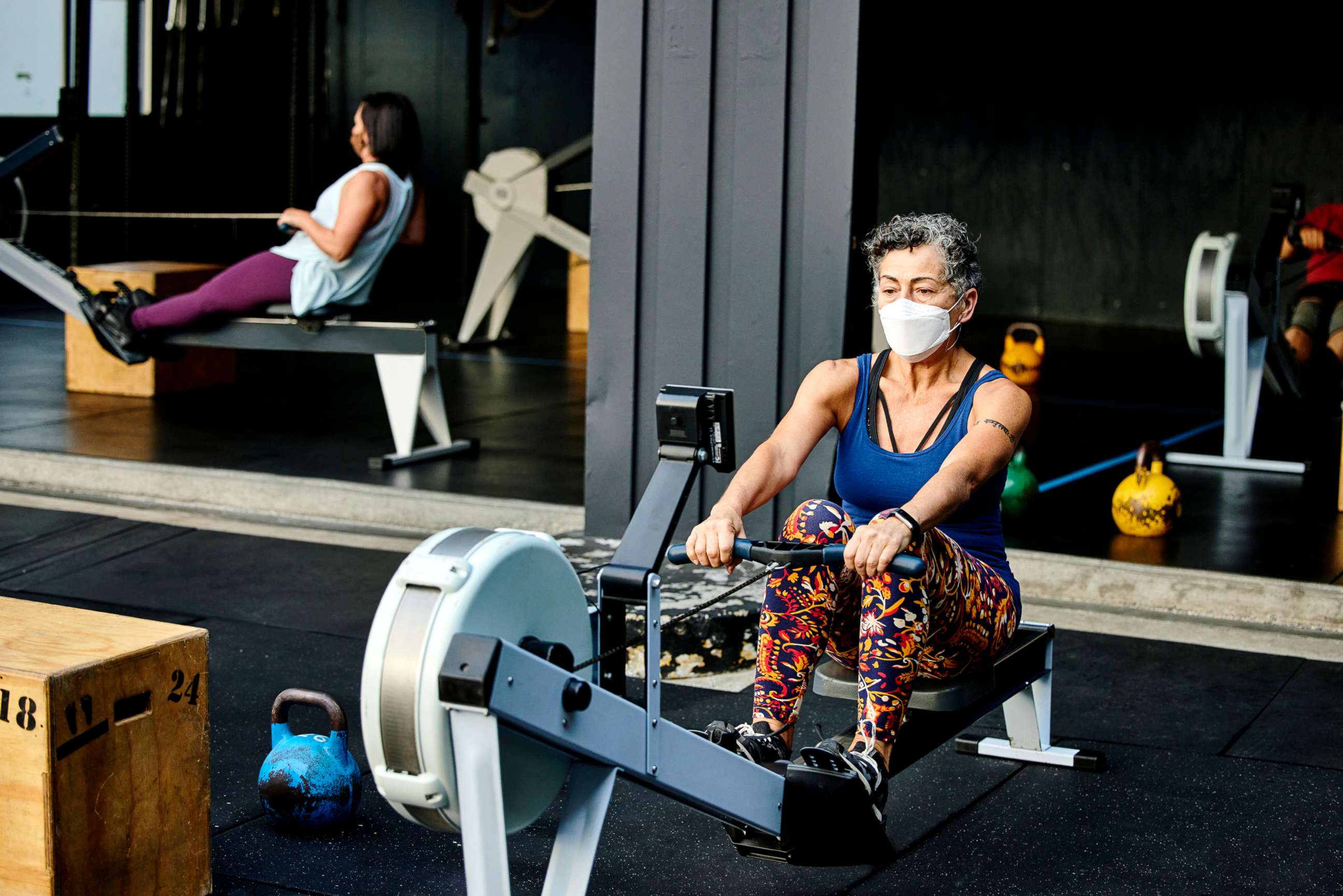
The CDC specifically warned about higher rates of inactivity in the South compared with the rest of the country. Meanwhile, more than 29% of Hispanic, African American and Native American adults were inactive compared to 23% of non-Hispanic white adults.
But doctors said that for many Americans, getting more active isn't as simple as it sounds.
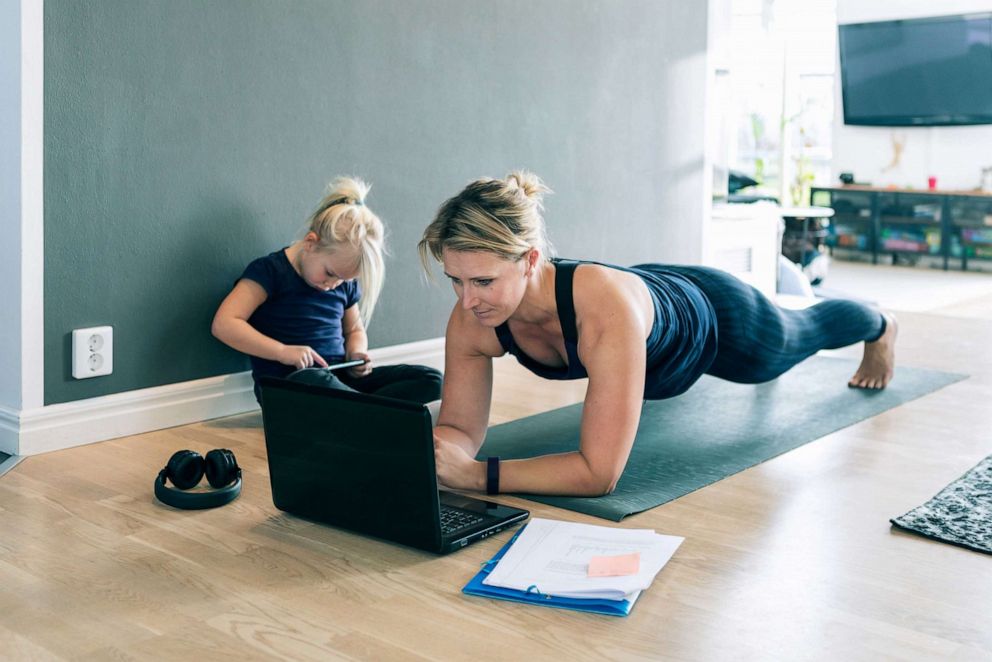
"What this map shows us is that there are disparities, but we have to be better about tailoring our strategies to different populations," said Dr. Alok Patel, an ABC News special correspondent and a clinical assistant professor of pediatrics at Stanford Children's Health.
"It's important that any message we send is met with equity, inclusiveness and relatability, so that individuals can understand how to adopt and integrate practices into their own unique lives," Patel added. "Even a walk in the neighborhood can be sufficient, but not everyone has access to safe environments. I can't tell you how many times I've had a teenage patient tell me there's no park within a mile of where they live."
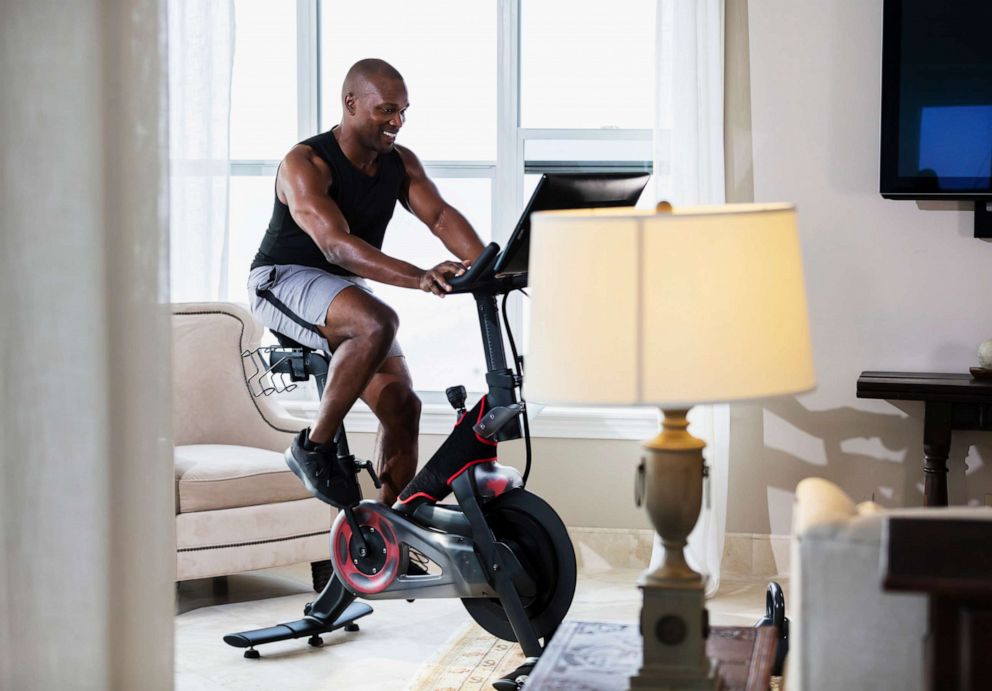
This is partly why experts including Patel emphasize that public health and community-based programs need to be individually tailored. Language barriers and cultural beliefs play an integral role as well. Early education though school-based programs and community-based research used to shape public health initiatives can prove especially critical.
And, Patel said, programs able to "listen" to their communities are at the crux of improving health literacy: "It's not a one-size fits all solution."
Nitya Rajeshuni, M.D., M.S., a pediatrics resident at the Children's Hospital of Philadelphia, University of Pennsylvania, is a contributor to the ABC News Medical Unit.