Clinical Trials: Treatment for One, Hope for Many
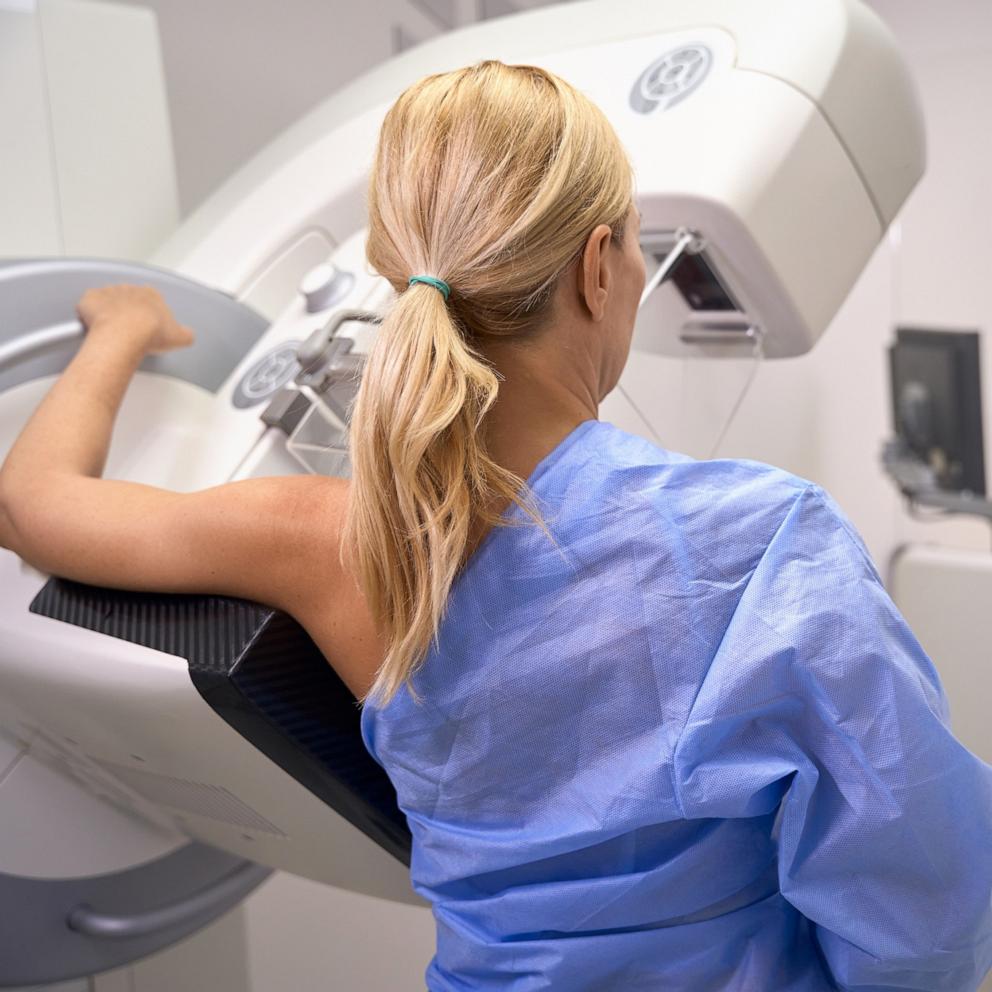
March 14, 2011— -- Haralee Weintraub of Portland, Ore., was 48 when a routine mammogram changed her life forever.
Textbook breast cancer, her doctor called it.
"She literally showed me a textbook and my mammogram side-by-side," Weintraub, 58, said. "There was no need for a second opinion."
Surgery revealed that the tumor was bigger than anticipated and had already spread to nearby lymph nodes. The standard treatment, Weintraub was told, was chemotherapy. But she wanted to know how she could help, and "be an active participant rather than a passive patient."
"My doctor said there were some clinical trials and asked if I would be interested," Weintraub said. "I said yes."
Weintraub enrolled in a trial testing the effectiveness of a new chemotherapy drug. And in the 10 years since, she has participated in four more.
"My reasoning was it could help me as well as other women," Weintraub said.
Weintraub's motives are common among clinical trial participants, said Dr. Susan Love, president of the Dr. Susan Love Research Foundation, a nonprofit organization based in Pacific Palisades, Calif., that promotes and funds breast cancer research.
"I think, in general, the people who participate are altruistic," Love said, adding that she thinks women with breast cancer are particularly generous. "If they can help someone else, they're willing to do it."
But across cancers and a range of other life-threatening diseases, researchers struggle to recruit enough patients for trials to generate meaningful results.
"I think there's a fear that you might get a placebo or that the treatment might have adverse effects," Weintraub said.
Clinical trials are a crucial step in the search for disease treatments, tests and causes. But fears, misconceptions and a lack of awareness -- among patients and doctors -- are major barriers that researchers across all fields are working hard to overcome.
"In just about every major disease, less than 10 percent of patients are enrolling in trials," said Dr. Richard Bedlack, director of Duke University's Amyotrophic Lateral Sclerosis Clinic in Durham, N.C.
Bedlack said only 5 percent of people with ALS (or Lou Gehrig's disease) -- a fatal neurological disease with no cure and only one treatment that extends the average 3-to-5-year survival only slightly -- enroll in clinical trials.