Clinical trials may begin next week in New York for coronavirus treatments: Health official
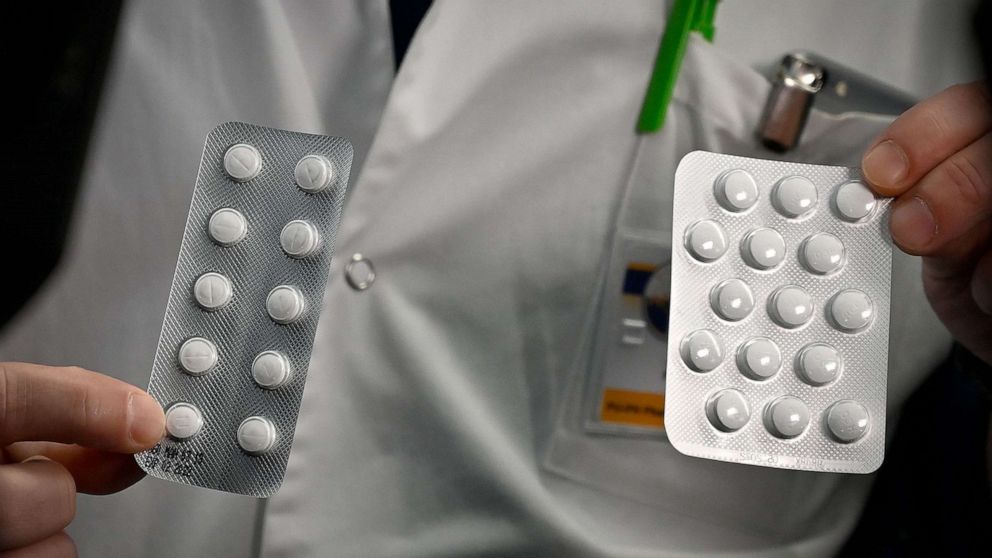
Officials are working out final details in plans to begin clinical trials next week for a malaria drug combination that appears to hold some promise for confronting the coronavirus pandemic.
New York state Health Department officials are making arrangements to determine what patients at which hospitals will be allowed to participate in trials with hydroxychloroquine, Zithromax and chloroquine, a senior official at the department with knowledge of the plan told ABC News. The bulk of the patients are expected to be in the New York City metro area because the region has the biggest cluster of cases.
"We’re in the midst of getting info from hospitals across the state to determine interest and number of patients," the official said. "Supplies will be going out by end of week."
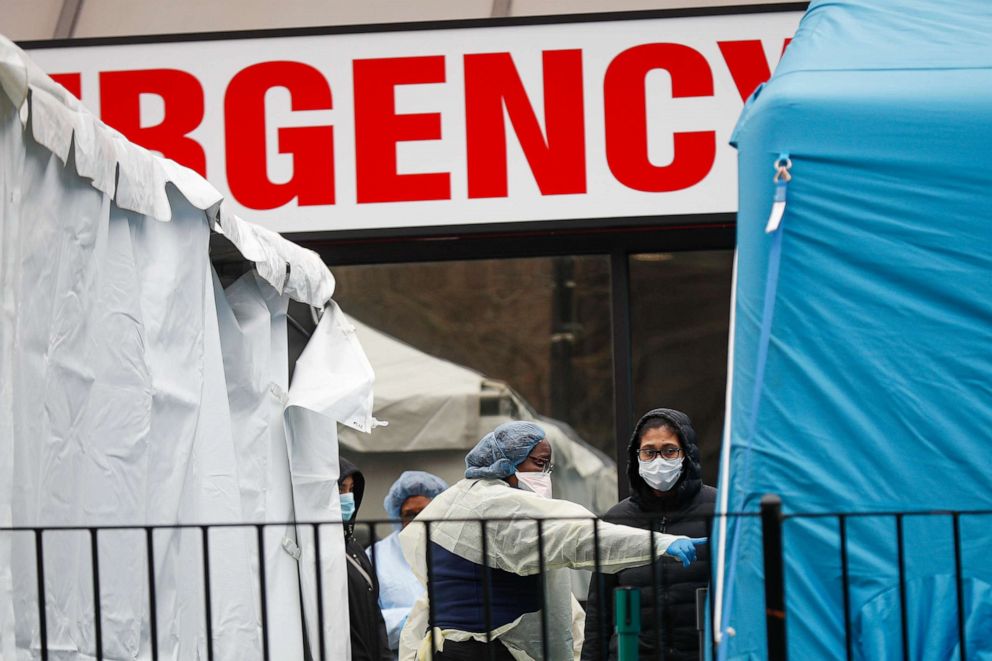
New York Gov. Andrew Cuomo announced earlier this week that he was eager to get the trials started. By Tuesday, the drugs were in New York and officials were working to identify who could participate.
The medications, originally developed to fight malaria, have raised hope among many that they could aid in treating coronavirus. The core of the medical therapy is chloroquine, closely related to hydroxychloroquine, which has been used to treat malaria since 1944. It can be given before exposure to malaria to prevent infection, and it can also be given as treatment afterward. It's also currently used to treat autoimmune diseases like lupus. Doctors are adding the antibiotic Zithromax to the cocktail.
Malaria is caused by a parasite, unlike COVID-19. But laboratory studies show chloroquine is effective at preventing as well as treating the virus that causes severe acute respiratory syndrome, or SARS, a close cousin of COVID-19.
The plan is for officials to find coronavirus patients with moderate and severe cases whose medical histories suggest they could benefit from the drugs.
Officials don’t expect to see critical patients going from grave conditions to full recovery instantly. "We’re looking to see much more subtle measurable outcomes, including lower viral loads, shorter duration of illness," the official said.
Both President Donald Trump and Cuomo have made no secret of their optimism for the drugs’ possibilities in treating coronavirus disease.
"It may work, it may not work," Trump said at a White House briefing. "I feel good about it." The president has called the anti-malarial drugs a potential "game changer" in the coronavirus fight.
At the same briefing last week, Dr. Anthony Fauci, the nation's top infectious disease expert, cautioned that there has only been "anecdotal evidence" that the drugs would be effective against the coronavirus. He said the lack of clinical trials, so far, meant "you really can't make a definitive statement about it."
New York now has 70,000 doses of hydroxychloroquine; 10,000 doses of Zithromax and 750,000 doses of chloroquine, officials have announced. Different patients will be given varying doses of the medications.
New York health officials are also working out standardization protocols so the trial results could be studied and applied elsewhere.