How couples can minimize conflict over COVID-19 safety as reopening begins
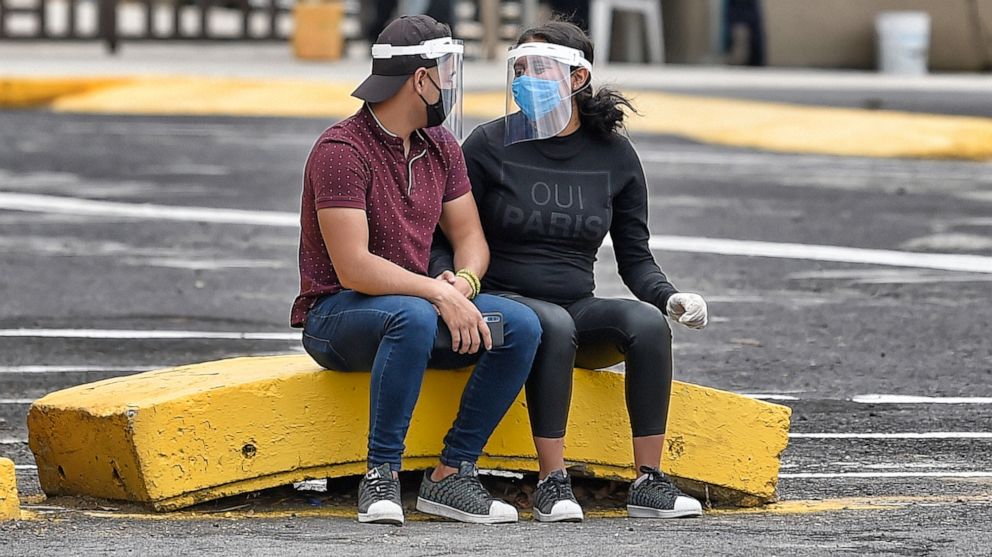
As states begin to gradually reopen, many of us are considering how to readjust to a new normal and what behaviors and activities we're comfortable with resuming.
Often, couples must work together to make these decisions, especially during a time where our own decisions can more seriously affect the health of people who are close to us. Coming to these decisions collectively can be especially challenging for couples and parents amid the pandemic if each person assesses risk differently.
Learning to approach these disagreements in a healthy way helps minimize conflicts and promotes a healthier relationship in the long run.
"There's a lot of unpredictability during this time, and there is a lot of room for people to have different views," said Paula Pietromonaco, Ph.D., a social psychology professor at the University of Massachusetts Amherst who studies how partner's emotional and physical health shapes interpersonal dynamics.
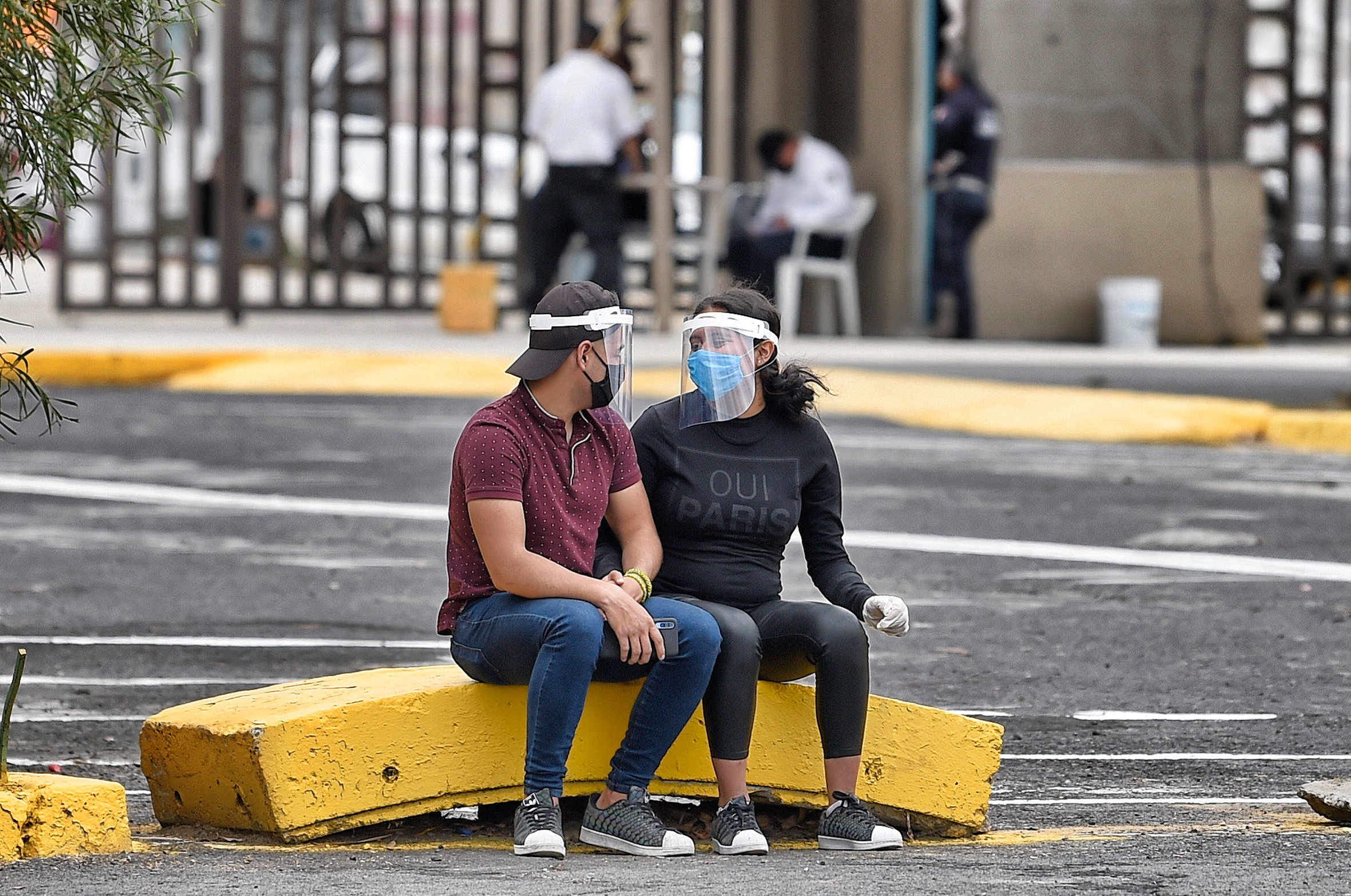
The first important step when raising an issue about what you think your family should do, Pietromonaco emphasized, is to start with what she called a "soft opening." She advises raising an issue in a way that "shows you want to communicate it, thinking about how we can negotiate without blaming a family member or partner."
This opening allows you and your partner to identify the origin of the conflict. Are you disagreeing about the size of the risk or how many risks you're willing to take?
Once you introduce your concerns and voice what actions would make you feel more comfortable and safe, Pietromonaco said it's essential to listen to your partner and understand their perspective.
Janine Domingues, Ph.D., a clinical psychologist at the Child Mind Institute, said that a part of that understanding is validating their emotions.
This can be as simple as identifying out loud your partner's emotions and opening up the potential for compromise by finding common ground, Domingues added.
But compromising often isn't that easy.
"People are concerned about getting sick, and some of these discussions may get pretty heated," said Pietromonaco. "Talking in a constructive way requires a lot of effort, cognitive and emotional resources, and it's a good idea to avoid having a discussion when either you or your partner is already depleted."
Domingues advised "having a designated time where there's no distractions. You don't have to necessarily come to a conclusion right there and there you can schedule another time to come back and have another discussion."
Pietromonaco noted how these disagreements may be even harder for couples who are also parents and must decide together what's best for the whole family. Should they visit grandparents? Are children allowed to see their friends or leave home for summer camp?
Emily Oster, Ph.D., a professor of economics at Brown University and author of multiple books on parenting and pregnancy, created a risk assessment framework for family decisions and parents around COVID-19, which she recently posted in her newsletter "ParentData."
She lays out a five step plan:
Once you determine precisely the issue at hand, you can consider alternatives and identify any holes in your thinking. Being specific about your question can also reveal any "mismatch in expectations," Oster wrote in her post.
According to Oster, it's best to then consider the safest way to do what you are considering. For example, are you considering sending the kids to camp? Will the activities be conducted outside and will the kids be taught to maintain social distance? Learning how to effectively mitigate risk also requires educating yourself on the latest information on COVID-19 from trusted public health sources. How does COVID-19 affect kids? What CDC guidelines have been put in place for daycares or camps? Has your chosen camp adopted these recommendations, and is the staff communicating these changes with parents?
Only then you can truly evaluate risks and benefits.

When considering the risk of infection, Oster told ABC News, "There are three pieces to that: There's the chance that I am infected, the chance that I get you infected and the chance of serious consequences."
Oster admitted this structured process won't resolve all uncertainty, and in some cases could actually amplify it.
"Having a framework at least lets you acknowledge where the answers are in the decisions you are making," she added. "The structure will reveal a lot of the uncertainty that was there anyway."
Once these decisions are made, parents must "present a united front," Pietramonaco said. Domingues also suggested involving children in an open dialogue, which allows them to voice their own concerns and wants, which are essential to maintaining a strong family unit.
"One of the No. 1 resilience factors is actually connection and attachment," she said.
Arguments may be inevitable, experts told ABC News, but tackling them transparently and constructively can have lasting benefits.
"Even though we're in a time of crisis," Pietromonaco added, "couples can still interact in ways that are respectful and constructive, and getting through this crisis might make their relationship stronger in the long run."
Eden David, who studied neuroscience at Columbia University and is matriculating to medical school later this year, is a contributor to the ABC News Medical Unit.